
Free Shipping Storwide

Orange Tree in a Pot

Transform Your Garden into a Personal Paradise!

Add Your Heading Text Here

Orange Tree in a Pot: Best Pots, Soil, Care & Feeding

Quick answer: Yes, you can grow an orange tree in a pot. The keys are a large container with excellent drainage, a free-draining potting mix, deep watering, and consistent feeding during active growth. Potted orange trees often perform extremely well because you can control sunlight, soil quality, and nutrition.

At a glance (best practice for potted orange trees):
  • Sun: 6โ€“8+ hours of direct sunlight daily
  • Pot size: start large and size up over time (drainage is mandatory)
  • Soil: free-draining mix designed for citrus or fruit trees
  • Water: deep watering, then allow the top layer to dry slightly
  • Feed: regular feeding from spring through early autumn

People often struggle with potted citrus because the tree dries out faster, nutrients leach faster, and roots can become crowded. Once you get pot size, drainage, and nutrition right, orange trees in pots can flower and fruit reliably.

519958396_18258689251303320_1048688245385922677_n (1)
517281700_18258689266303320_6235497568218820085_n (1)

Choosing the Best Pot and Soil for an Orange Tree

Selecting the right container and potting mix determines how well your orange tree grows long-term. In pots, citrus roots rely entirely on you for oxygen, moisture balance, and nutrient availability.

Best pot for an orange tree

The best pot for an orange tree is one that is large, stable, and drains freely. A heavy pot helps prevent the tree from blowing over when it becomes top-heavy. Multiple drainage holes are essential because citrus roots decline quickly in waterlogged conditions.

  • Size: Choose a pot that gives roots room to expand and holds moisture without staying wet for days.
  • Drainage: Multiple holes and no standing water underneath.
  • Stability: Heavier pots reduce tipping and root disturbance.

Best soil for orange trees in pots

Orange trees need a mix that holds some moisture but drains quickly and allows oxygen around roots. Avoid dense mixes that stay wet for long periods. A citrus or fruit tree potting mix is ideal, especially when combined with good drainage and correct watering.

If your potting mix compacts over time, watering becomes inconsistent and roots struggle. This often causes yellow leaves, leaf curl, slow growth, and poor fruiting.

Repotting and root management

Potted orange trees eventually become root-bound, which reduces water uptake and nutrient absorption. If the tree dries out too quickly, stops growing, or shows recurring nutrient stress despite feeding, it may be time to repot.

  • When to repot: Roots circling the pot, water running straight through, or slow growth in the growing season.
  • How often: Typically every 1โ€“3 years depending on tree size and pot volume.
  • After repotting: Keep watering stable and feed lightly until new growth resumes.

If you are growing a blood orange tree in a pot, the same container and soil rules apply. The biggest differences are climate suitability and fruiting season, not pot requirements.

476780697_18475741807058791_5110706967489815434_n (1)
448077377_759732072909750_4023706548464092198_n (1)

Watering and Feeding a Potted Orange Tree

Potted orange trees need a slightly different routine compared to in-ground trees. They dry out faster, nutrients leach faster, and small mistakes show up quickly. A consistent rhythm is more important than occasional heavy watering or heavy feeding.

How to water an orange tree in a pot

Water deeply until water drains from the bottom, then wait until the top layer of mix dries slightly before watering again. In hot weather, pots may need watering several times per week. In cooler periods, watering frequency drops significantly. Avoid leaving pots sitting in water, as this quickly damages citrus roots.

How to fertilise potted orange trees

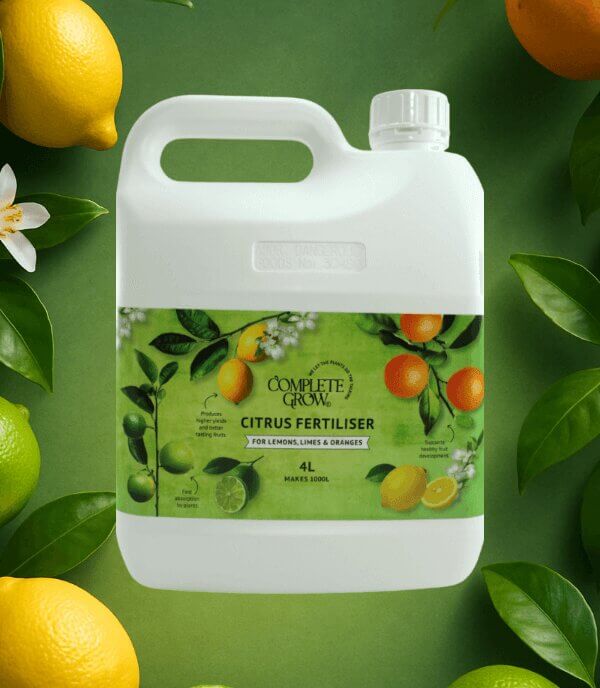
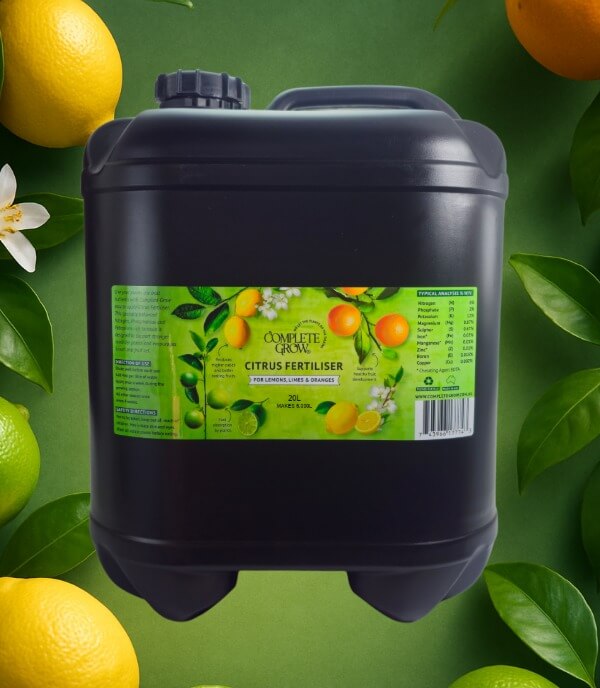
Because nutrients wash out of pots more quickly, potted orange trees benefit from smaller, regular feeds during active growth. For best fruiting performance, use a purpose-built citrus fertiliser that supports steady canopy growth early in the season while strongly supporting flowering and fruit development.

If your tree is carrying a heavy crop or you notice yellowing between leaf veins, magnesium demand may be high. In that situation, supplementing with a Cal-Mag fertiliser can help maintain leaf function and nutrient movement during fruit development.

Simple feeding rhythm for pots:
  • Spring to early autumn: regular feeding (small, consistent applications)
  • Late autumn: reduce feeding as growth slows
  • Winter: avoid feeding unless correcting clear deficiency symptoms

FAQ: Orange Trees in Pots

Can an orange tree grow in a pot long-term?
Yes. With a large pot, good drainage, repotting when needed, and consistent feeding, orange trees can grow and fruit in pots for many years.

What is the best orange tree for pots?
Dwarf and grafted varieties are usually the best choice because they stay manageable and fruit sooner than seed-grown trees.

Why does my potted orange tree drop leaves?
Most commonly due to watering stress, poor drainage, or nutrient leaching from the potting mix.

What is the best soil for orange trees in pots?
A free-draining citrus or fruit tree potting mix that holds moisture without staying wet for long periods.

Recommended Products

Cal-Mag Hydroponic Nutrients Fertiliser

Price range: $36.00 through $46.70
Sale!

The Grow Blog: News, Tips, & Stories

Cart (0 items)

No products in the cart.