
Orange Tree pruning
Transform Your Garden into a Personal Paradise!
Add Your Heading Text Here
Pruning Orange Trees: When to Prune and How to Do It Properly
Quick answer: Prune orange trees lightly and deliberately. Remove dead wood, crossing branches, weak inward growth, and vigorous water shoots. The best time to prune is after the main fruit harvest and before strong new growth begins, avoiding heavy pruning during extreme heat or cold.
- Dead, damaged, or diseased wood
- Water shoots (fast upright growth that steals energy)
- Crossing or rubbing branches
- Inward-growing shoots that block airflow and light
- Low, weak growth that drags fruit to the ground
Orange trees do not need aggressive pruning to fruit. Most problems come from either never pruning at all or pruning too hard. The goal is a balanced canopy that lets light into the tree, keeps airflow moving, and maintains strong fruiting wood.


How to Prune an Orange Tree (Simple, Reliable Method)
If you are wondering how to prune an orange tree without reducing fruit, focus on shaping and thinning rather than shortening every branch. Orange trees fruit on mature, healthy growth. Your aim is to keep productive wood while preventing overcrowding.
Step 1: Clean out dead wood and weak growth
Start by removing dead, damaged, or brittle branches and any weak, shaded growth inside the canopy. This immediately improves airflow and reduces disease pressure. Make clean cuts back to healthy wood.
Step 2: Remove water shoots and suckers
Water shoots are vigorous upright shoots that grow quickly and drain energy from flowering and fruiting. Remove them at the base while they are still soft if possible. Also remove suckers that grow from below the graft line, as they do not produce the desired fruit variety.
Step 3: Thin crossing branches and open the canopy
If branches cross or rub, remove the weaker one. Aim to open โwindowsโ in the canopy so sunlight can reach the interior leaves. This improves flowering, fruit set, and fruit quality because citrus requires good light for productive growth.
Step 4: Reduce height only when necessary
Only reduce height if the tree is too tall to manage or harvest safely. If you shorten height, cut back to a side branch rather than leaving stubs. Avoid removing more than a modest portion of the canopy in one session. Heavy pruning often triggers a flush of water shoots and delays fruiting.
Pruning mandarin orange trees follows the same principles as pruning other orange trees. The goal remains a light, open canopy with plenty of healthy fruiting wood.


When to Prune Orange Trees and What to Do After
When to prune orange trees depends on your local climate and the treeโs fruiting cycle. In general, prune after harvest so you avoid removing developing fruit and you give the tree time to recover before the next growth cycle. Avoid heavy pruning right before peak heat or when the tree is under stress.
- Best timing: after the main harvest and before strong spring growth
- Avoid: heavy pruning during heatwaves or cold snaps
- Light trimming: can be done any time to remove dead wood or water shoots
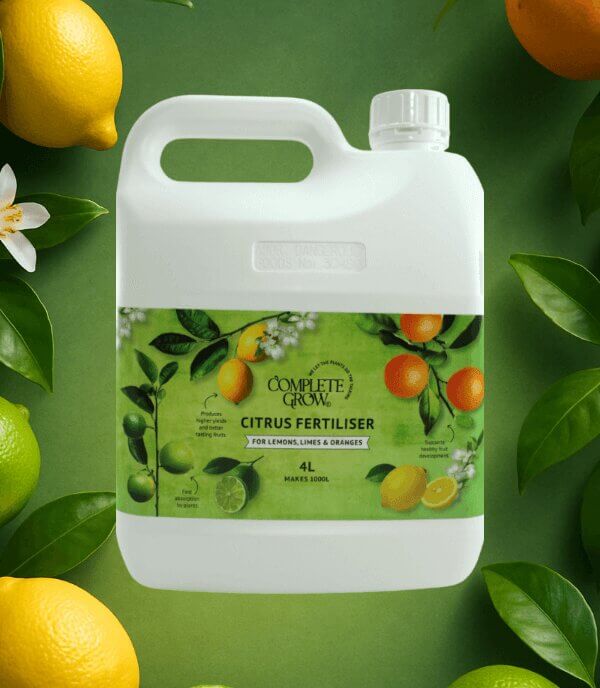
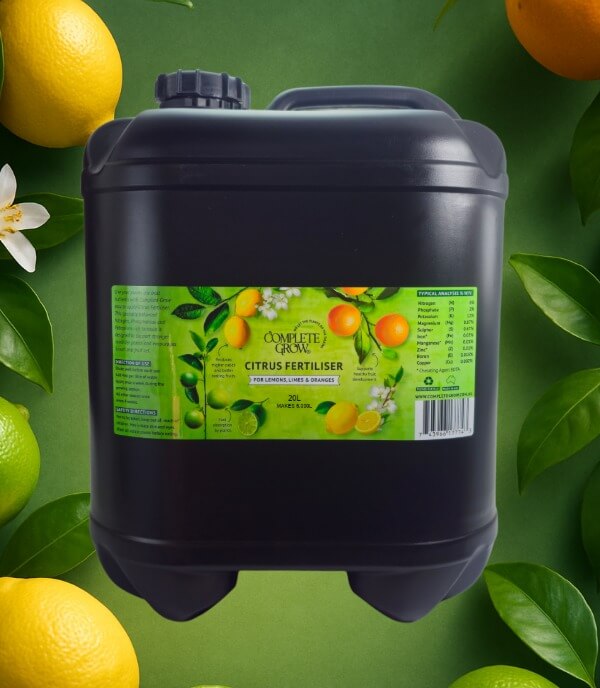
After pruning, stabilise the tree with consistent watering and steady nutrition during the growing season. A purpose-built citrus fertiliser supports healthy regrowth without pushing the tree into excessive leafy growth. If you prune hard by mistake, expect water shoots and slower fruiting for a season.
FAQ: Pruning Orange Trees
How do I prune an orange tree without reducing fruit?
Prune lightly, remove water shoots and crossing branches, and thin the canopy to improve light rather than shortening every branch.
When is the best time to prune an orange tree?
Usually after the main harvest and before strong spring growth, avoiding extreme heat or cold.
Should I prune orange trees every year?
Light annual pruning is ideal. It maintains shape and airflow without triggering excessive water shoots.
Can I prune a potted orange tree the same way?
Yes. The same principles apply, but keep the canopy proportionate to the pot size so the tree is easier to water and feed.
Orange Tree Guides Hub
How to Grow an Orange Tree
A complete orange tree care guide covering sunlight, soil, watering, planting, growing from seed, and what to expect as your tree matures.
Best Fertilizer for Orange Trees
Learn how often to fertilise orange trees, the best time to feed, and how correct NPK balance improves flowering, fruit set, and fruit quality.
Orange Tree Leaves Curling or Dropping: Causes & Fixes
A practical troubleshooting guide for curled leaves and sudden leaf drop, including watering stress, nutrition issues, heat, and root health.
Orange Tree Leaves Turning Yellow: Causes & How to Fix It
Understand why orange tree leaves go yellow, including nutrient deficiencies, watering problems, and fruiting stress, plus a clear fix plan.
Orange Tree Flowers but No Fruit: Causes & Fixes
Find out why orange trees flower but fail to set fruit, including nitrogen and potassium timing, water stress during bloom, and tree age.
Orange Tree in a Pot: Best Pots, Soil, Care & Feeding
Step-by-step guidance for growing oranges in containers, including best pot choice, best soil, watering rhythm, repotting, and feeding for fruiting.
Pruning Orange Trees: When to Prune and How to Do It
Learn when to prune orange trees, what branches to remove, and how to shape the canopy for better airflow, healthier growth, and fruiting.
Recommended Products
- Quick View
- Select options This product has multiple variants. The options may be chosen on the product page
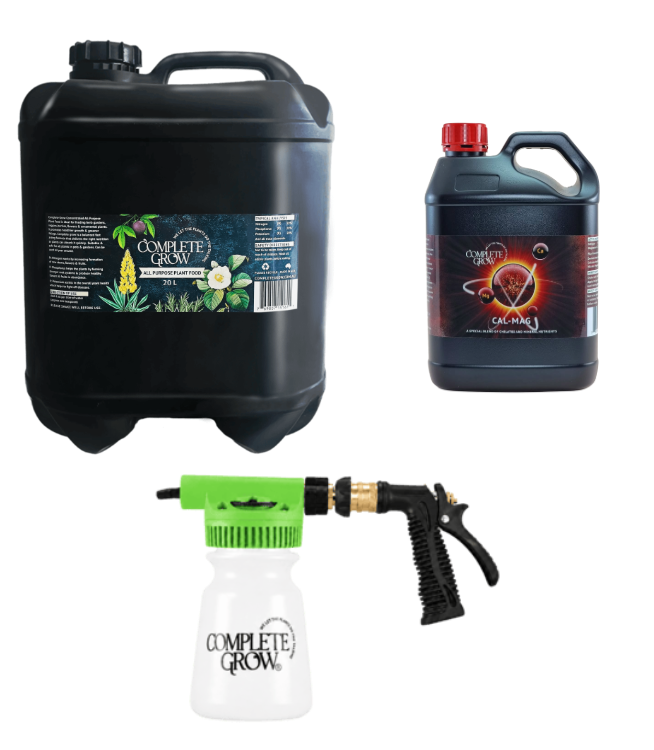
Cal-Mag Hydroponic Nutrients Fertiliser
- Quick View
- Select options This product has multiple variants. The options may be chosen on the product page