
syngonium
Transform Your Garden into a Personal Paradise!
Add Your Heading Text Here
Syngonium Plant Care Questions Answered (Complete Growing Guide)
Syngonium, also known as the Arrowhead Plant, is a fast-growing tropical aroid widely grown as an indoor plant. Because it adapts easily to pots, light variation, and pruning, it generates a large number of common care questions.
This guide answers the most searched questions about Syngonium growth, size, watering, light, propagation, toxicity, and long-term care.
How Big Do Syngoniums Get?
Indoors, most Syngonium plants grow between 30 cm and 90 cm tall when grown as a compact plant. When allowed to trail or climb, stems can extend 1.5 to 2 metres in length.
- Leaf size indoors: 8โ20 cm
- Climbing plants develop larger, lobed leaves
- Growth rate increases with light and feeding
Are Syngoniums Climbers?
Yes. Syngonium is a natural climber. In the wild it climbs trees using aerial roots. Indoors, it can be grown trailing or trained vertically on a moss pole for larger foliage.
How Much Light Do Syngoniums Need?
Syngonium grows best in bright, indirect light. It tolerates medium and low light but grows more slowly and produces smaller leaves.
- Bright indirect light = fastest growth
- Low light = slower growth, longer stems
- Direct sunlight can scorch leaves
How Often Should You Water Syngonium?
Water Syngonium when the top few centimetres of soil feel dry. Overwatering is a more common problem than underwatering.
- Average watering: every 7โ10 days
- Reduce frequency in winter
- Always allow excess water to drain
How to Make Syngonium Bushy
Syngonium becomes bushier through regular pruning. Cutting stems just above a node encourages branching.
- Prune leggy stems regularly
- Use cuttings to replant into the same pot
- Good light prevents stretched growth
Can Syngonium Grow in Water?
Yes. Syngonium can grow in water short to medium term. It will root easily in water, but long-term growth is slower unless nutrients are added.
- Change water regularly
- Use liquid nutrients if grown long-term
- Best growth still occurs in soil
How to Propagate Syngonium
Syngonium is extremely easy to propagate from cuttings.
- Cut below a node
- Place in water or soil
- Roots form in 2โ4 weeks
Pink Syngonium and Syngonium podophyllum propagate using the same method.
Is Syngonium Toxic?
Yes. Syngonium contains calcium oxalate crystals and is toxic to cats, dogs, and humans if ingested.
- Keep away from pets
- Wear gloves when pruning if sensitive
Frequently Asked Questions
Are Syngoniums easy to care for?
Yes. Syngonium is considered one of the easiest indoor plants to grow.
Why are my Syngonium leaves turning yellow?
Most often caused by overwatering or nutrient deficiency.
Do Syngoniums like humidity?
They prefer moderate humidity but adapt well to normal indoor air.
How do you pronounce Syngonium?
Pronounced: sin-GO-nee-um.
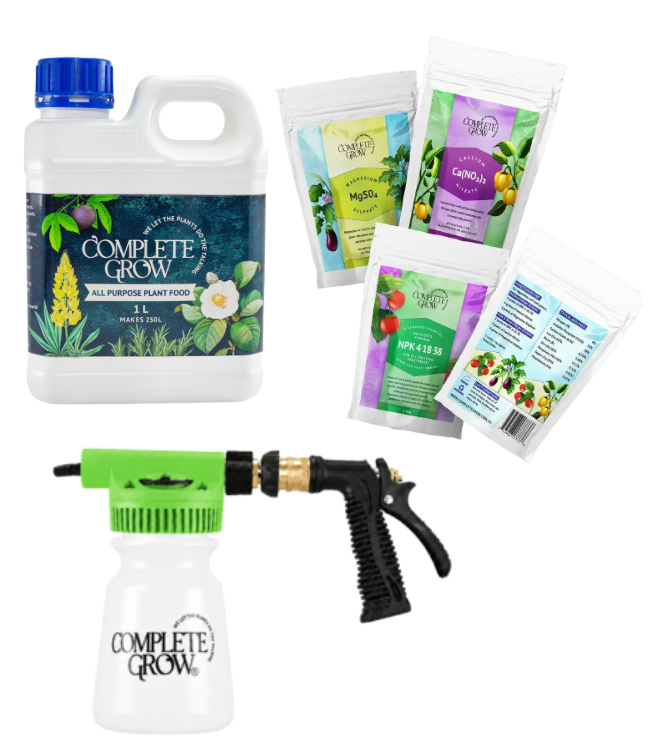
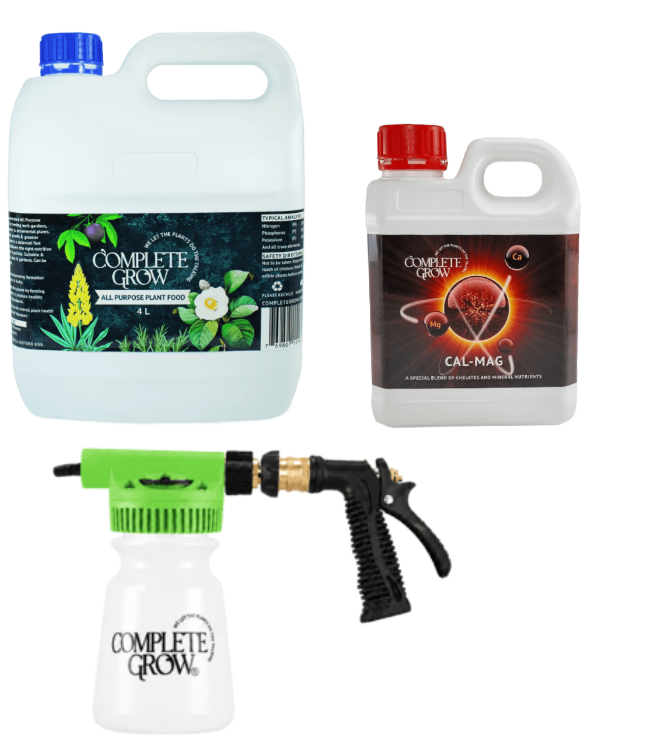
For faster growth and healthier foliage indoors, pair good care with a consistent indoor plant fertiliser designed for foliage plants.
Syngonium Care Guides Hub
Syngonium (Arrowhead Plant) Care Guide
Complete guide to growing Syngonium indoors, including light, watering, soil, pruning, growth habits, and long-term care.
Best Fertiliser for Syngonium
Which fertiliser works best for Syngonium, ideal NPK ratios, feeding frequency, and how to maximise indoor growth.
Syngonium Questions Answered
Answers to common Syngonium questions including size, watering, light needs, propagation, toxicity, and growth habits.
Syngonium Problems & Fixes
Brown or yellow leaves, curling, drooping, small leaves, and why Syngonium plants decline โ with clear fixes.
Recommended Products
- Quick View
- Select options This product has multiple variants. The options may be chosen on the product page