
Free Shipping Over $70

Free Shipping Limited Time Only

syngonium

Transform Your Garden into a Personal Paradise!

Add Your Heading Text Here

Syngonium Leaves Turning Brown, Yellow, Curling or Drooping (Fixing Common Problems)

If your Syngonium leaves are turning brown, yellowing, curling, drooping, or not unfurling, the cause is almost always a mismatch between indoor conditions and what the plant expects as a tropical aroid. The good news is that Syngonium is resilient and usually recovers quickly once the underlying issue is corrected.

Fast Diagnosis (Most Common Causes)

  • Brown tips or brown edges: inconsistent watering, dry air, salt buildup, or underwatering
  • Brown soft patches: overwatering, poor drainage, early root problems
  • Yellow leaves: overwatering, nutrient depletion, low light, or natural ageing of older leaves
  • Curling leaves: underwatering, heat stress, low humidity, or pests
  • Drooping leaves: dry soil, overwatering, sudden cold, or root stress
  • Leaves not unfurling: low humidity, inconsistent watering, or low light during active growth
  • Small leaves: low light and depleted nutrients, especially in older potting mix

If you want the complete baseline care settings for light, watering, and soil, use the full guide here: Syngonium (Arrowhead Plant) Care Guide.

475909187_18047132051222563_1428874060679597227_n (1)
491441462_17949784622971896_3476607238529148927_n (1)

Syngonium Leaves Turning Brown (Causes and Fixes)

Syngonium leaves turning brown usually points to moisture stress, salt buildup, or root issues. The location and texture of browning matters.

  • Brown tips: underwatering cycles, dry indoor air, or fertiliser salts accumulating in the pot
  • Brown edges: inconsistent watering or excessive salts in the soil
  • Brown soft patches: overwatering or poor drainage causing root stress

Fix: water consistently, ensure free drainage, and periodically flush the pot with clean water to reduce salt buildup. If soil stays wet for long periods, repot into a better-draining mix.

Syngonium Leaves Turning Yellow (Yellowing Leaves)

Syngonium yellow leaves are commonly caused by either excess moisture or depleted nutrition. Older leaves at the base may yellow naturally, but frequent yellowing across the plant signals a care issue.

  • Yellow + soft stems / soggy soil: overwatering or poor drainage
  • Yellow + slow growth + small new leaves: nutrient depletion, often combined with low light
  • Yellowing after moving locations: environmental change stress

Fix: allow the top layer of soil to dry slightly between waterings and ensure the pot drains freely. If growth has slowed and leaves are smaller or pale, nutrition is usually the missing piece in indoor pots.

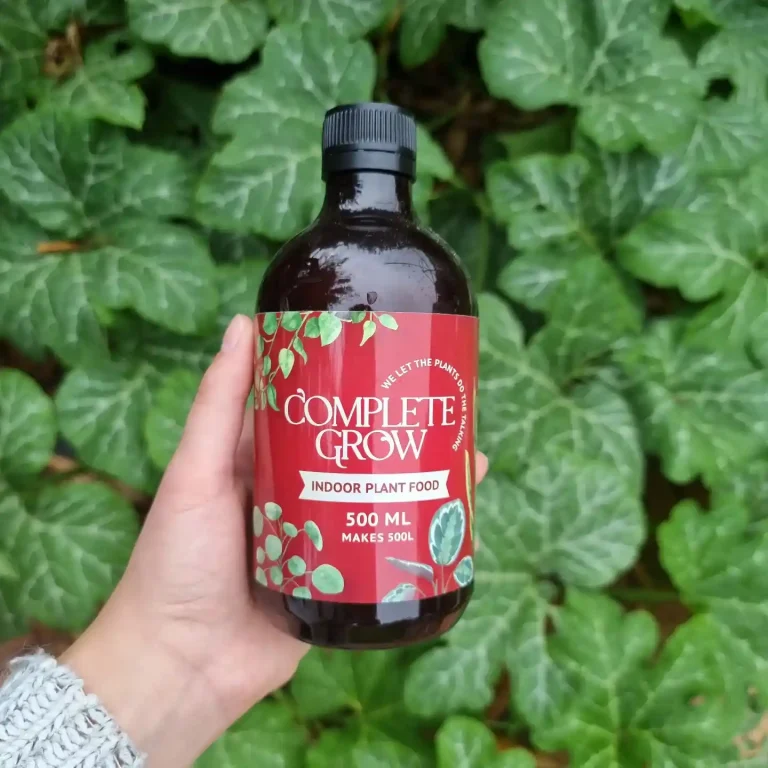
For indoor foliage plants, consistent feeding with a purpose-formulated Indoor Plant Food Fertiliser helps prevent chronic yellowing caused by nutrient depletion. Indoor formulas are designed for regular use in pots and support steady leaf growth.

Syngonium Leaves Curling

Syngonium leaves curling most often indicates the plant is conserving moisture, usually from dry soil, low humidity, heat, or pests.

  • Dry soil + curl: underwatering or pot drying too quickly
  • Hot window + curl: heat stress or excess direct sun
  • Curl + stippling or fine damage: possible mite or thrips pressure

Fix: re-establish consistent watering, move away from harsh direct sun, and check the undersides of leaves for pests. If pests are present, isolate the plant and treat promptly.

Syngonium Drooping Leaves

Syngonium leaves drooping can happen from both underwatering and overwatering. The difference is the soil condition.

  • Dry soil + droop: underwatering; plant usually perks up after a thorough water
  • Wet soil + droop: roots are stressed and not absorbing water properly

Fix: if dry, water deeply and drain. If wet, pause watering, increase airflow/light, and consider repotting if the mix stays wet for long periods.

Syngonium Leaves Not Unfurling

Syngonium leaves not unfurling is usually caused by low humidity, inconsistent watering, or growth slowing due to low light. New leaves can also stall when nutrients are depleted and the plant cannot support expansion.

Fix: keep moisture consistent, increase indirect light, and avoid letting the pot swing between very dry and very wet. Supporting growth with steady indoor nutrition can also help new leaves expand properly.

Syngonium Small Leaves (Why New Leaves Are Smaller)

Syngonium small leaves are one of the clearest signs of low light and/or depleted nutrients. This is especially common when the plant has been in the same potting mix for many months without consistent feeding.

Fix: increase bright, indirect light and provide consistent indoor nutrition. Syngonium responds quickly when the limiting factor is removed.

448144144_1241661410137257_1657515293385828124_n (1)
474841184_18046524788222563_2242440898385204106_n (1)

If Your Syngonium Is Dying: What to Check First

Searches like โ€œsyngonium dyingโ€ or โ€œwhy is my syngonium dyingโ€ almost always trace back to one of these indoor fundamentals. Use this checklist in order.

  • 1) Soil moisture: is it constantly wet, or drying out completely between waterings?
  • 2) Drainage: does the pot drain freely, or does water sit in the base?
  • 3) Light: is it in bright, indirect light, or stuck in low light?
  • 4) Roots: if symptoms persist, check for unhealthy roots and repot if needed
  • 5) Nutrition: if growth has stalled or leaves are pale/small, nutrients are likely depleted
  • 6) Pests: inspect leaf undersides for mites or thrips if curling and damage appear

For indoor plants, nutrient depletion happens silently and then shows up as yellowing, small leaves, and slow growth. A steady indoor feeding routine using indoor plant fertiliser helps keep growth consistent and reduces many โ€œmystery declineโ€ cases in pots.

Frequently Asked Questions

Why are my Syngonium leaves turning brown?

Most commonly from inconsistent watering, dry air, or salt buildup. If browning is soft and spreading, overwatering and poor drainage are more likely.

Why are my Syngonium leaves turning yellow?

Yellow leaves are usually caused by overwatering or depleted nutrients. If only older lower leaves yellow occasionally, it may be normal ageing.

Why are my Syngonium leaves curling?

Curling typically indicates moisture stress from dry soil, heat, low humidity, or pests. Check soil moisture first, then inspect leaves for damage.

Why is my Syngonium drooping?

Drooping happens from both underwatering and overwatering. Dry soil points to underwatering; wet soil suggests root stress and poor absorption.

Why are Syngonium leaves not unfurling?

This is usually caused by low humidity, inconsistent watering, or low light. Keep moisture steady and move to brighter indirect light.

Why does my Syngonium have small leaves?

Small new leaves are commonly caused by low light and depleted nutrients. Increasing bright indirect light and maintaining consistent feeding typically fixes it.

Recommended Products

Sale!

The Grow Blog: News, Tips, & Stories

Cart (0 items)

No products in the cart.