
Free shipping over $0
Free Shipping Limited Time

Olive tree

Transform Your Garden into a Personal Paradise!

Best NPK Fertiliser for Olive Trees in Australia

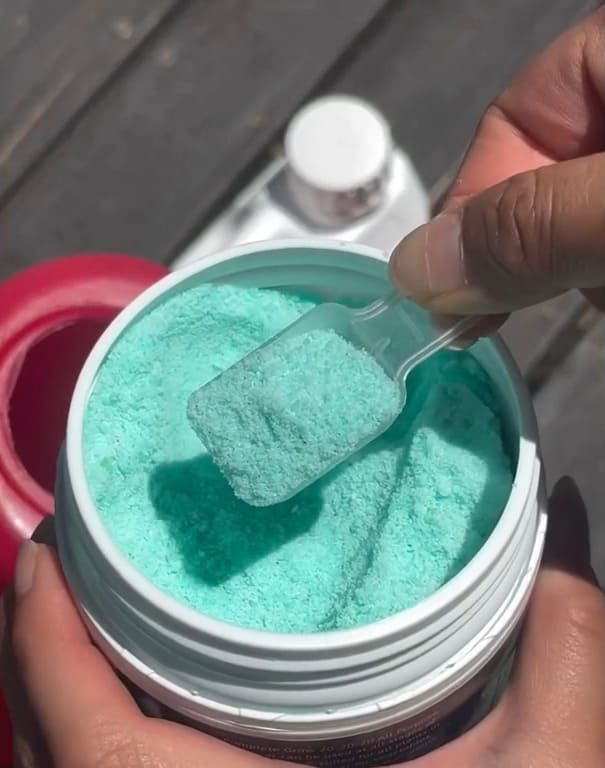
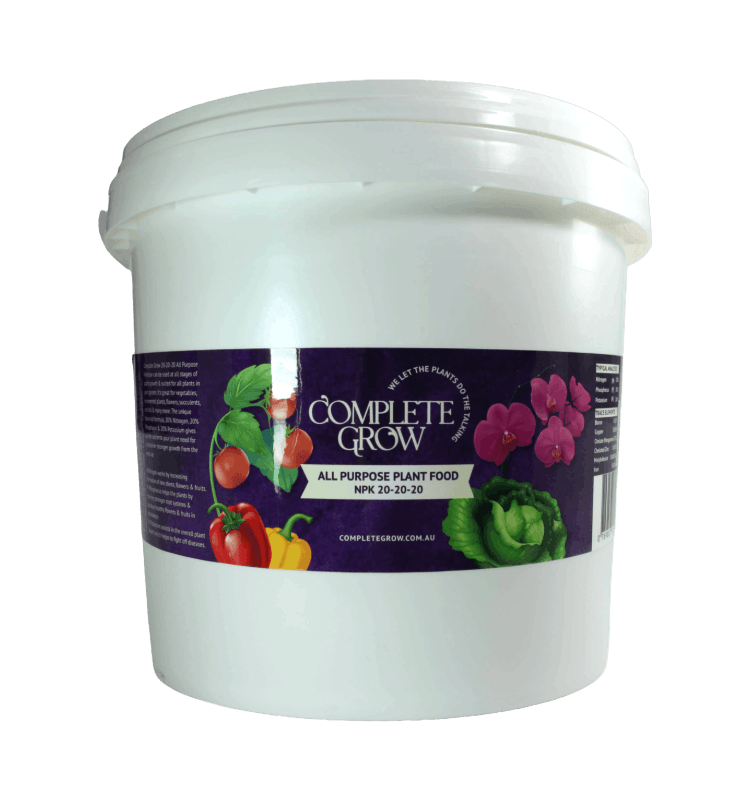
The best NPK fertiliser for olive trees is a balanced, high-strength, water-soluble formula such as NPK 20-20-20 with trace elements. When diluted correctly, balanced nutrition supports healthy foliage, strong roots, reliable flowering and better olive yield without overloading the tree with any one major nutrient. Whether your olive tree is growing in the ground or in a pot, it will perform best with consistent, balanced nutrition from spring to early autumn. A concentrated fertiliser can be adjusted for mature trees, young plants and potted olives, while boron, iron and magnesium support fruit set, rich green leaves and overall tree health.

Watch: Best Fertiliser for Olive Trees

Why Balanced NPK Nutrition Is Good for Olive Trees

Olive trees are hardy and drought tolerant, but they grow and crop more reliably when all three major nutrients are supplied in balance. A high-strength NPK 20-20-20 fertiliser provides nitrogen for healthy leaves, phosphorus for root development and flowering, and potassium for plant strength, fruit formation and yield. It is especially useful for potted olives and trees growing in sandy or nutrient-depleted Australian soils.
  • Balanced, high-strength NPK: A concentrated 20-20-20 formula supplies equal major nutrients and can be diluted to suit the tree’s size and growing conditions.
  • Micronutrients: Boron supports flowering and fruit set, while iron and magnesium help maintain healthy green foliage.
  • Flexible feeding: Water-soluble fertiliser gives fast, even uptake. Use a lighter dilution for young or potted trees and the recommended mature-tree rate for established olives in the ground.
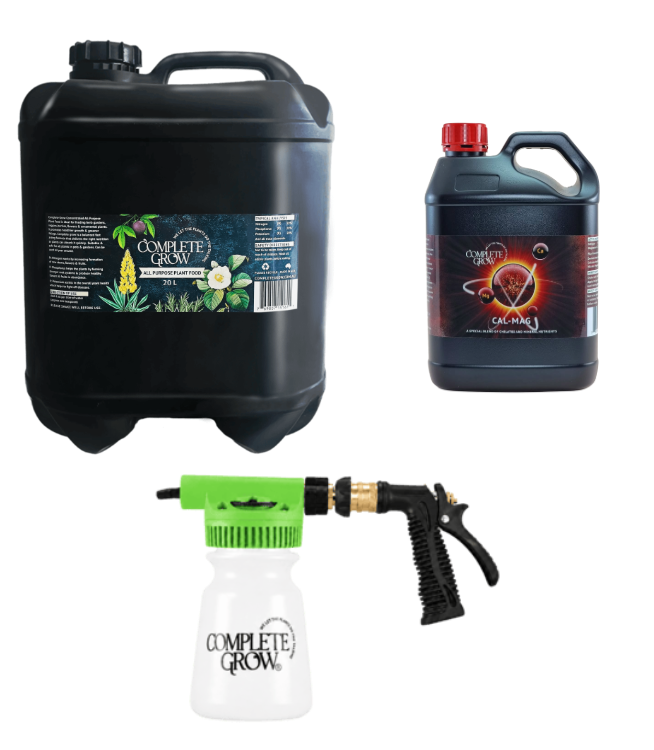
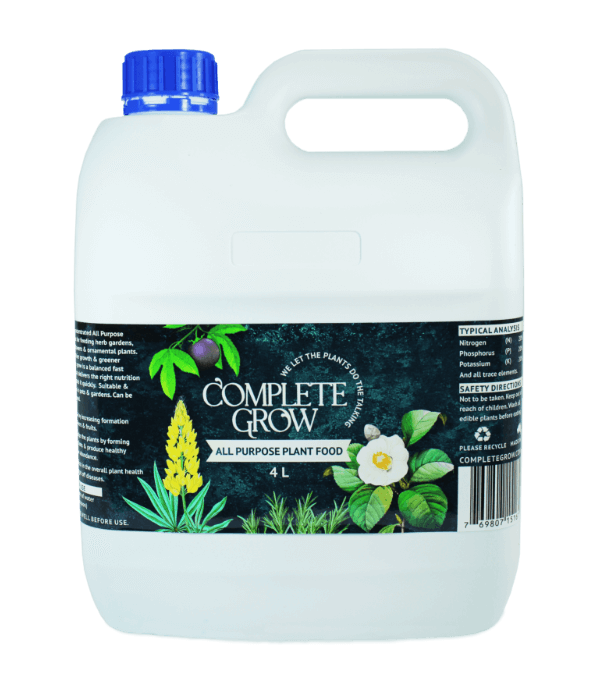
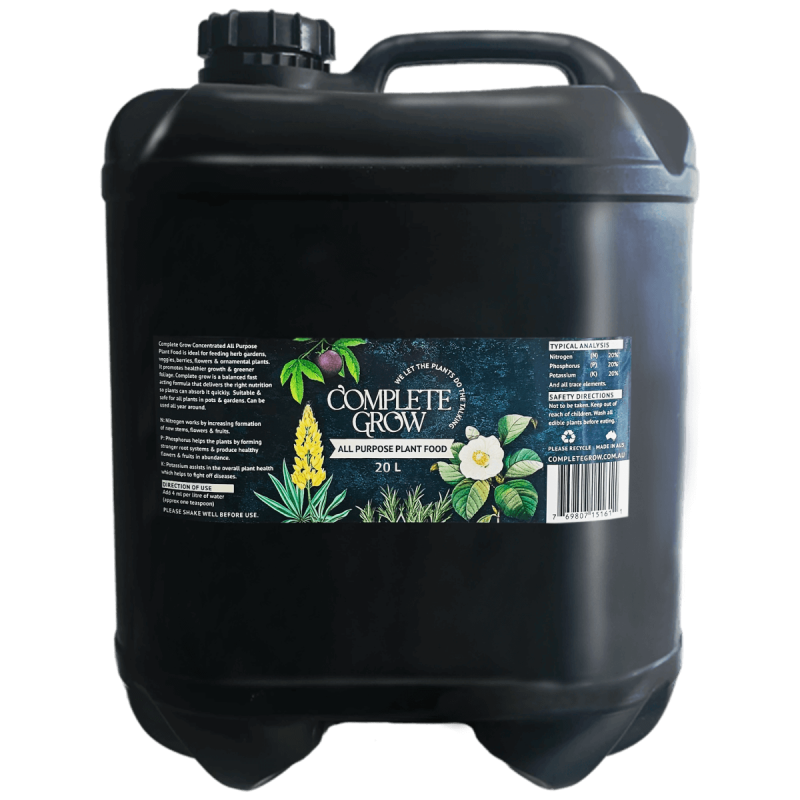
For consistent results, use Complete Grow NPK 20-20-20 with trace elements during the active growing season, always following the label rate and watering well after feeding.
john-cameron-RD0iQoLCkPo-unsplash
david-boca-ZKIWulcgeOA-unsplash

When and How to Fertilise Olive Trees in Australia

Feed olive trees while they are actively growing, from early spring through early autumn. Applying a balanced NPK fertiliser at the right time supports new leaves, flowering and fruit development; feeding during winter dormancy is usually unnecessary.

Olive Tree Fertiliser Calendar

  • Early spring: Start feeding when fresh growth appears to support roots and canopy development.
  • Late spring to early summer: Continue balanced feeding through flowering and early fruit set.
  • Late summer to early autumn: Apply the final feed while the tree is still actively growing, then allow it to harden before winter.
  • Winter: Pause routine fertilising while growth is slow or the tree is dormant.

How Much NPK 20-20-20 to Use

  • Potted olives and young trees: Mix 1 teaspoon per 5 litres of water. Apply to already-moist potting mix and ensure the container drains freely.
  • Established olive trees in the ground: Mix 3 teaspoons per 5 litres of water. Apply evenly around the active root zone beneath the canopy, not against the trunk.
  • After feeding: Water evenly and flush pots with clean water periodically to prevent fertiliser-salt build-up.

Always follow the product label and reduce the rate for heat-stressed, recently transplanted or slow-growing trees. Consistent, correctly diluted feeding is more effective than occasional heavy applications.

kris-sevinc-ymlEplh33DY-unsplash
melina-kiefer-bavD_RW9pTQ-unsplash

Signs Your Olive Tree Needs Fertiliser — and How to Fix It

Olive trees are resilient, but changes in leaf colour, growth and fruiting can reveal a nutrition or root-zone problem. Check watering, drainage and soil conditions first, then correct the feeding program if needed.

1. Yellowing Leaves

Pale or yellow leaves can be linked to low nitrogen, iron or magnesium, but overwatering and unsuitable soil pH can cause similar symptoms. Improve drainage where necessary and use a balanced NPK fertiliser with trace elements at the label rate.

2. Poor Flowering or Little Fruit

Balanced nutrition, including potassium and boron, supports flowering and fruit set. Feed from early spring, but also check the tree’s age, sunlight, pruning and pollination because fertiliser alone cannot correct every fruiting problem.

3. Sparse or Stunted Growth

Slow growth and a thin canopy may indicate low nutrition, compacted soil or inconsistent watering. Apply correctly diluted NPK 20-20-20 during active growth and keep the root zone evenly moist without waterlogging it.

4. Brown Leaf Tips on Potted Olives

Brown tips commonly point to fertiliser-salt build-up, dry potting mix or poor drainage. Flush the pot thoroughly with clean water, allow it to drain, then resume feeding at the lighter potted-tree rate. A steady program of balanced NPK 20-20-20 with trace elements supports greener foliage, stronger growth, dependable flowering and better yield. Avoid the temptation to apply extra concentrate—consistent dilution and timing produce healthier olive trees.

Recommended Products

Sale!
Sale!
Cart (0 items)

No products in the cart.