Boston Fern safe for pets?
Transform Your Garden into a Personal Paradise!
Add Your Heading Text Here
Pet-Friendly Indoor Plant Guide
Is Boston Fern Safe for Cats and Dogs?
A Pet-Safe Indoor Fern for Homes with Cats, Dogs and Curious Pets
Boston fern is considered safe for cats and dogs because it is listed as non-toxic to both pets by the ASPCA. This makes Boston fern one of the better indoor plant choices for pet-friendly homes, especially compared with many popular houseplants that can irritate or harm pets if chewed.
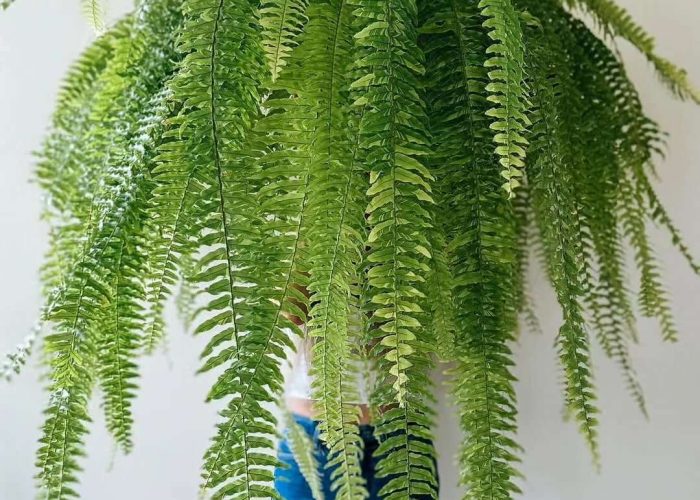
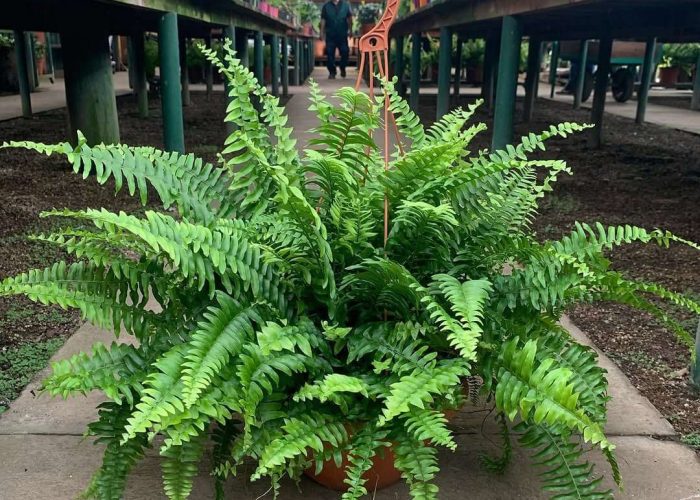
Boston fern, also known as Nephrolepis exaltata, is grown for its soft green fronds and full hanging-basket shape. While it is pet-safe from a toxicity point of view, it is still best to stop cats and dogs from chewing large amounts of any plant. Eating too much plant material can still cause mild stomach upset, even when the plant itself is not toxic.
Boston fern is non-toxic to cats and dogs.
Boston fern is a pet-friendly indoor plant and is listed as non-toxic to cats and dogs. It is a safer choice for homes with pets, but it should still be kept out of regular chewing range to prevent mess, damaged fronds or mild stomach upset from eating too much plant material.
Is Boston Fern Safe for Cats?
Yes, Boston fern is safe for cats from a toxicity point of view. This is one reason it is often recommended as a pet-friendly indoor plant. Cats are naturally curious and may paw at the soft fronds, especially when the plant is hanging or moving slightly in the air. The good news is that Boston fern is not considered poisonous to cats.
That does not mean cats should be encouraged to eat it. A cat that chews a large amount of Boston fern may still experience mild stomach upset simply from eating plant fibre. Chewing can also damage the fronds and make the plant look messy. If your cat is especially interested in the fern, place it in a hanging basket, on a high shelf, or in a room where the cat has less access.
Is Boston Fern Safe for Dogs?
Yes, Boston fern is safe for dogs and is considered non-toxic. This makes it a practical indoor plant for dog owners who want greenery without choosing a known toxic plant. It is especially useful in homes where dogs occasionally sniff, brush against or investigate indoor plants.
Dogs are less likely than cats to play with fern fronds, but puppies and curious dogs may still chew leaves. If a dog eats a lot of plant material, it may vomit or show mild digestive upset. This is not the same as plant poisoning, but it is still a reason to keep the plant in a sensible position and discourage chewing.
Is Boston Fern Safe for Pets Indoors?
Boston fern is a good indoor plant choice for pet owners because it combines soft decorative foliage with non-toxic pet safety. It works well in hanging baskets, plant stands, bathrooms, kitchens and bright indoor corners. Its long fronds create a full, relaxed look without the same toxicity concerns as plants such as peace lily, pothos, monstera or some succulents.
Pet-safe does not mean pet-proof. A Boston fern can still be damaged by chewing, digging or rough play. Cats may pull at the fronds, dogs may knock over pots, and both can make a mess if the plant is placed too low. The safest setup is to treat Boston fern as a non-toxic plant that should still be positioned thoughtfully.
- Use hanging baskets: This keeps fronds decorative while reducing chewing access.
- Choose stable pots: Avoid lightweight pots that pets can easily knock over.
- Keep soil covered: Decorative stones or a plant-safe top layer can reduce digging.
- Avoid chemical residue: Keep recently treated plants away from pets until leaves and soil are dry.
- Watch curious pets: Non-toxic plants can still cause mild digestive upset if eaten in large amounts.
What Happens if a Cat or Dog Eats Boston Fern?
If a cat or dog eats a small amount of Boston fern, serious poisoning is not expected because the plant is considered non-toxic. In most cases, a small nibble is more of a plant-care problem than a pet emergency. The fronds may look torn or uneven, but the pet is unlikely to be harmed by a small amount.
Larger amounts can still cause mild digestive upset because pets are not designed to eat large volumes of fibrous houseplant material. Possible signs may include mild vomiting, drooling, reduced appetite or softer stools. If symptoms are severe, repeated or unusual, contact a vet for advice.
Pet-Safe Boston Fern Care
Boston ferns grow best in bright indirect light, higher humidity and evenly moist potting mix. These conditions also help keep the plant fuller and healthier, which makes it less likely to shed dry fronds onto the floor where pets may investigate them. A stressed fern with crispy brown leaves may drop more leaflets and attract curious pets.
Water the fern when the top layer of potting mix begins to feel slightly dry, then let excess water drain away. Avoid leaving the pot sitting in water, especially if it is placed on the floor where pets can drink from the saucer. Stagnant saucer water is not ideal for pets or plant roots.
Fertiliser should also be used carefully in pet homes. For Boston fern, use CompleteGrow Indoor Plant Food Concentrate, an NPK 16-4-14 indoor plant fertiliser, during active growth. Apply it to the potting mix according to directions, let the plant drain, and keep pets away from freshly watered or fertilised pots until the area is clean and dry.
Boston Fern vs Other Indoor Plants for Pet Safety
Boston fern is a stronger choice for pet-friendly homes than many popular indoor plants. Some common houseplants can cause irritation or toxicity if chewed, while Boston fern is generally chosen because it is non-toxic to both cats and dogs. This makes it especially useful for pet owners who still want lush indoor greenery. Boston fern is also visually soft and works well in areas where pets and people share the same space. Its main care requirement is moisture and humidity, not isolation from pets due to toxicity. However, it still needs a practical position so cats do not shred the fronds and dogs do not knock over the pot.| Plant | Pet Safety | Best Use Indoors |
|---|---|---|
| Boston fern | Non-toxic to cats and dogs | Pet-friendly hanging baskets, bathrooms and bright indoor corners |
| Spider plant | Generally considered pet-friendly | Shelves, hanging baskets and easy-care indoor displays |
| Peace lily | Not ideal for pets if chewed | Best kept away from cats and dogs |
| Pothos | Not ideal for pets if chewed | Best placed out of pet reach |
Boston Fern Pet Safety FAQ
Is Boston fern safe for cats?
Yes. Boston fern is considered safe for cats and is listed as non-toxic. It is still best to stop cats from eating large amounts of the fronds.
Is Boston fern safe for dogs?
Yes. Boston fern is considered safe for dogs and is listed as non-toxic. Keep it positioned safely so dogs do not chew it or knock over the pot.
Is Boston fern toxic to pets?
No. Boston fern is not considered toxic to cats or dogs. However, eating too much plant material may still cause mild stomach upset.
What should I do if my cat eats Boston fern?
A small nibble is unlikely to cause poisoning. If your cat eats a large amount or shows vomiting, repeated drooling, appetite loss or unusual behaviour, contact a vet.
Can dogs chew Boston fern leaves?
Boston fern leaves are non-toxic, but dogs should not be encouraged to chew them. Eating plant material can still cause mild digestive upset or damage the plant.
Final Recommendation: A Pet-Friendly Indoor Fern
Boston fern is one of the better indoor plant choices for homes with cats and dogs because it is non-toxic and suitable for pet-friendly indoor spaces. Place it in bright indirect light, keep the potting mix evenly moist, and grow it in a hanging basket or stable pot where pets are less likely to chew or knock it over.To keep the plant healthy, feed during active growth with CompleteGrow Indoor Plant Food Concentrate, an NPK 16-4-14 indoor plant fertiliser suited to leafy indoor plants like Boston fern.
Recommended Products
- Quick View
- Select options This product has multiple variants. The options may be chosen on the product page
Indoor Plant Food Concentrate Fertiliser 100ml Makes 100 Litres
- Quick View
- Select options This product has multiple variants. The options may be chosen on the product page