
Boston Fern Care
Transform Your Garden into a Personal Paradise!
Add Your Heading Text Here
Indoor Plant Care Guide
Boston Fern Care: How to Grow a Full, Healthy Nephrolepis Boston Fern Indoors
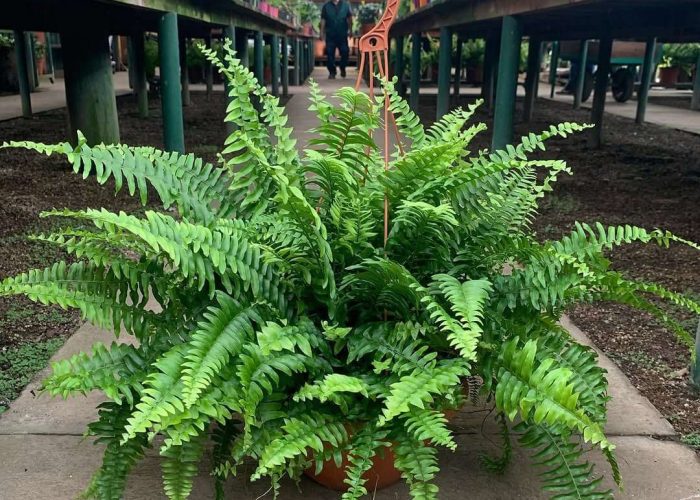
The Boston fern is a classic indoor foliage plant known for its long arching fronds, soft green texture and full hanging-basket shape. Also known as Nephrolepis exaltata, the Boston fern is popular in bright bathrooms, shaded patios, kitchens, plant shelves and indoor corners where the air is not too dry.
Boston ferns are not difficult when their basic needs are understood. They like bright indirect light, evenly moist potting mix, good drainage and higher humidity. Most Boston fern problems come from dry air, harsh sun, inconsistent watering or soil that stays too wet around the roots.
Boston Fern Indoor Care at a Glance
Keep a Boston fern in bright indirect light, water when the top layer of potting mix starts to feel slightly dry, maintain higher humidity where possible, and feed lightly during active growth. Avoid hot full sun, dry heater air, cold draughts and leaving the pot sitting in water.
Boston Fern Care Facts
Boston ferns grow best with bright filtered light, even moisture, higher humidity and gentle feeding. This at-a-glance care guide helps you understand what the plant needs before getting into the full growing instructions.
Light
Bright indirect light is best. Avoid strong afternoon sun through hot windows.
Water
Keep the potting mix lightly moist. Water well, then let extra water drain away.
Humidity
Prefers humid air. Bathrooms, kitchens and grouped plant areas usually suit it well.
Soil
Use a free-draining indoor potting mix that still holds gentle moisture.

Fertiliser
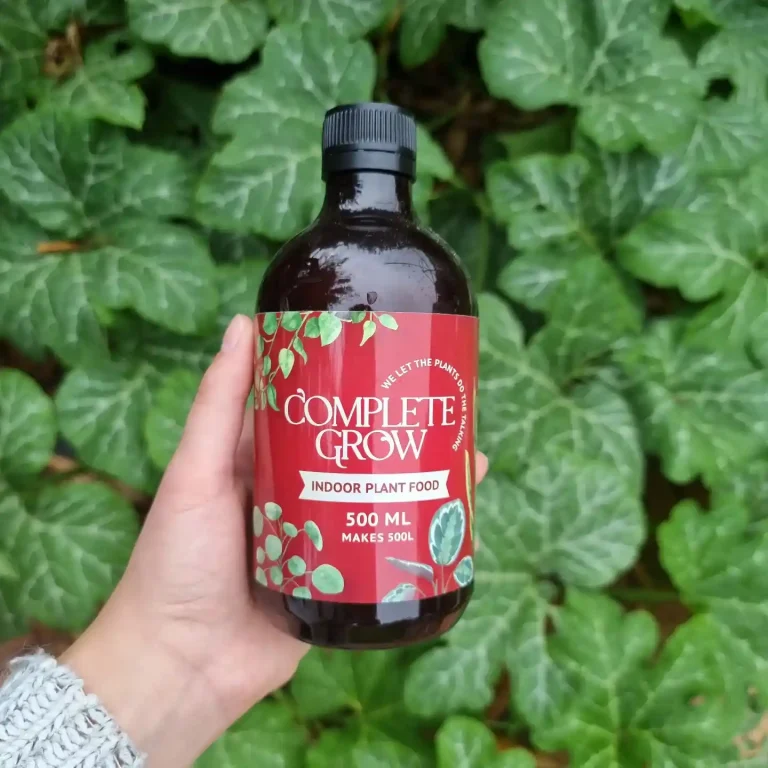
Feed during active growth with CompleteGrow Indoor Plant Food Concentrate, a NPK 16-4-14 indoor plant fertiliser made for steady foliage growth.
Placement
Keep it away from heaters, cold draughts, harsh windows and drying air movement.
Temperature
Prefers stable indoor warmth. Avoid cold rooms and sudden temperature swings.
Difficulty
Easy to moderate. The main challenge is keeping moisture and humidity consistent.
What Is a Boston Fern?
The Boston fern is a lush indoor fern grown for its long, arching fronds and soft green foliage. Its botanical name is Nephrolepis exaltata, and it is often sold as Boston fern, nephrolepis Boston fern or sword fern. Unlike many indoor plants that are grown for flowers, the Boston fern is valued for texture, volume and movement. A healthy plant can look full and fountain-like, making it ideal for hanging baskets, raised pots, shaded patios and indoor plant displays.
The plant grows from a central crown, sending out many narrow fronds made up of small leaflets. When the plant is happy, new fronds unfurl from the centre and gradually arch outward. This gives the Boston fern its soft, layered shape. When the plant is stressed, the fronds may turn brown, drop leaflets, become thin, or dry at the tips.
Boston fern care is mainly about balance. The plant likes moisture, but it does not like sitting in stale water. It likes bright rooms, but it does not like harsh full sun. It enjoys humidity, but it still needs airflow. Once those conditions are steady, the plant becomes much easier to manage indoors.
Boston Fern Light Requirements
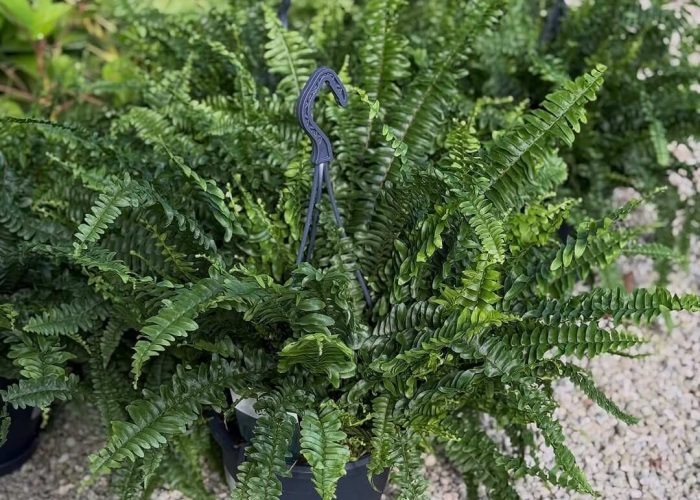
Boston ferns grow best in bright indirect light. Indoors, this usually means a bright room where the plant receives plenty of natural light without being exposed to hot direct sun for long periods. An east-facing window, a bright bathroom, a filtered window, or a spot near a sheer curtain can work well.
Direct afternoon sun can dry and scorch the fine fronds, especially through glass. If the plant is too close to a hot window, the leaflets may become pale, crispy or brown around the edges. On the other hand, a Boston fern kept in a dark corner may survive for a while, but it often becomes thin, slow-growing and uneven.
Does a Boston Fern Like Full Sun?
No. A Boston fern does not usually like full sun indoors. It grows best in bright indirect light. Hot direct sun can burn or dry the fronds, while very low light can make the plant weak and sparse.
How Often Should You Water a Boston Fern?
Water a Boston fern when the top layer of potting mix begins to feel slightly dry. The aim is to keep the mix evenly moist, not soaking wet. Water thoroughly until water drains from the bottom of the pot, then let the pot drain before returning it to a saucer or decorative cover pot.
The watering schedule will change depending on the room, season and pot size. A fern in a hanging basket may dry faster than one in a larger ceramic pot. A Boston fern in a warm bathroom may need water more often than one in a cooler room. During warmer months, the plant may use water faster as it produces new fronds. During cooler months, growth slows and the potting mix may stay moist for longer.
A simple way to check is to press your finger into the top few centimetres of the mix. If it feels lightly dry at the surface but still slightly cool underneath, it is usually time to water. If the mix is still wet, wait a little longer. If it is completely dry and pulling away from the pot edges, the fern has gone too dry and may start dropping leaflets.
Boston Fern Humidity Needs
Humidity is one of the biggest parts of Boston fern care. The plant has fine foliage that reacts quickly when indoor air is too dry. Air conditioning, heaters, fans and dry rooms can cause brown tips, crispy fronds and shedding leaflets. This is why Boston ferns often perform better in bathrooms, kitchens, laundries or grouped plant areas.
To improve humidity, place the Boston fern near other indoor plants, use a pebble tray, move it into a naturally humid room, or use a small humidifier nearby. Misting can make the plant look fresh for a short time, but it does not replace proper humidity. A Boston fern that constantly dries out will usually need a better position, not just occasional misting.
Best Soil for Boston Ferns
Boston ferns need a potting mix that holds gentle moisture while still draining well. A dense, heavy or compacted mix can hold too much water around the roots, leading to poor root health. A very dry, sandy or open mix may drain too quickly and leave the plant thirsty.
The best mix is a quality indoor potting mix with enough structure to let water move through the pot. The pot must have drainage holes. A Boston fern should never sit permanently in water at the bottom of a decorative cover pot. If water collects after watering, empty it out.
Planting Boston Ferns in Pots
When planting Boston ferns, choose a pot only slightly larger than the existing root ball. A pot that is far too large can stay wet for too long, especially indoors. This can create root stress even if the top of the pot looks fine. A modest pot size increase gives the plant room to grow without overwhelming the roots with too much wet mix.
Hanging baskets are a popular choice for Boston ferns because the fronds naturally arch downward. They look full and decorative when suspended, but hanging baskets can dry faster than standard pots. If your Boston fern is hanging near a window, fan or air conditioner, check the moisture more regularly.
After repotting, keep the fern in bright indirect light and avoid strong fertiliser for a short settling period. Trim any badly damaged fronds at the base, water thoroughly, and let the plant adjust. Fresh growth should appear from the centre when the plant is comfortable again.
Can Boston Ferns Grow Outdoors?
Boston ferns can grow outdoors in warm, sheltered and shaded positions. They are often used on patios, verandas and shaded garden areas where they are protected from harsh sun and drying wind. Outdoor Boston ferns still need consistent moisture, especially during hot weather.
In colder or exposed areas, Boston ferns are usually easier to manage indoors or in protected spots. If moving a Boston fern between indoors and outdoors, do it gradually. Sudden changes in light, temperature and wind exposure can stress the fronds.
How to Fertilise a Boston Fern
Boston ferns are foliage plants, so fertiliser should support steady green growth rather than heavy flowering. The best approach is light feeding during active growth. Strong or frequent fertiliser is not needed and can make problems worse if the plant is already dry, stressed or sitting in poor soil. Fertilise Boston ferns during the warmer growing season when new fronds are appearing. Reduce feeding during cooler months when growth slows. Always apply fertiliser to moist potting mix, not bone-dry soil. Dry roots are more sensitive, and feeding a dry fern can increase stress. For CompleteGrow, the best option for a Boston fern is CompleteGrow Indoor Plant Food Concentrate. It suits indoor foliage plants and can be used as part of a regular indoor plant care routine. For best results, combine it with bright indirect light, consistent watering, good drainage and humidity support.Best Fertiliser for Boston Fern
Use a gentle indoor plant fertiliser during active growth. CompleteGrow Indoor Plant Food Concentrate is the best CompleteGrow option for Boston fern because it is made for indoor foliage plants and supports healthy leaf growth when used correctly.
Pruning and Cleaning a Boston Fern
Pruning keeps a Boston fern looking fresh and helps the plant direct energy toward healthy new growth. Remove brown, dry or damaged fronds by cutting them close to the base. Avoid trimming only the tips of many fronds if the whole frond is already dry, as this can leave the plant looking uneven. It is usually better to remove badly damaged fronds cleanly. Light grooming can be done whenever needed. A larger tidy-up is best done during active growth, when the plant can replace older fronds more easily. If the fern has become thin after drying out, remove the worst fronds, improve the watering routine, increase humidity and wait for new growth from the centre.Common Boston Fern Problems
Brown Tips
Usually caused by dry air, inconsistent watering, direct sun or heat stress. Improve humidity and check the plant is not near heaters or harsh windows.
Yellow Fronds
Can come from overwatering, poor drainage, low light, ageing fronds or root stress. Check the potting mix before adding more water or fertiliser.
Leaflet Drop
Often happens after the fern dries out, moves to a new room, or sits in dry air. Stabilise moisture and humidity before making major changes.
Thin Growth
Usually linked to low light, irregular care or weak root conditions. Move to brighter indirect light and keep watering more consistent.
Boston Fern Seasonal Care
In spring and summer, Boston ferns usually grow more actively. This is the best time to water regularly, feed lightly, prune old fronds and repot if needed. New fronds should appear from the centre when the plant is receiving enough light and moisture. In autumn and winter, growth may slow. The plant may need less water and little to no fertiliser depending on indoor conditions. Keep it away from heaters, cold windows and dry draughts. Winter browning is often caused by dry indoor air rather than a lack of fertiliser.Boston Fern Care FAQ
Is Boston fern good for indoors?
Yes. Boston fern is a popular indoor plant when grown in bright indirect light with steady moisture and enough humidity.
How often should I water a Boston fern?
Water when the top layer of potting mix begins to feel slightly dry. Keep the mix lightly moist, but do not leave the pot sitting in water.
Why is my Boston fern turning brown?
Brown fronds are commonly caused by dry air, underwatering, harsh sun, heater exposure or sudden stress. Check humidity and watering first.
Can Boston fern grow in low light?
Boston fern can tolerate lower light for a while, but it grows best in bright indirect light. Very low light can cause thin and weak growth.
Should I mist my Boston fern?
Misting can help briefly, but it does not replace proper humidity. A humid room, grouped plants or a humidifier is usually more effective.
What is the best fertiliser for Boston fern?
A gentle indoor plant fertiliser is best. CompleteGrow Indoor Plant Food Concentrate is suitable for Boston fern during active growth.
Recommended CompleteGrow Product for Boston Fern
For Boston fern indoor care, use CompleteGrow Indoor Plant Food Concentrate during the active growing season. It is the best fit for indoor foliage plants that need steady leaf growth, healthy colour and gentle support in pots.Fertiliser works best when the plant is already in the right position. Keep your Boston fern in bright indirect light, maintain even moisture, improve humidity where possible and avoid harsh full sun or dry indoor air.
Recommended Products
- Quick View
- Select options This product has multiple variants. The options may be chosen on the product page
Indoor Plant Food Concentrate Fertiliser 100ml Makes 100 Litres
- Quick View
- Select options This product has multiple variants. The options may be chosen on the product page