birds nest fern Problems
Transform Your Garden into a Personal Paradise!
Add Your Heading Text Here
Indoor Fern Problem Guide
Bird’s Nest Fern Problems
Common Problems With Bird’s Nest Ferns Indoors and How to Fix Them
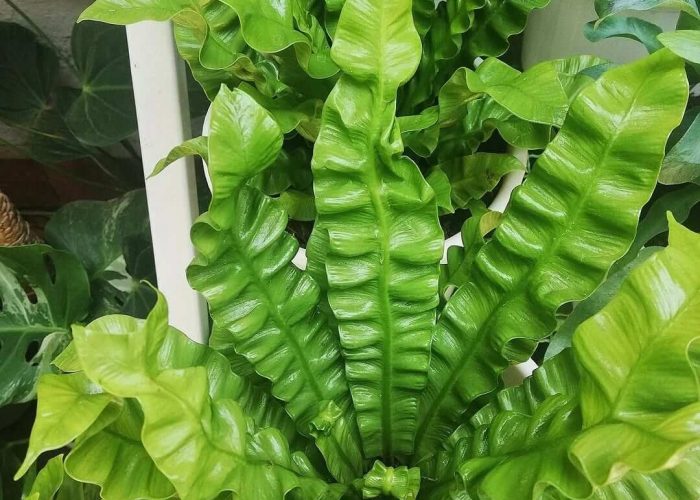
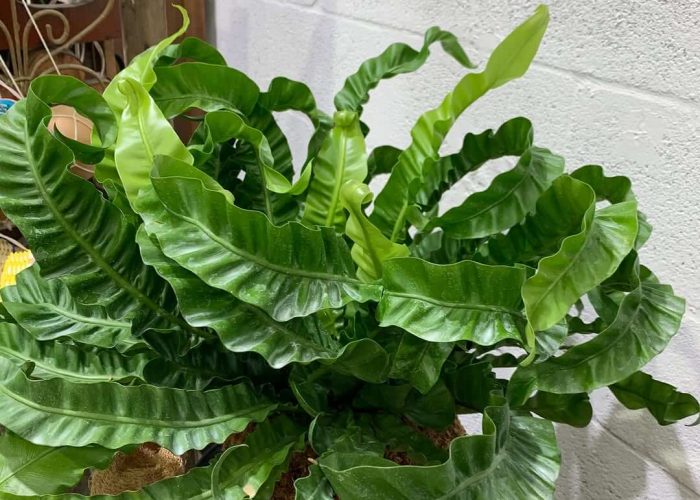
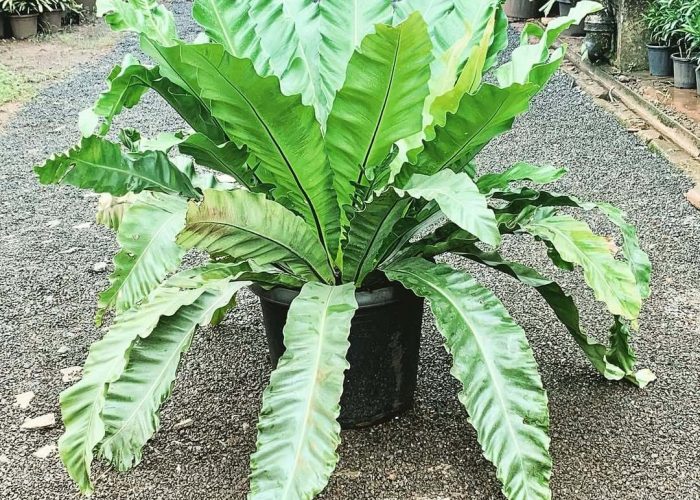
The most common bird’s nest fern problems are yellow leaves, brown tips, brown patches, drooping fronds, slow growth, root stress and crown rot. Most problems with bird’s nest ferns indoors come from watering mistakes, poor drainage, harsh direct sunlight, dry air or nutrient imbalance.
Bird’s nest ferns are generally easier than very delicate ferns, but they still need stable indoor care. The plant grows best in bright indirect light, lightly moist free-draining soil and moderate humidity. Problems often begin when the potting mix stays too wet, dries too much, or water sits inside the central crown where new fronds emerge.
Why Is My Bird’s Nest Fern Struggling?
A bird’s nest fern usually struggles because of overwatering, underwatering, poor drainage, harsh sun, dry indoor air or nutrient imbalance. Fix the watering routine, move the plant into bright indirect light, avoid water sitting in the crown, and feed lightly with NPK 16-4-14 indoor plant fertiliser during active growth.
Too much water can cause yellow leaves and root stress. Too little water can cause dry tips and drooping.
Harsh direct sun can scorch the broad fronds, while very low light can slow growth.
Low humidity can cause brown tips, dry edges and dull-looking foliage indoors.
Weak, pale or slow growth may need NPK 16-4-14 indoor plant fertiliser.
Most Common Problems With Bird’s Nest Ferns
Most problems with bird’s nest ferns show through the leaves first. Yellowing often points to overwatering, poor drainage or root stress. Brown tips usually suggest dry air, underwatering, fertiliser salt build-up or inconsistent watering. Brown patches can come from harsh sunlight, leaf damage or water sitting on the foliage for too long.
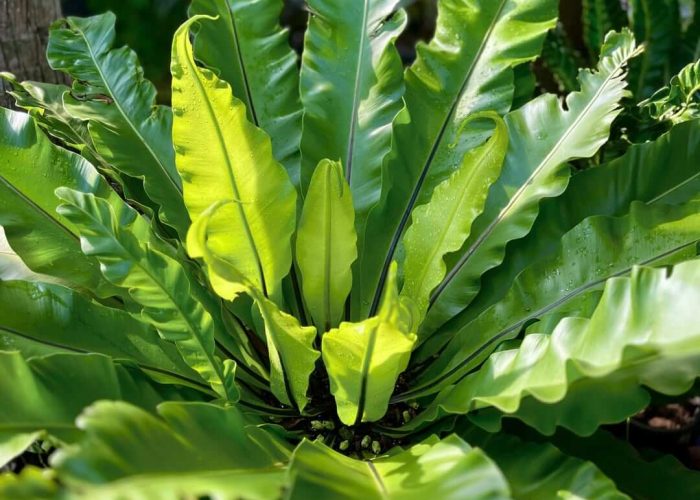
One problem that is especially important with bird’s nest ferns is crown rot. The plant grows from a central rosette, and new leaves emerge from the middle. If water sits in this centre for long periods, especially in cooler rooms or low light, the crown can soften, rot or stop producing healthy new growth.
Slow growth, pale leaves or weak fronds can also be caused by nutrient imbalance. Indoor plants in pots gradually lose nutrients through watering, so bird’s nest ferns may need light feeding during active growth. An NPK 16-4-14 indoor plant fertiliser helps support green fronds and steady foliage growth once watering and light are correct.
Bird’s Nest Fern Problem Diagnosis Table
Use the table below to match the symptom with the most likely cause. Bird’s nest fern problems can look similar, so always check the potting mix, light exposure and crown before changing the care routine.
| Problem | Likely Cause | How to Fix It |
|---|---|---|
| Yellow leaves | Overwatering, poor drainage, low light or root stress | Let the top layer dry slightly, improve drainage and move into bright indirect light. |
| Brown tips | Dry air, underwatering, salt build-up or inconsistent watering | Increase humidity, water evenly and avoid overfeeding. |
| Brown patches | Harsh direct sun, leaf damage or water sitting on leaves | Move away from direct sun and keep foliage drier in cool conditions. |
| Drooping fronds | Dry soil, root stress, waterlogged soil or sudden shock | Check soil moisture and roots, then stabilise watering. |
| Soft or rotting centre | Water sitting inside the central crown | Water the potting mix around the plant instead of filling the rosette. |
| Pale or slow growth | Low light, old potting mix or nutrient imbalance | Improve light and feed lightly with NPK 16-4-14 indoor plant fertiliser during active growth. |
Yellow Leaves on Bird’s Nest Fern
Yellow leaves are one of the most common bird’s nest fern problems indoors. They are usually caused by overwatering, poor drainage or low light. When the potting mix stays wet for too long, the roots struggle to breathe, and the leaves may turn yellow, soft or weak.
To fix yellow leaves, check the soil before watering again. If the mix is still wet, wait longer before watering. Make sure the pot has drainage holes and remove any water sitting in a saucer or decorative cover pot. If the plant is in a dark corner, move it into brighter indirect light so it can use water more efficiently.
Brown Tips and Brown Patches on Bird’s Nest Fern
Brown tips are often caused by dry indoor air, underwatering, inconsistent watering or fertiliser salt build-up. Bird’s nest ferns prefer moderate humidity, so dry rooms, heaters and air conditioners can cause the tips to dry out.
Brown patches are different. They are more often caused by harsh direct sun, physical leaf damage or water sitting on the fronds. If the brown patches appear on the side facing a window, direct sun is likely the issue. Move the plant into filtered light and avoid hot glass exposure.
Crown Rot in Bird’s Nest Fern
Crown rot is one of the most serious bird’s nest fern problems. It happens when the centre of the plant stays wet for too long. Since new fronds grow from the central crown, damage in this area can affect the whole plant.
To prevent crown rot, water the potting mix around the base of the plant rather than pouring water into the centre. This is especially important in cooler weather, low light or rooms with poor airflow. If the centre becomes soft, dark or mushy, reduce watering immediately and improve airflow around the plant.
Fixing Nutrient Imbalance in Bird’s Nest Fern
Nutrient imbalance can contribute to pale leaves, slow growth, weak fronds and poor recovery in bird’s nest ferns. This is common when the plant has been growing in the same potting mix for a long time or has not been fed during active growth.
To support healthier foliage, use CompleteGrow Indoor Plant Food Concentrate, an NPK 16-4-14 indoor plant fertiliser suited to leafy indoor plants like bird’s nest fern. The nitrogen supports fresh green fronds, while potassium helps steady indoor growth and overall plant strength.
Apply lightly during spring and summer while the plant is actively growing. Do not overfeed a stressed, waterlogged or low-light plant. Fix watering, drainage and light first, then use fertiliser to support healthy new growth.
How to Fix Bird’s Nest Fern Problems Indoors
- Move the plant into bright indirect light.
- Water only when the top layer of potting mix begins to dry.
- Water the soil around the plant, not the central crown.
- Make sure the pot has proper drainage holes.
- Empty any saucers or cover pots after watering.
- Keep the plant away from heaters, air conditioners and harsh direct sun.
- Feed lightly with NPK 16-4-14 indoor plant fertiliser during active growth if growth is pale or slow.
- Trim badly damaged yellow or brown fronds close to the base.
Bird’s Nest Fern Problems FAQ
What are the most common bird’s nest fern problems?
The most common problems are yellow leaves, brown tips, brown patches, drooping fronds, crown rot, root stress and slow growth.
Why are my bird’s nest fern leaves turning yellow?
Yellow leaves are usually caused by overwatering, poor drainage, low light or root stress. Check the soil before watering again.
Why does my bird’s nest fern have brown tips?
Brown tips are usually caused by dry air, underwatering, inconsistent watering, fertiliser salt build-up or low humidity.
Why is the centre of my bird’s nest fern rotting?
The centre may rot if water sits in the crown for too long. Water the potting mix around the plant instead of pouring water into the rosette.
Can nutrient imbalance cause bird’s nest fern problems?
Yes. Nutrient imbalance can cause pale leaves, weak fronds, slow growth and poor recovery. Use NPK 16-4-14 indoor plant fertiliser during active growth once care conditions are stable.
How do you fix problems with bird’s nest ferns indoors?
Fix the basics first: bright indirect light, free-draining soil, careful watering, moderate humidity and light feeding during active growth.
Recommended Products
- Quick View
- Select options This product has multiple variants. The options may be chosen on the product page
Indoor Plant Food Concentrate Fertiliser 100ml Makes 100 Litres
- Quick View
- Select options This product has multiple variants. The options may be chosen on the product page