
birds nest fern
Transform Your Garden into a Personal Paradise!
Add Your Heading Text Here
Indoor Fern Care Guide
Bird’s Nest Fern Care
How to Grow a Healthy Asplenium Bird’s Nest Fern Indoors
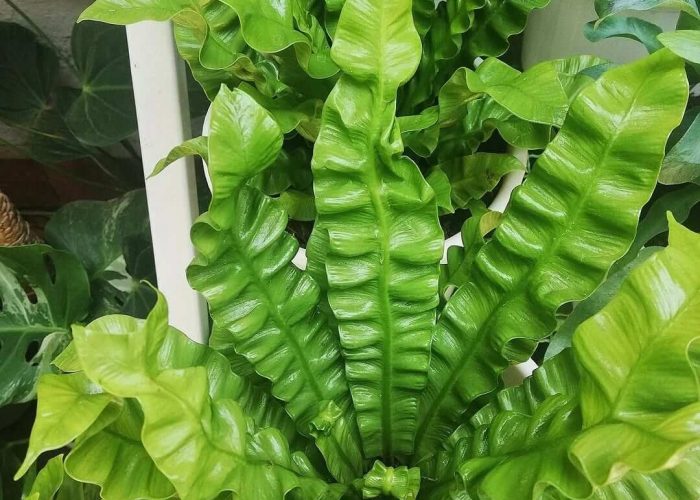
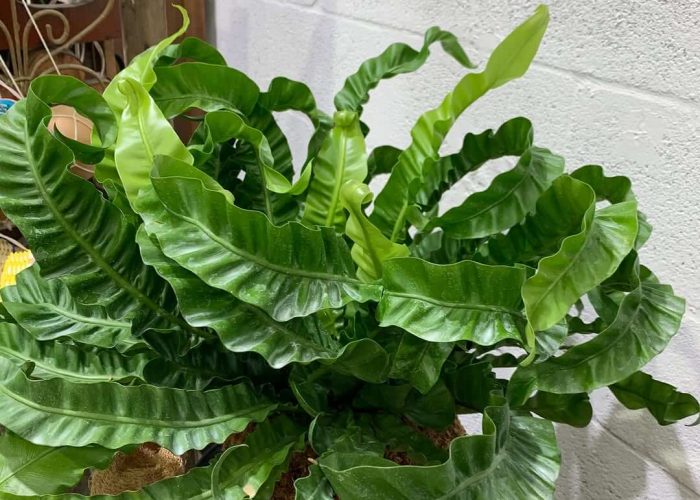
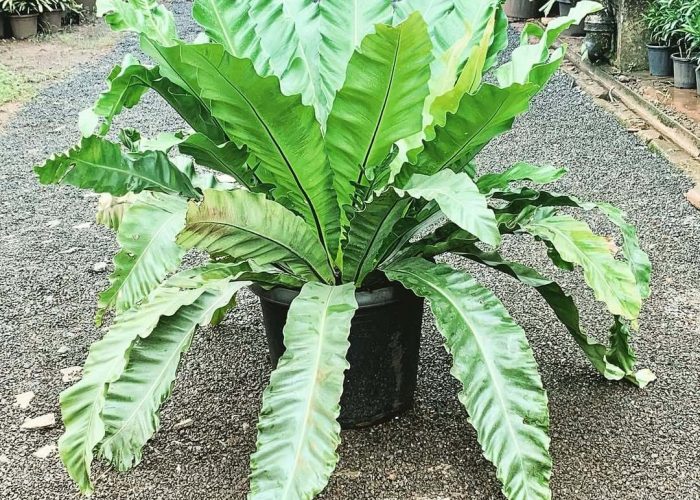
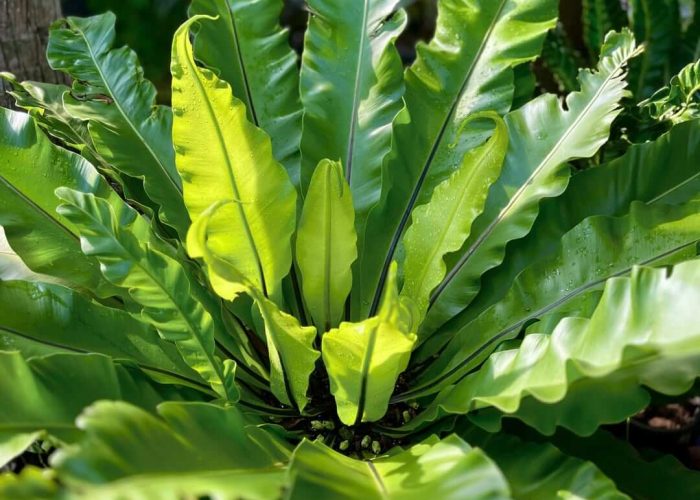
Bird’s nest fern care is easiest when the plant has bright indirect light, lightly moist soil, good drainage, moderate humidity and gentle feeding during active growth. Also known as Asplenium or Asplenium nidus, the bird’s nest fern is grown for its wide, glossy green fronds that rise from a central rosette.
Bird’s nest ferns are popular indoor plants in Australia because they handle indoor conditions better than many delicate ferns. They still need the right balance of light, water and air movement. The main things to avoid are harsh direct sun, soggy soil, very dry air and water sitting inside the centre of the plant.
How Do You Care for a Bird’s Nest Fern?
Care for a bird’s nest fern by keeping it in bright indirect light, watering when the top layer of potting mix begins to dry, maintaining moderate humidity, using free-draining soil, and feeding lightly with NPK 16-4-14 indoor plant fertiliser during active growth.
Bright indirect light is best. Avoid harsh direct sun, which can scorch the broad fronds.
Water the soil when the top layer starts to dry. Avoid soggy soil and a wet crown.
Moderate humidity helps keep the fronds smooth, glossy and green indoors.
Use NPK 16-4-14 indoor plant fertiliser during active growth for healthy foliage.
Step-by-Step Bird’s Nest Fern Care
- Choose the right position: Place the plant in bright indirect light, away from harsh afternoon sun and hot windows.
- Water the potting mix, not the crown: Keep the soil lightly moist, but avoid pouring water into the central rosette.
- Use free-draining soil: A light indoor potting mix helps prevent waterlogged roots.
- Maintain humidity: Bathrooms, kitchens and grouped plant areas are useful if indoor air is dry.
- Feed during active growth: Use NPK 16-4-14 indoor plant fertiliser lightly in spring and summer.
- Remove damaged fronds: Trim yellow, brown or badly damaged leaves close to the base with clean scissors.
What Is a Bird’s Nest Fern?
Bird’s nest fern is a tropical fern from the Asplenium group, commonly grown indoors for its bold, upright fronds and nest-like centre. Its leaves are usually broad, glossy and slightly wavy, giving the plant a clean architectural shape compared with finer ferns such as maidenhair fern or Boston fern.
The plant naturally grows in warm, sheltered and humid environments, often where it receives filtered light rather than direct sun. Indoors, it suits bathrooms, kitchens, shaded patios and bright living spaces where the air is not too dry.
One important feature of bird’s nest fern is its central crown. New fronds emerge from this middle rosette, so water should not be left sitting there for long periods. Watering the potting mix around the plant is safer than filling the centre.
Bird’s Nest Fern Light Requirements
Bird’s nest fern grows best in bright indirect light. This means a naturally bright room where sunlight is filtered before reaching the leaves. A position near a sheer curtain, frosted window, bright bathroom or shaded patio can work well.
Harsh direct sun can scorch the broad fronds and leave pale, dry or brown patches. Low light is tolerated better than with some delicate ferns, but very dark rooms are not ideal. In low light, growth slows and the potting mix may stay wet for longer, which can increase the risk of root stress.
| Care Area | Best Condition | What to Avoid |
|---|---|---|
| Light | Bright indirect light or filtered morning light | Harsh afternoon sun and hot glass |
| Water | Lightly moist soil with free drainage | Soggy soil or water sitting in the centre crown |
| Humidity | Moderate to high humidity | Dry heater or air-conditioner airflow |
| Soil | Loose indoor potting mix that drains well | Heavy, compacted or constantly wet soil |
| Fertiliser | NPK 16-4-14 indoor plant fertiliser during active growth | Heavy feeding, especially in low light or winter |
How Often Should You Water a Bird’s Nest Fern?
Water a bird’s nest fern when the top layer of potting mix begins to feel slightly dry. The soil should stay lightly moist, but not wet and stagnant. This fern likes moisture, but it does not like roots sitting in heavy, waterlogged soil.
The safest method is to water around the base of the plant and into the potting mix rather than into the centre of the rosette. If water collects inside the crown, especially in cooler rooms or low light, the plant may become more vulnerable to crown rot.
- Check the top layer of potting mix before watering.
- Water thoroughly when the surface begins to dry.
- Let excess water drain away completely.
- Do not leave the pot sitting in a saucer of water.
- Avoid pouring water directly into the central crown.
Best Soil and Pot for Bird’s Nest Fern
Bird’s nest ferns need a potting mix that holds some moisture but still drains freely. A standard indoor potting mix can work if it does not become compacted or stay wet for too long. The pot should always have drainage holes so excess water can escape.
Avoid very dense soil, oversized pots and decorative cover pots that hold water at the bottom. Too much trapped moisture can stress the roots and cause yellowing, browning or slow growth. If using a cover pot, remove the plant after watering or empty any collected water.
Bird’s Nest Fern Humidity and Indoor Placement
Bird’s nest fern prefers moderate to high humidity. It often grows well in bathrooms, kitchens, laundries and sheltered indoor spaces where the air is not too dry. In very dry rooms, leaf tips may brown or new fronds may appear less smooth.
Keep the plant away from heaters, fireplaces, air conditioners and strong fans. Gentle airflow is fine, but constant dry airflow can damage the leaves. If your home is dry, group the fern with other indoor plants or use a humidifier nearby.
Best Fertiliser for Bird’s Nest Fern
Bird’s nest ferns benefit from light feeding during active growth, especially when grown indoors in pots where nutrients gradually wash out through watering. The aim is to support strong green fronds, healthy colour and steady foliage growth.
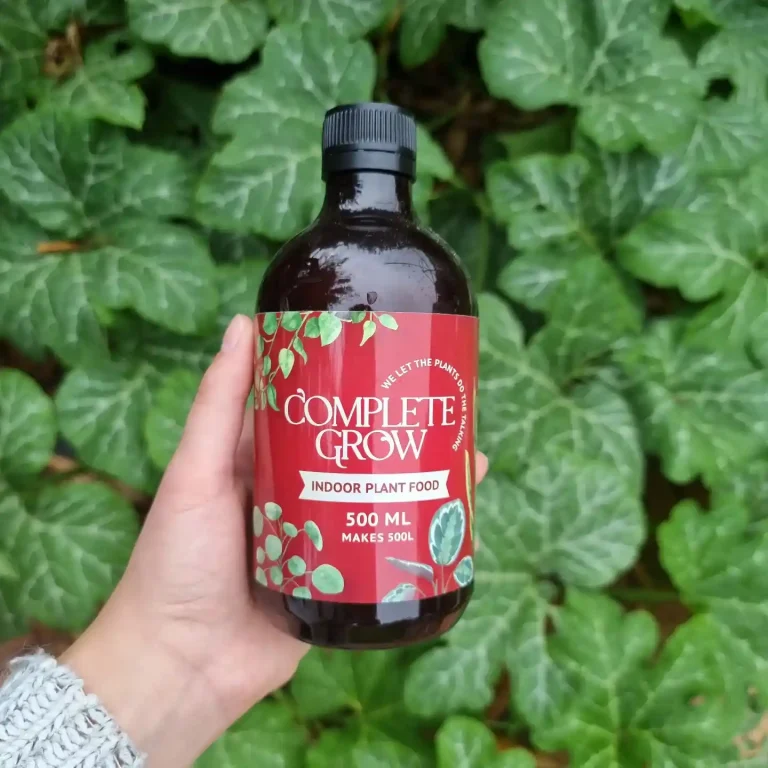
The best fertiliser for bird’s nest fern is CompleteGrow Indoor Plant Food Concentrate, an NPK 16-4-14 indoor plant fertiliser suited to leafy indoor plants. The higher nitrogen supports fresh green foliage, while potassium helps maintain stronger indoor growth.
Apply lightly during spring and summer when the plant is actively growing. Avoid overfeeding, avoid applying fertiliser directly into the central rosette, and do not feed heavily when the plant is stressed, waterlogged or growing in low light.
Common Bird’s Nest Fern Problems
Most bird’s nest fern problems come from watering, light or humidity issues. Brown tips usually point to dry air, underwatering or salts. Yellow leaves often suggest overwatering, poor drainage or root stress. Pale or weak growth can be linked to low light or nutrient imbalance.
- Brown tips: Often caused by dry air, underwatering or fertiliser salts.
- Yellow leaves: Often caused by overwatering, poor drainage or low light.
- Brown patches: Often caused by harsh direct sun or leaf damage.
- Rotting centre: Usually caused by water sitting in the central crown.
- Slow growth: Can be caused by low light, old potting mix or lack of nutrients.
Bird’s Nest Fern Care FAQ
Is bird’s nest fern easy to care for?
Yes. Bird’s nest fern is generally easy to care for indoors when grown in bright indirect light, lightly moist soil, good drainage and moderate humidity.
Does bird’s nest fern need sunlight?
Bird’s nest fern needs light, but not harsh direct sun. Bright indirect light is best for strong green frond growth.
How often should I water bird’s nest fern?
Water when the top layer of potting mix begins to feel slightly dry. Keep the soil lightly moist, but avoid soggy conditions.
Should I water the centre of a bird’s nest fern?
No. It is better to water the potting mix around the plant. Avoid leaving water sitting inside the central rosette.
What is the best fertiliser for bird’s nest fern?
The best fertiliser for bird’s nest fern is an NPK 16-4-14 indoor plant fertiliser that supports healthy green fronds and steady foliage growth.
Can bird’s nest fern grow outside in Australia?
Yes, it can grow outside in warm, shaded and sheltered positions in suitable climates. Protect it from harsh sun, cold exposure and drying wind.
Recommended Products
- Quick View
- Select options This product has multiple variants. The options may be chosen on the product page
Indoor Plant Food Concentrate Fertiliser 100ml Makes 100 Litres
- Quick View
- Select options This product has multiple variants. The options may be chosen on the product page