

bermuda grass

Transform Your Garden into a Personal Paradise!

Add Your Heading Text Here

Best Fertilizer for Bermuda Grass: A Complete Guide

Bermuda grass is one of the most popular warm-season grasses for lawns and sports fields due to its drought tolerance, dense growth, and vibrant green color. Choosing the right fertilizer is crucial for maintaining a healthy Bermuda lawn year-round. This guide breaks down the best fertilization strategies, types of fertilizers, and seasonal recommendations to ensure your Bermuda grass thrives.

1. Understanding Bermuda Grass Fertilizer Needs

Bermuda grass requires a nutrient-rich diet with a focus on nitrogen for lush growth. While nitrogen promotes green foliage and rapid recovery from wear, phosphorus and potassium play supporting roles in root development and stress tolerance. Typically, a fertilizer with an NPK ratio like 20-10-10 or 15-5-15 is ideal for Bermuda grass. When selecting fertilizer, consider whether you want granular or liquid forms. Granular fertilizers are slow-release and reduce the risk of burning your lawn, while liquid fertilizers offer faster results and can be applied during peak growing seasons. Regular fertilization every 6โ€“8 weeks during spring and summer ensures maximum color and density.

2. Best Fertilizer Types and Application Tips

For Bermuda grass, nitrogen-focused fertilizers are key. Both synthetic and organic options can work, but for fast greening and recovery, high-nitrogen formulations are preferred. Consider these approaches:

  • Slow-Release Granular Fertilizer: Provides consistent nutrients over several weeks, ideal for busy homeowners or large lawns.
  • Liquid Fertilizer: Quickly delivers nutrients for instant green-up, especially after mowing or during high-growth periods.
  • Weed + Fertilizer Combo: Some products combine nitrogen-rich feed with pre-emergent weed control, saving time and promoting uniform lawn health.
Proper application rates are essential: generally, 1 lb of nitrogen per 1,000 sq. ft. per month during active growth. Avoid over-fertilizing as this can cause excessive thatch and stress the grass. Water the lawn lightly after fertilization to help nutrients penetrate the soil and prevent burning.

3. Seasonal Fertilization Schedule and Maintenance

Maintaining Bermuda grass requires adapting fertilization to the seasons:

  • Spring: Begin fertilization as grass breaks dormancy. Use a balanced NPK fertilizer to encourage root development and early growth.
  • Summer: Focus on nitrogen-rich fertilizers every 6โ€“8 weeks to maintain a deep green color and vigorous growth.
  • Fall: Gradually reduce nitrogen and increase potassium to strengthen roots and prepare the lawn for cooler weather.
  • Winter: Minimal or no fertilization is needed while the grass enters dormancy.
Regular mowing, proper watering, and aeration complement fertilization for a lush Bermuda lawn. Following a structured schedule improves resilience, color, and overall health.

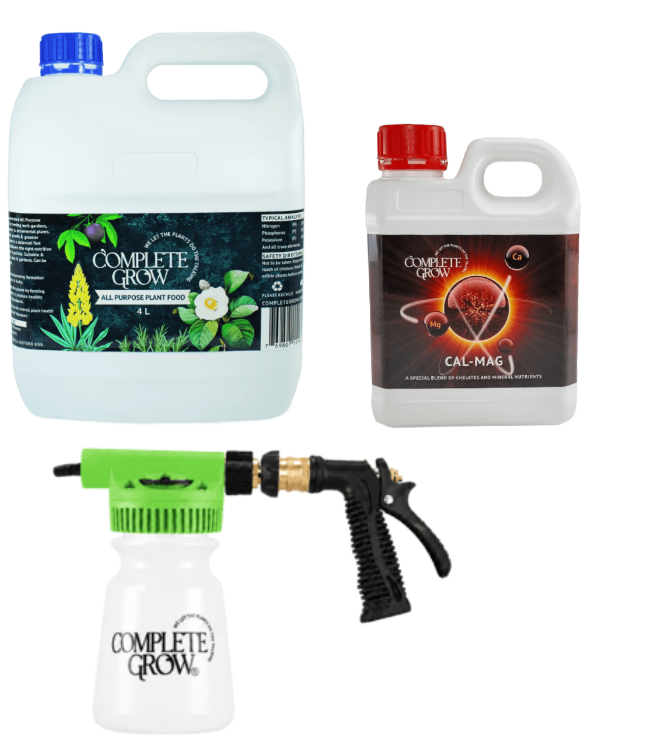
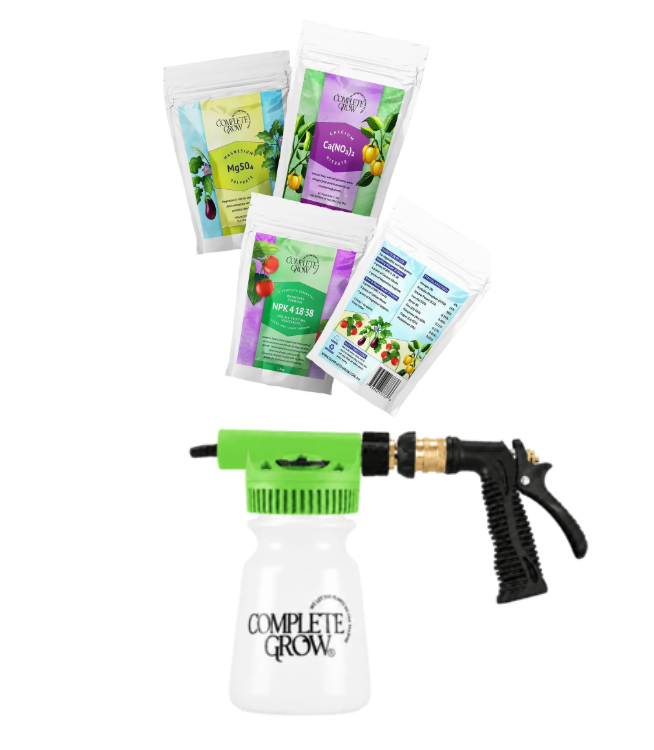
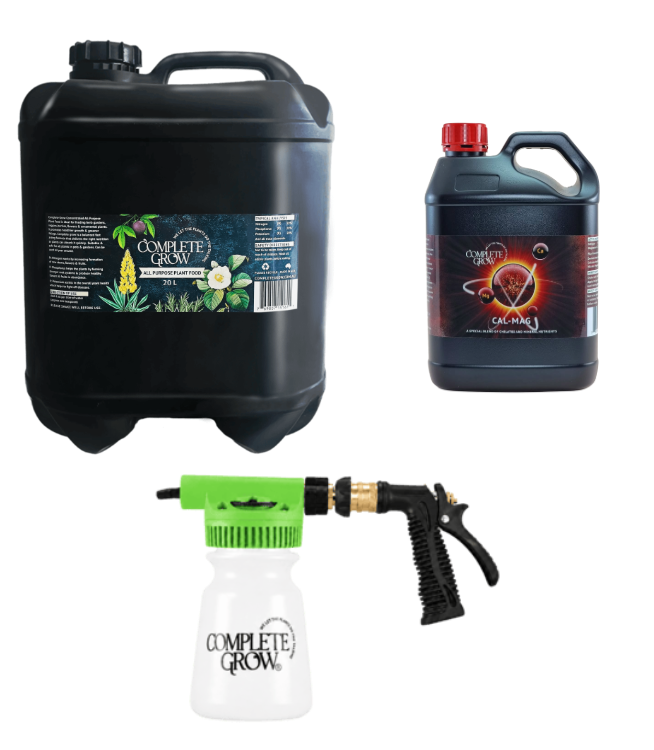
Recommended Product: For optimal results, a high-nitrogen fertilizer like CompleteGrow NPK 20-20-20 or the 20L Bulk Liquid NPK is ideal for Bermuda grass, providing consistent, long-lasting nutrients for vibrant, healthy lawns.

117380455_776275579845513_6030870852515534496_n (1)
492229305_1473281984101111_6436793450397210959_n (1)

Fertilizer Types and Application Tips

For Bermuda grass, nitrogen-focused fertilizers are essential to maintain dense, green growth and fast recovery from wear. Both synthetic and organic options are effective, but high-nitrogen formulations provide quicker results. Slow-release granular fertilizers gradually supply nutrients over several weeks, making them ideal for larger lawns or busy homeowners. Liquid fertilizers act quickly, delivering nutrients directly to the leaves and soil, perfect for immediate greening during high-growth periods or after mowing. Some products even combine fertilizer with pre-emergent weed control, saving time while promoting uniform lawn health.

Proper application is critical. Generally, 1 lb of nitrogen per 1,000 sq. ft. per month during active growth is recommended. Over-fertilizing can stress the grass, create excessive thatch, and increase vulnerability to pests and disease. After applying fertilizer, lightly water the lawn to help nutrients penetrate the soil and reduce the risk of burning. For hybrid Bermuda varieties like TifTuf, carefully monitor growth and adjust the type and frequency of fertilization to maintain optimum density and color throughout the season.

462188198_17955212987828535_478368375435475681_n (1)
272141574_329122585781497_8817416192325093557_n

Fertilizer Types and Application Tips

For Bermuda grass, nitrogen-focused fertilizers are essential to maintain dense, green growth and fast recovery from wear. Both synthetic and organic options are effective, but high-nitrogen formulations provide quicker results. Slow-release granular fertilizers gradually supply nutrients over several weeks, making them ideal for larger lawns or busy homeowners. Liquid fertilizers, on the other hand, act quickly, delivering nutrients directly to the leaves and soil, perfect for immediate greening during high-growth periods or after mowing. Some products even combine fertilizer with pre-emergent weed control, saving time while promoting uniform lawn health.

Proper application is critical. Generally, 1 lb of nitrogen per 1,000 sq. ft. per month during active growth is recommended. Over-fertilizing can stress the grass, create excessive thatch, and increase vulnerability to pests and disease. After applying fertilizer, lightly water the lawn to help nutrients penetrate the soil and reduce the risk of burning. For hybrid Bermuda varieties like TifTuf, carefully monitor growth and adjust the type and frequency of fertilization to maintain optimum density and color throughout the season.

Seasonal Fertilization, Maintenance, and FAQ

Bermuda grass responds best to a seasonal approach. In spring, apply a balanced NPK fertilizer as the lawn emerges from dormancy to support root and shoot development. During summer, nitrogen-rich fertilizers applied every 4โ€“6 weeks keep the lawn deep green, vigorous, and resilient against heat and foot traffic. In autumn, reduce nitrogen and increase potassium to strengthen roots and prepare the grass for cooler conditions. Minimal fertilization is required during winter dormancy, but maintaining soil health and proper watering ensures the lawn returns strong in spring.

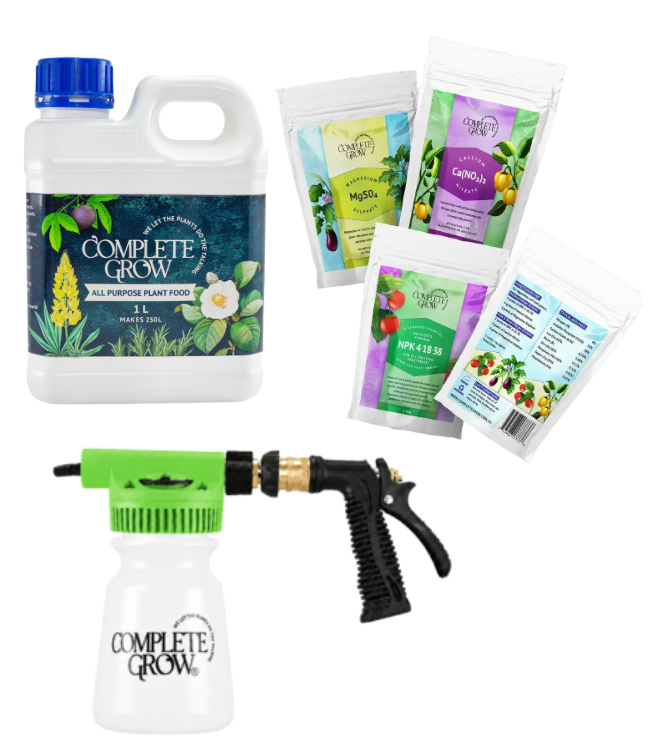
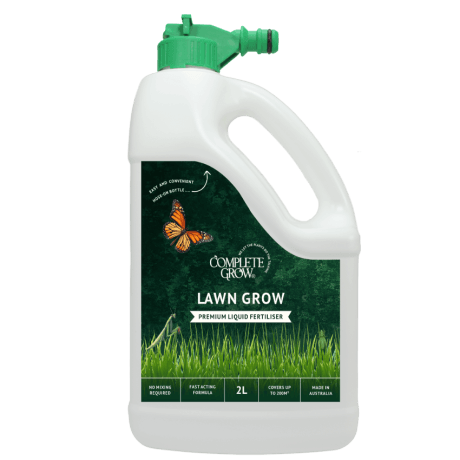
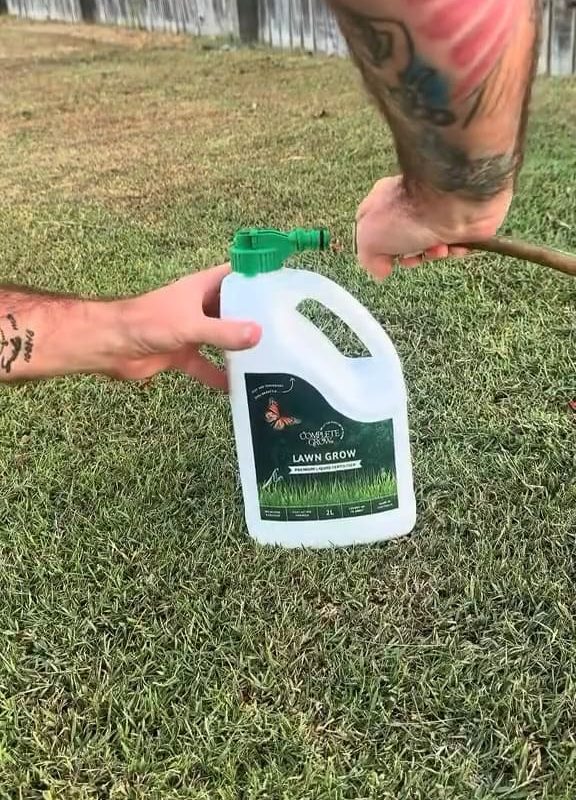
Recommended Product: CompleteGrow Lawn Grow โ€“ Hose-On Liquid Lawn Fertiliser provides fast green-up, dense turf, and consistent nutrients throughout the season, making it ideal for Bermuda grass.

FAQ

Q: How often should I fertilize Bermuda grass? A: Fertilize every 4โ€“6 weeks during active spring and summer growth. Reduce frequency in autumn and avoid fertilizing in winter dormancy.

Q: Can liquid fertilizer be used on newly established sod? A: Yes, apply at half-strength to promote healthy establishment without burning young grass.

Q: Should I water after applying fertilizer? A: Light watering helps nutrients penetrate the soil and prevents leaf burn.

Q: What is the best fertilizer type for Bermuda grass? A: High-nitrogen fertilizers, whether slow-release granular or liquid hose-on like Lawn Grow, provide optimal color, density, and overall lawn health.

Recommended Products

The Grow Blog: News, Tips, & Stories

Cart (0 items)

No products in the cart.