Free shipping over $0
Free Shipping Limited Time

cactus fertilizer🌵

Transform Your Garden into a Personal Paradise!

Cactus Plant Fertilizer: What It Is, How It Works & Why Cacti Need It

The best fertiliser for cactus is a low-nitrogen liquid like NPK 2-7-7, fed only in spring and summer. Mix ½ cap of CompleteGrow’s Cactus & Succulent Plant Food per 10 L of water every time you water, or 1 full cap per 10 L once or twice a month. Reduce feeding as growth slows, and stop in winter.

Although cacti are known for their toughness, they still need the right fertiliser to support root strength, slow-but-steady growth, and flowering—especially in pots or low-nutrient soil. Using a targeted cactus plant fertiliser ensures your plants develop firm structure, rich colour, and resistance to stress without the risks of overfeeding.

Do Cactus Plants Really Need Fertilizer?

Yes. Even desert plants like cacti and succulents need macronutrients (NPK) and trace elements. In nature, they slowly absorb nutrients from decomposing plant matter in mineral-rich sand and grit. But in pots and containers, they depend 100% on what you provide. Cactus plants may be low-maintenance, but they’re not zero-maintenance. Over time, the nutrients in the potting mix run out. Without fertilizer, your cactus may survive, but it won’t thrive. You’ll see slower growth, fewer offshoots, dull colour, and weak flowering (or none at all). Benefits of fertilising cactus:
  • Supports strong, firm stem growth for column cactus, barrel cactus, and opuntia pads
  • Improves colour and spine development for aesthetic appeal and plant health
  • Encourages blooming in flowering varieties like Christmas cactus and epiphyllum
  • Strengthens roots to resist rot and transplant shock
If your cactus hasn’t grown in a while, looks pale, or isn’t flowering like it used to—it likely needs feeding.

Why Cactus-Specific Fertiliser Is Different

Cactus fertilisers are specially designed to match the nutrient needs of slow-growing desert plants and succulents. Unlike typical houseplant or garden blends, cactus fertilisers are low in nitrogen, which prevents excessive water uptake and soft, leggy growth. Key traits of a good cactus fertiliser:
  • Low nitrogen (N): Prevents rot and supports compact growth
  • Moderate to high phosphorus (P): Promotes root and cellular development
  • High potassium (K): Improves stem firmness, drought tolerance, and flowering potential
  • Trace minerals: Includes iron, magnesium, boron, and zinc for pigment, spine development, and metabolism
When grown in containers or decorative planters, cacti rely entirely on you for nutrition—making a cactus-specific fertiliser essential for long-term success.

Micronutrients Matter

Even if NPK is balanced, cacti also need trace elements:
  • Magnesium: Prevents pale or faded stems
  • Calcium: Supports firmness and reduces splitting
  • Iron & Zinc: Improve colour and stress resistance
Choosing a complete, cactus-safe liquid plant food ensures nutrients are immediately available and easy for shallow roots to absorb.

CompleteGrow’s view: why 2-7-7 suits cactus

NPK 2-7-7 has 3.5 times more potassium than nitrogen (7 vs 2 on the bottle). Balanced feeds like 20-20-20 and lawn fertilisers carry as much nitrogen as potassium, or more. That suits fast, leafy plants, but a cactus grows slowly and stores water in its stems, so extra nitrogen pushes soft, swollen growth that splits and rots more easily. In 2-7-7, the phosphorus and potassium go into roots, firm stems and flowers instead.

polina-skaia-MBPxxeTbI8w-unsplash
christoph-von-gellhorn-kjA82leKmJc-unsplash

How to Use Fertilizer for Cactus Plants the Right Way

Even though cacti don’t need feeding as often as leafy plants, timing and dilution are crucial. Proper fertilising supports healthy root development, encourages small bursts of growth, and helps flowering varieties form buds.

Best Time to Fertilise Cacti

  • Spring: Begin fertilising when new growth appears or after the first watering of the season
  • Early Summer: Continue feeding while active growth continues—½ cap per 10 L at every watering, or 1 full cap per 10 L once or twice a month
  • Late Summer: Reduce feeding as temperatures cool—this helps prevent soft growth vulnerable to rot
  • Winter: Pause all fertilising unless the cactus is actively growing indoors under lights

How Much Cactus Fertiliser to Use

Every watering
½ cap per 10 L of water
About 0.75–1 mL per litre for a small watering can
Once or twice a month
1 full cap per 10 L of water
About 1.5–2 mL per litre for a small watering can
Winter
Stop feeding
Start again when new growth appears in spring

One cap holds about 15–20 mL. Water the potting mix evenly, let the excess drain away, and let the mix dry out before the next watering.

How to Apply Fertiliser

  • Use a liquid cactus-specific fertiliser, ideally with a 2-7-7 NPK ratio
  • Mix at half strength if feeding frequently (every watering), or full strength if feeding monthly
  • Only fertilise when soil is slightly moist—never apply to dry or soggy soil
Cactus roots are shallow and sensitive. Overfeeding or using the wrong NPK ratio (like a lawn fertiliser) can damage your plant quickly. A cactus-specific formula avoids those risks. Should you fertilise cactus plants? Yes—but only during their active growing phase and with the correct formula. Overfeeding or using the wrong type (like lawn or veggie fertilisers) can cause tip burn, stretching, or rot.

Caring for Cactus Plants – Light, Soil, Water & Feeding Conditions

Before adding any plant food, it’s important to get the growing conditions right. Feeding a cactus in poor light or soggy soil won’t improve its health—it may actually make things worse.

Sunlight Requirements

  • Full sun: Most cacti require 6–8 hours of sunlight daily. North- or west-facing windows are ideal indoors
  • Filtered light: Epiphytic cacti (like Christmas or Easter cactus) prefer bright, indirect light
  • Too little light = soft, leggy growth that plant food can’t fix alone

Soil & Drainage

Cacti must be grown in a fast-draining soil mix—typically containing sand, perlite, pumice, or fine gravel. Standard potting mix holds too much water and can lead to root rot. Fertiliser works best when paired with airy soil that supports strong root health.

Watering Technique

  • Water deeply: When soil is dry, water thoroughly so nutrients reach roots
  • Let dry fully: Wait until the pot is completely dry before watering again
  • Don’t feed when soggy: Always avoid fertilising wet or saturated soil
Overwatering is the #1 cause of fertiliser-related issues in cactus care. Always check moisture before applying plant food—especially during winter.
stephanie-harvey-N9lmtlOuaDM-unsplash
thomas-verbruggen-5A06OWU6Wuc-unsplash

Can You Use Cactus Fertilizer for Other Plants?

Yes, cactus fertiliser can be used for some other types of plants—especially succulents, jade, aloe, and other low-nutrient feeders that prefer dry, lean soil. However, it’s not suitable for fast-growing leafy plants like herbs, tomatoes, or flowering annuals that require higher nitrogen.

Best Uses Beyond Cactus

  • Succulents: Echeveria, Crassula, Haworthia, etc. thrive on the same feeding schedule as cacti
  • Jade plants (Crassula ovata): Respond well to low-nitrogen liquid feeds
  • Aloe vera: Can be fed with cactus plant food at the same rate as cacti in spring and summer to support gel production and leaf strength

Fertiliser for Christmas Cactus

Christmas cacti (Schlumbergera) are technically not desert cacti, but epiphytic rainforest species. However, they still benefit from a liquid cactus fertiliser—especially in the months leading up to flowering.
  • Use during late winter to early spring to support bud formation
  • Feed every 2–3 weeks during the pre-bloom and flowering period
  • Use a high-potassium cactus blend (like 2-7-7) to support vibrant blooms
Whether you’re feeding a desert cactus, a hanging epiphytic cactus, or a jade plant on the windowsill, using a purpose-made cactus plant fertiliser ensures you’re supporting strong growth without overdoing it.

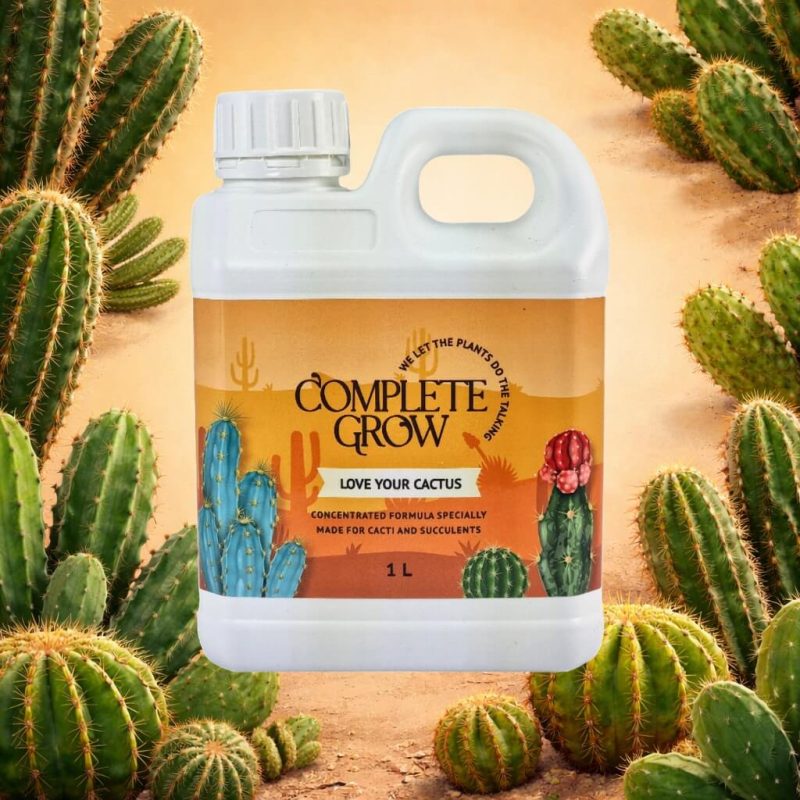
Best Cactus Plant Food: CompleteGrow’s Cactus & Succulent Liquid Fertiliser (2-7-7)

Made in Australia and trusted by succulent lovers nationwide, our 2-7-7 liquid cactus fertiliser is specially formulated for compact, healthy growth and flowering in all cacti, succulents, jade, and aloe plants.
  • Low Nitrogen, High Phosphorus & Potassium (2-7-7)
  • Encourages strong roots, firm stems, and bright blooms
  • Includes essential trace elements for optimal growth
  • Easy-to-use liquid concentrate—feed with every watering or once a month
  • Free shipping Australia-wide
Directions: Add half a cap per 10 L of water for frequent feeding, or a full cap per 10 L if feeding monthly. Avoid overwatering—always allow soil to dry between applications.

Shop Cactus & Succulent Plant Food – 1 L & 2 L Concentrate

Cactus Fertiliser FAQs – What to Know Before You Feed

Can I Use Regular Fertiliser on Cactus Plants?

Not recommended. Regular fertilisers are often too high in nitrogen, which causes soft, watery growth in cactus plants—making them prone to rot and fungus. Always use a low-nitrogen cactus blend with higher potassium for strength and stability.

What’s the Best NPK for Cactus Fertiliser?

An NPK ratio like 2-7-7 is ideal. Low nitrogen (N) prevents leggy growth, while higher phosphorus (P) and potassium (K) support root health, flower development, and firm structure.

How Much Cactus Fertiliser per Litre?

For feeding at every watering, use about 0.75–1 mL per litre (½ cap per 10 L). For feeding once or twice a month, use about 1.5–2 mL per litre (1 full cap per 10 L).

Should I Fertilise Cactus in Winter?

No. Most cacti rest in winter, and unused fertiliser sits in cold, damp potting mix where it can burn roots and encourage rot. Start feeding again in spring when you see new growth. The exception is a cactus actively growing indoors under lights.

Do You Fertilize Indoor and Outdoor Cactus Differently?

Same rules apply—though indoor cacti may need less frequent feeding due to slower growth. If kept under grow lights or in a bright sunroom, follow the same monthly schedule as outdoor plants during spring and summer.

Can I Use Cactus Fertiliser for Succulents?

Yes! A cactus fertiliser like CompleteGrow’s 2-7-7 blend is perfect for succulents, jade, aloe vera, echeveria, crassula, and haworthia. Succulents have similar nutrient needs—compact growth, strong roots, and good drought resistance.

How Do I Know If My Cactus Needs Fertiliser?

Look for:
  • Pale green or yellowing stems
  • Stunted growth over several seasons
  • Delayed or absent flowering
  • Weak or shrivelling offshoots
If your cactus hasn’t been fed in 6+ months and conditions are otherwise good (light, drainage, watering), it’s likely time to fertilise.

Recommended Products

Cactus Succulent Plant Food Fertiliser Concentrate

Price range: $32.00 through $56.00
Cart (0 items)

No products in the cart.