
Free Shipping Limited Time

birds nest fern​ Brown Leaves

Transform Your Garden into a Personal Paradise!

Add Your Heading Text Here

Bird’s Nest Fern Problem Guide

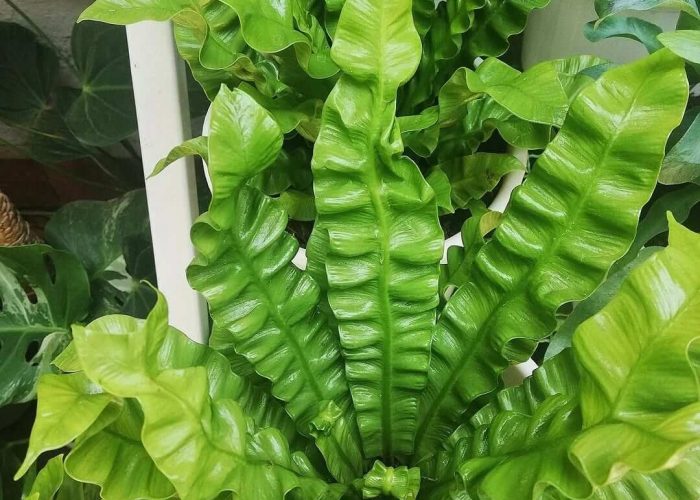
Bird’s Nest Fern Brown Leaves

Why Bird’s Nest Ferns Get Brown Tips, Brown Edges and Brown Spots

Bird’s nest fern brown leaves are usually caused by dry air, underwatering, harsh direct sun, poor drainage, water sitting in the crown, or nutrient imbalance. Brown tips and brown edges often point to moisture stress, while brown spots are more commonly linked to sun scorch, leaf damage, water marks or root stress.

Bird’s nest ferns have broad, smooth fronds that show damage clearly. Once a section turns brown, that damaged tissue will not turn green again. The goal is to stop new browning by correcting light, watering, humidity, drainage and feeding.

Why Is My Bird’s Nest Fern Turning Brown?

A bird’s nest fern turns brown when the fronds are stressed by dry air, inconsistent watering, harsh sunlight, poor drainage, crown moisture or nutrient imbalance. Move it to bright indirect light, water the soil instead of the crown, improve humidity, and feed lightly with NPK 16-4-14 indoor plant fertiliser during active growth.

🌫️
Brown Tips

Usually caused by dry air, underwatering, inconsistent watering or fertiliser salt build-up.

🌤️
Brown Spots

Often caused by harsh direct sun, leaf damage, water sitting on leaves or stress.

💧
Brown Edges

Common when the plant dries too much, sits in dry air or has stressed roots.

🌿
Weak Growth

Pale, slow or weak fronds may need NPK 16-4-14 indoor plant fertiliser.

Why Bird’s Nest Fern Leaves Turn Brown

Bird’s nest fern leaves turn brown when the plant is under environmental or root stress. The most common reason is moisture imbalance. If the potting mix dries out too far, the edges and tips may brown. If the potting mix stays too wet, the roots can become stressed, and the fronds may develop yellowing, brown patches or soft damaged areas.

Harsh direct sun is another common cause of brown spots on bird’s nest fern leaves. These ferns prefer bright indirect light, not hot direct sun through glass. Sun scorch often appears as dry brown patches on the side of the plant facing the window.

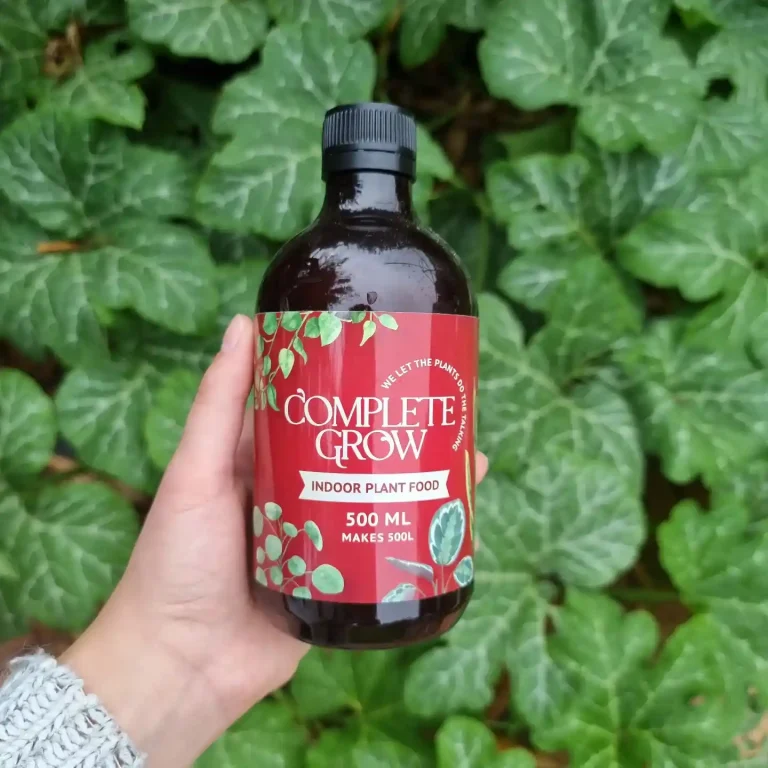
Nutrient imbalance can also contribute to weak, pale or poor-quality fronds that brown more easily. If the plant has been in the same potting mix for a long time or has not been fed during active growth, use CompleteGrow Indoor Plant Food Concentrate, an NPK 16-4-14 indoor plant fertiliser, once watering and light are corrected.

621642230_18165307507397088_8138360347119721302_n (1)
702291703_18589202905001751_2970837556363218859_n (1)

Bird’s Nest Fern Brown Tips

Brown tips on bird’s nest fern are usually caused by dry indoor air, underwatering, inconsistent watering or salt build-up in the potting mix. The tips dry first because they are the farthest point from the root system and are exposed to indoor airflow.

To fix brown tips, keep the potting mix lightly moist, improve humidity and avoid placing the plant near heaters, air conditioners or strong fans. If the plant has been overfed, flush the potting mix gently with water and allow the pot to drain fully.

Bird’s Nest Fern Brown Edges

Brown edges are often caused by the same moisture problems as brown tips, but they can also appear when the roots are stressed. If the soil dries out repeatedly, the leaf edges may become dry and papery. If the soil stays wet for too long, root stress can also cause browning, yellowing or weak growth.

Check the pot before watering again. If the soil is wet and heavy, improve drainage and wait longer between watering. If the soil is dry, water thoroughly and allow excess water to drain away. The goal is lightly moist soil, not bone-dry soil or soggy soil.

Bird’s Nest Fern Brown Spots

Brown spots on bird’s nest fern leaves are commonly caused by sun scorch, physical damage, water sitting on the leaf surface, poor airflow or root stress. Large dry brown patches often point to direct sunlight. Smaller marks can occur where the leaf has been damaged or where water has sat on the surface in cool conditions.

If brown spots appear mostly on one side of the plant, check whether that side receives direct sun. Move the plant into filtered light and avoid hot glass exposure. If spots appear with soft yellowing or a mushy centre, check for overwatering, crown rot or poor drainage.

Symptom Likely Cause Best Fix
Brown tips Dry air, underwatering, inconsistent watering or salt build-up Increase humidity, water evenly and avoid overfeeding.
Brown edges Soil drying too much, dry airflow or root stress Keep soil lightly moist and check drainage.
Brown spots Sun scorch, leaf damage, water sitting on leaves or root stress Move to bright indirect light and avoid wet foliage in cool rooms.
Brown and yellow leaves Overwatering, poor drainage or root stress Let the top layer dry slightly and improve drainage.
Pale weak fronds Low light or nutrient imbalance Improve light and feed lightly with NPK 16-4-14 indoor plant fertiliser.
619911733_18068280500191485_2927912511189604887_n (1)
466343039_18047274308068806_6855695530660619256_n (1)

Fixing Nutrient Imbalance in Browning Bird’s Nest Fern

Nutrient imbalance can make bird’s nest fern growth pale, weak or slow, and weak fronds may be more likely to brown at the tips or edges. This is common when the plant has been in the same potting mix for a long time or has not been fed during active growth.

To support healthier green fronds, use CompleteGrow Indoor Plant Food Concentrate, an NPK 16-4-14 indoor plant fertiliser suited to leafy indoor plants like bird’s nest fern. The nitrogen supports fresh green foliage, while potassium helps overall plant strength and steady indoor growth.

Apply lightly during active growth and only to moist potting mix. Do not pour fertiliser into the central rosette, and do not overfeed a stressed, waterlogged or low-light plant.

How to Stop Bird’s Nest Fern Leaves Turning Brown

  • Move the plant into bright indirect light.
  • Avoid harsh direct sun through windows.
  • Water when the top layer of potting mix begins to dry.
  • Keep soil lightly moist, not soggy.
  • Water the potting mix, not the central crown.
  • Improve humidity if the tips or edges are drying.
  • Check that the pot has drainage holes.
  • Trim badly damaged brown leaves close to the base.
  • Feed with NPK 16-4-14 indoor plant fertiliser during active growth if growth is weak or pale.

Bird’s Nest Fern Brown Leaves FAQ

Why is my bird’s nest fern turning brown?

Bird’s nest fern usually turns brown because of dry air, underwatering, harsh sun, poor drainage, crown moisture, root stress or nutrient imbalance.

Why does my bird’s nest fern have brown tips?

Brown tips are usually caused by dry indoor air, underwatering, inconsistent watering or salt build-up in the potting mix.

Why does my bird’s nest fern have brown spots?

Brown spots are commonly caused by harsh direct sunlight, leaf damage, water sitting on the leaves, poor airflow or root stress.

Should I cut off brown bird’s nest fern leaves?

Yes. Fully brown or badly damaged leaves can be trimmed close to the base with clean scissors. Lightly damaged leaves can remain if they are still mostly green.

Can nutrient imbalance cause bird’s nest fern browning?

Yes. Nutrient imbalance can contribute to pale, weak or slow growth, which can make the plant less resilient and more likely to develop poor-quality fronds.

What fertiliser helps bird’s nest fern recover?

An NPK 16-4-14 indoor plant fertiliser is recommended during active growth to support healthy green fronds and stronger indoor foliage.

Recommended Products

Sale!

The Grow Blog: News, Tips, & Stories

Cart (0 items)

No products in the cart.