
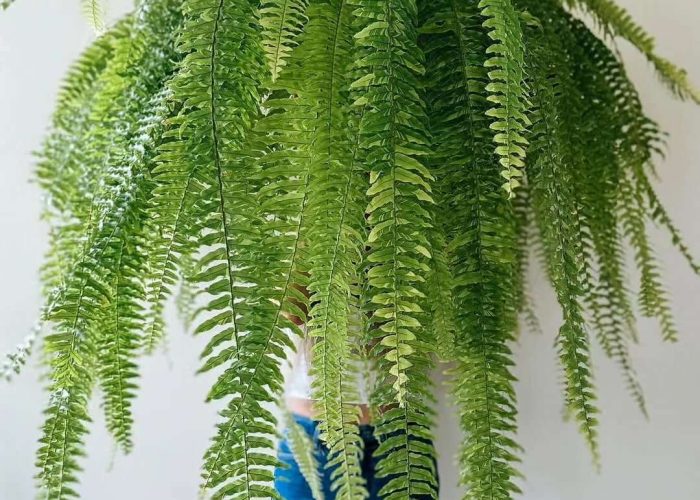
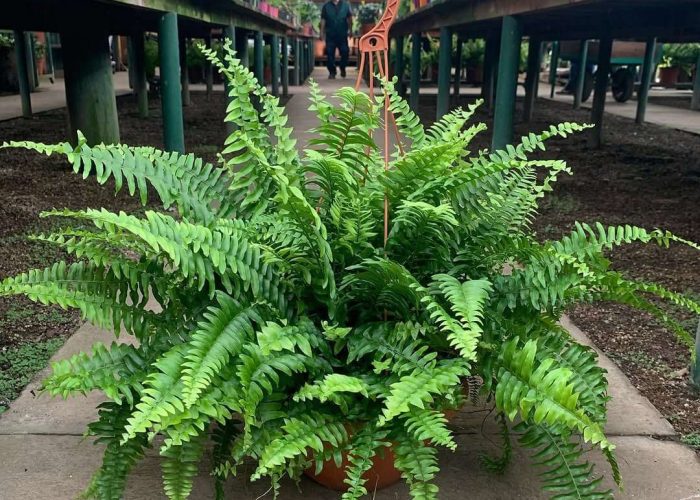

Boston Fern Browning Leafs
Transform Your Garden into a Personal Paradise!
Add Your Heading Text Here
Boston Fern Problem Guide
Boston Fern Brown Leaves
How to Fix Browning Fronds, Brown Tips, Yellow Leaves and Leaf Drop
Boston fern brown leaves are usually caused by dry air, underwatering, harsh direct sun, poor drainage, nutrient deficiency or sudden stress. Brown tips often point to low humidity or inconsistent moisture, while yellow leaves can be linked to overwatering, poor drainage, ageing fronds or a lack of nutrients when the plant has not been fertilised during active growth.
Boston ferns have fine, moisture-sensitive fronds, so they react quickly when the growing conditions are not balanced. The key is to work out whether the plant is drying out, sitting too wet, getting too much sun, lacking humidity, or running short of nutrients after a long period without feeding.
Boston fern leaves turn brown when moisture, light, drainage or nutrition is out of balance.
The most common causes are dry air, missed watering, hot sunlight, heater or air-conditioner airflow, and potting mix that dries too far between watering. Yellowing, weak growth or pale fronds can also point to poor drainage, overwatering or nutrient deficiency.
Why Are My Boston Fern Leaves Turning Brown?
Boston fern leaves turn brown when the plant is under moisture stress or general growing stress. This does not always mean the plant simply needs more water. It can mean the air is too dry, the potting mix is drying out too quickly, the plant is sitting in harsh sun, the roots are damaged by poor drainage, or the fern is weak because it has not had enough nutrients during active growth.
Brown tips are especially common indoors because Boston ferns prefer higher humidity than many homes naturally provide. Air conditioners, heaters, fans and hot windows can dry the fronds even when the potting mix still feels slightly moist. This is why a Boston fern can look crispy even when it has been watered.
If the whole frond is browning, yellowing or falling off, the plant may have gone through a stronger stress event. This can happen after missed watering, a sudden change in position, repotting shock, direct sun exposure, or moving the fern from a humid nursery environment into a dry room. It can also happen when the plant has been kept in the same potting mix for a long time without feeding, because nutrient deficiency can lead to pale, weak or yellowing fronds. The good news is that Boston ferns can recover if the crown and roots are still healthy.
Boston Fern Brown Tips
Brown tips on a Boston fern usually point to dry air or inconsistent moisture. The tips of the fronds are the first parts to show stress because they are fine, delicate and exposed to air movement. If your Boston fern has brown tips but the rest of the plant is still green, the problem is often environmental rather than a serious disease.
- Low humidity: Dry indoor air causes the frond tips to crisp.
- Irregular watering: Letting the pot dry too far can brown the tips.
- Hot sunlight: Direct sun through glass can scorch the fronds.
- Dry airflow: Fans, heaters and air conditioners can dry the foliage.
- Salt build-up: Over-fertilising or hard water can contribute to tip burn.
- Nutrient deficiency: Long periods without feeding can cause weak, pale or yellowing growth.
To fix brown tips, move the fern away from drying airflow and hot windows. Keep the potting mix evenly moist, but not waterlogged. Increase humidity by grouping plants, using a pebble tray, placing the fern in a bright bathroom, or using a humidifier. If the fern is pale, weak or has not been fertilised for a long time, feed gently with an indoor plant fertiliser once the plant is stable and not severely stressed.
Boston Fern Leaves Turning Brown and Falling Off
If Boston fern leaves are turning brown and falling off, the plant has likely experienced stronger stress than simple tip browning. The most common cause is drying out too much. Boston ferns do not like their potting mix to become completely dry for long periods. Once the root ball dries heavily, the fronds can shed leaflets, collapse or turn brown.
Leaf drop can also happen after a sudden change in environment. A Boston fern moved from a humid nursery, shaded patio or greenhouse into a dry indoor room may drop leaflets while it adjusts. The plant may also lose fronds after repotting, transport, direct sun exposure, a missed watering period or a long period without nutrients.
Trim away fronds that are fully brown or dry at the base. Keep partially green fronds if they are still helping the plant photosynthesise. Then focus on stable care: bright indirect light, even moisture, good drainage, higher humidity and gentle feeding once fresh growth begins. Avoid heavy fertiliser while the plant is still dropping large amounts of brown foliage.
Boston Fern Leaves Turning Yellow
Boston fern leaves turning yellow usually has a different cause from crispy brown leaves. Yellowing often points to overwatering, poor drainage, low light, ageing fronds, root stress or nutrient deficiency. If the potting mix stays wet for too long, the roots can struggle to breathe. This can cause the plant to yellow even though it looks like it has plenty of water.
Low light can also cause yellowing because the plant is not using water and nutrients efficiently. In a dark room, the potting mix may stay wet longer, which increases the risk of root stress. Move the plant gradually into brighter indirect light and check whether the pot has proper drainage.
Nutrient deficiency can also cause pale or yellowing fronds, especially if the Boston fern has been in the same pot for a long time or has not been fed during the growing season. In pots, nutrients gradually wash out through watering. Once light, watering and drainage are corrected, an NPK 16-4-14 indoor plant fertiliser can help support fresh green fronds and stronger recovery.
How to Save a Browning Boston Fern
- Move the fern into bright indirect light, away from harsh direct sun.
- Check the potting mix. Water if the top layer is dry, but do not leave the pot sitting in water.
- Increase humidity around the plant, especially if the fronds are crispy.
- Trim fully brown fronds at the base with clean scissors or secateurs.
- Check drainage holes and empty any saucer or cover pot after watering.
- If growth is pale, weak or yellowing, consider nutrient deficiency after other causes are corrected.
- Feed gently with an NPK 16-4-14 indoor plant fertiliser once the fern is stable and producing fresh growth.
Recovery depends on how much of the plant is still healthy. If the crown is firm and some green fronds remain, the fern can often recover. New growth should appear from the centre once the plant is back in stable conditions.
Should You Fertilise a Boston Fern with Brown or Yellow Leaves?
Do not fertilise a Boston fern heavily while it is dry, crispy or badly stressed. Brown leaves are usually caused by dry air, underwatering, harsh sun or root stress, and fertiliser cannot repair dead brown tissue. However, if the fern is pale, yellowing, weak or producing very little new growth, nutrient deficiency may also be part of the problem. A Boston fern that has not been fertilised during active growth can run short of nutrients, especially in a pot where watering gradually washes nutrients out of the mix. In this case, feeding with an NPK 16-4-14 indoor plant fertiliser can help support fresh green fronds once the plantโs light, watering and humidity are corrected. Use CompleteGrow Indoor Plant Food Concentrate when the plant is stable and beginning to grow again. Apply fertiliser to damp potting mix and avoid feeding if the fern is sitting in wet soil, has no drainage, or is still dropping large amounts of brown foliage. Fix the main stress first, then feed gently during active growth.Boston Fern Browning FAQ
Why are my Boston fern leaves turning brown?
Boston fern leaves usually turn brown because of dry air, underwatering, harsh direct sun, heater or air-conditioner airflow, poor drainage, sudden stress or nutrient deficiency.
Why does my Boston fern have brown tips?
Brown tips are commonly caused by low humidity, inconsistent watering, hot sunlight, dry airflow, salt build-up or weak growth from a lack of nutrients.
Can nutrient deficiency cause Boston fern leaves to turn yellow?
Yes. Nutrient deficiency can cause pale, weak or yellowing Boston fern fronds, especially when the plant has not been fertilised during active growth or has been in the same potting mix for a long time.
Should I cut off brown Boston fern leaves?
Yes. Fully brown or dry fronds can be cut at the base. Partly green fronds can stay if they are still helping the plant grow.
Why are my Boston fern leaves turning brown and falling off?
This often happens when the fern dries out too much, experiences low humidity, suffers shock, lacks nutrients, or is moved suddenly into a harsher indoor environment.
Why are my Boston fern leaves turning yellow?
Yellow leaves are often caused by overwatering, poor drainage, low light, ageing fronds, root stress or nutrient deficiency. Check the potting mix and drainage before watering again.
Can a brown Boston fern recover?
Yes, if the crown and roots are still healthy. Trim dead fronds, improve humidity, keep the soil evenly moist and wait for fresh green fronds to emerge.
Final Recommendation: Fix the Cause, Then Support New Growth
Boston fern brown leaves are usually caused by dry air, inconsistent watering, harsh light or root stress. Yellowing and weak growth can also come from nutrient deficiency, especially if the plant has not been fed during active growth. Start by correcting the plantโs position, moisture, humidity and drainage.Once fresh growth appears, support recovery with CompleteGrow Indoor Plant Food Concentrate, an NPK 16-4-14 indoor plant fertiliser made for leafy indoor plants like Boston fern.
Recommended Products
- Quick View
- Select options This product has multiple variants. The options may be chosen on the product page
Indoor Plant Food Concentrate Fertiliser 100ml Makes 100 Litres
- Quick View
- Select options This product has multiple variants. The options may be chosen on the product page