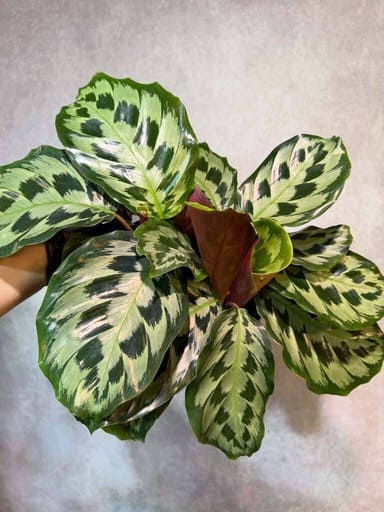


Philodendron Propagate
Transform Your Garden into a Personal Paradise!
Add Your Heading Text Here
How to Propagate Philodendron Plants (All Varieties Explained)
Philodendrons are among the easiest houseplants to propagate when you understand how their growth nodes work. Whether you are propagating a Heartleaf, Pink Princess, White Knight, Silver Sword, or a large split-leaf philodendron, the basic principles remain the same.
The most important requirement for successful philodendron propagation is a healthy node. Without a node, new roots will not form.
What Is a Node on a Philodendron?
A node is the section of stem where leaves, aerial roots, and new growth originate. When propagating philodendrons, your cutting must include at least one node for roots to develop.
- Nodes are usually found just below a leaf joint
- Aerial roots often emerge from nodes on climbing varieties
- Self-heading varieties still contain nodes, but they are closer together
This applies to all varieties, including Pink Princess, White Wizard, Prince of Orange, Xanadu, Selloum, and Silver Sword.
How to Propagate Philodendron in Water
Water propagation is the most common and beginner-friendly method. It works well for climbing and self-heading philodendrons.
- 1) Take a cutting: cut just below a node using clean scissors.
- 2) Remove lower leaves: leave the node exposed.
- 3) Place in water: submerge the node, not the leaves.
- 4) Bright indirect light: avoid direct sun.
- 5) Change water: every 3โ5 days.
Roots usually appear within 1โ3 weeks. Once roots reach 3โ5 cm, the cutting can be transferred to soil.
How to Propagate Philodendron in Soil
Soil propagation creates stronger root systems early and is often preferred for larger varieties like Selloum, Xanadu, and tree philodendrons.
- Use a free-draining indoor potting mix
- Insert the node just below the soil surface
- Keep soil lightly moist, not wet
- Maintain warmth and humidity
Soil propagation may take slightly longer to show visible growth, but roots adapt more easily once established.
Propagation Notes by Variety Type
- Climbing varieties: Heartleaf, Brasil, Micans, Silver Sword โ easiest to propagate from stem cuttings.
- Self-heading varieties: Birkin, Prince of Orange, Xanadu โ propagate from stem sections with visible nodes.
- Variegated types: Pink Princess, White Knight, White Wizard โ propagate slowly and require bright indirect light.
Caring for Newly Propagated Philodendrons
Once a cutting develops roots and is transferred to soil, care should focus on stability rather than rapid growth.
- Keep light bright but indirect
- Maintain consistent moisture
- Avoid fertilising immediately after potting
After 2โ3 weeks, gentle feeding can support new leaf development.
For indoor plants, use a controlled fertiliser such as Indoor Plant Food Fertiliser with NPK 16-4-14, formulated to support steady foliage growth without stressing young roots.
Frequently Asked Questions
Yes. Most philodendron varieties can be propagated as long as the cutting includes a node.
Water is easier to monitor, while soil often produces stronger roots long term.
The most common causes are missing nodes, cold temperatures, or low light.
Philodendron Care Guides
Philodendron Care Guide
Complete indoor care guide covering light, watering, soil, growth habits, and long-term maintenance.
Philodendron Varieties Explained
Differences between climbing and self-heading philodendrons, including Birkin, Pink Princess, Xanadu, and more.
Best Fertiliser for Philodendron
Ideal NPK ratios, feeding schedules, and indoor fertiliser advice for healthy leaf growth.
Yellow & Brown Leaves Explained
Why philodendron leaves turn yellow or brown, how to diagnose the cause, and practical fixes.
How to Revive a Dying Philodendron
Step-by-step recovery guide for overwatering, underwatering, root stress, and sudden decline.
Brown Leaves & Spots
Causes of brown tips, edges, and spots on philodendron leaves and how to prevent them.
How to Propagate Philodendrons
Water and soil propagation methods for climbing and self-heading philodendron varieties.
Recommended Products
- Quick View
- Select options This product has multiple variants. The options may be chosen on the product page