
Free Shipping Over $70

Free Shipping Limited Time Only

Philodendron Brown

Transform Your Garden into a Personal Paradise!

Add Your Heading Text Here

Philodendron Leaves Turning Brown: Causes, Fixes & Prevention

Brown leaves on philodendron plants are a common sign of stress rather than disease. In most cases, browning is linked to water imbalance, humidity issues, or root-zone problems โ€” especially for indoor plants grown in pots.

The pattern of browning matters. Brown tips, brown edges, or brown spots each point to different underlying causes. Identifying the pattern is the fastest way to fix the issue.

What Type of Browning Are You Seeing?

  • Brown tips: usually linked to dry air, inconsistent watering, or salt buildup
  • Brown edges: often caused by underwatering or root stress
  • Brown spots: may indicate overwatering, poor airflow, or leaf moisture sitting too long
  • Entire leaves turning brown: often a sign of advanced root damage

These symptoms apply across popular varieties including Birkin, Brasil, Pink Princess, White Wizard, Xanadu, and Rojo Congo.

589855631_17871274539492586_5301589948733842285_n (1)
469609097_3898799490400559_3022481019175697997_n (1)

Why Philodendron Leaves Turn Brown

1. Water Stress (Most Common Cause)

Both overwatering and underwatering can cause brown leaves. When roots cannot absorb water properly, leaf tissue dries or collapses.

  • Constantly wet soil can suffocate roots and lead to browning
  • Very dry soil can cause leaf edges and tips to brown first

2. Low Humidity or Dry Indoor Air

Philodendrons originate from humid environments. Dry indoor air can cause leaf tips and edges to brown, especially during cooler months or near heaters.

3. Salt Buildup from Fertiliser

Excess fertiliser salts can accumulate in potting mix, drawing moisture away from roots and causing brown leaf tips.

  • More common in pots without regular flushing
  • Often affects new growth first

4. Wet Leaves + Poor Airflow

Brown spots can appear when water sits on leaves for extended periods, especially in low airflow conditions.

5. Variety-Specific Sensitivity

Variegated philodendrons such as Pink Princess, White Knight, and White Wizard are more sensitive to stress and often show browning sooner than green varieties.

485437157_17952908909937134_6243634136415839477_n (1)
464740051_583779160742980_583599906125568927_n

How to Fix Brown Leaves on Philodendron

  • Check soil moisture: allow the top layer to dry slightly before watering again
  • Improve airflow: avoid stagnant air around leaves
  • Increase humidity: group plants or use a humidity tray
  • Flush the pot: occasionally water thoroughly to remove excess salts
  • Trim damaged leaves: browning will not reverse

When Fertiliser Helps (And When It Doesnโ€™t)

Do not fertilise a philodendron that is actively stressed from overwatering or root damage. Once watering is stable and new growth resumes, gentle feeding supports recovery.

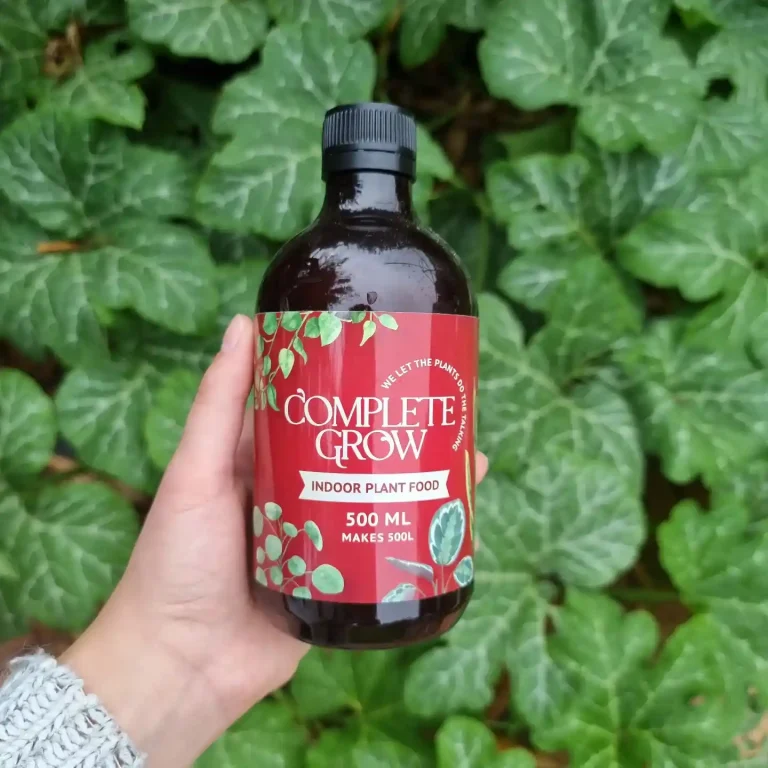
For indoor plants, use a controlled fertiliser such as
Indoor Plant Food Fertiliser
with NPK 16-4-14, formulated to support steady foliage growth without salt overload.

Frequently Asked Questions

Why are my philodendron leaves turning brown?

The most common causes are water stress, low humidity, or salt buildup in the soil.

Should I cut off brown philodendron leaves?

Yes. Browning will not reverse, and removing damaged leaves helps the plant redirect energy.

Why does my philodendron have brown spots?

Brown spots often appear from overwatering, wet leaves, or poor airflow.

Recommended Products

Sale!

The Grow Blog: News, Tips, & Stories

Cart (0 items)

No products in the cart.