
Free Shipping Over $70

Free Shipping Limited Time Only

Philodendron

Transform Your Garden into a Personal Paradise!

Add Your Heading Text Here

Best Fertiliser for Philodendron (Indoor & Outdoor)

When people search for the best fertiliser for philodendron, theyโ€™re usually trying to solve slow growth, pale leaves, small new foliage, or weak stems. These symptoms often stem from nutrient imbalances, especially in container-grown philodendrons where soil nutrients deplete over time.

The right fertiliser gives philodendrons the nutrients they need for foliage production and healthy roots without encouraging weak, leggy growth in indoor conditions.

Recommended Fertiliser for Philodendrons

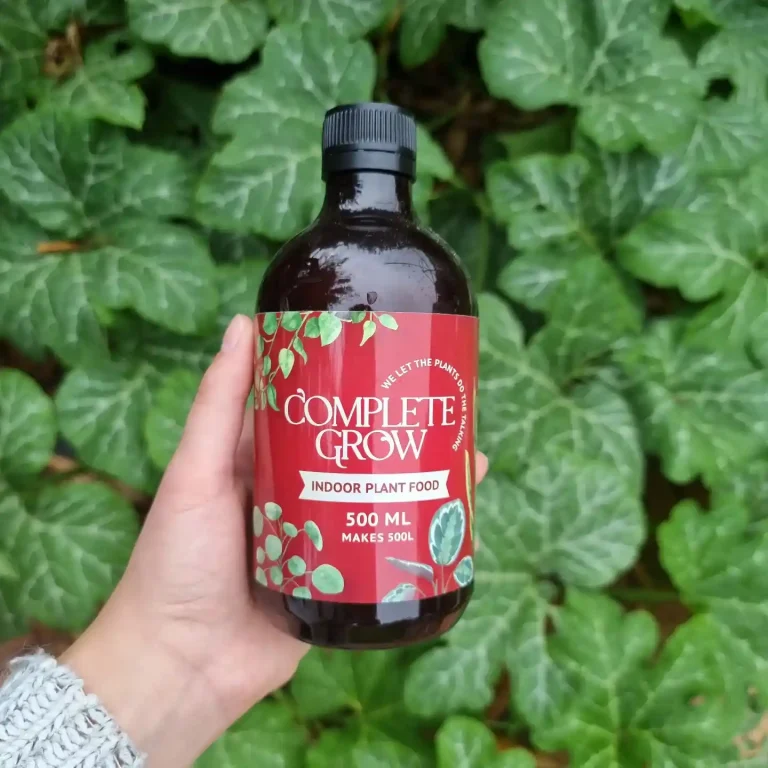
  • CompleteGrow Indoor Plant Food Fertiliser
    • NPK ratio: 16-4-14
    • Best for: Philodendrons grown indoors, including Heartleaf (hederaceum), Birkin, Pink Princess, and self-heading types like Xanadu
    • Why it works: Nitrogen supports lush foliage, phosphorus supports root health, and potassium supports overall plant function without promoting weak stem elongation
    • Form: Liquid fertiliser โ€” easy to dilute, gentle on roots, and ideal for regular feeding in pots

This fertiliser is designed specifically for indoor foliage plants, so it delivers nutrients that philodendrons can readily absorb in a controlled way that avoids salt buildup and stress.

589855631_17871274539492586_5301589948733842285_n (1)
469609097_3898799490400559_3022481019175697997_n (1)

What Philodendrons Need from Fertiliser

Philodendrons are foliage-focused plants. Unlike heavy bloomers or fruiters, their nutrient demands center on leaf growth and structural strength.

  • Nitrogen (N): drives strong leaf growth and deep green colour
  • Phosphorus (P): supports root development and early growth stages
  • Potassium (K): improves overall plant resilience and nutrient transport

A balanced fertiliser with a nitrogen-leaning ratio like 16-4-14 meets these needs without pushing unnecessary flowering or weak elongation that some outdoor or bloom-boosting products can cause.

Liquid vs Granular Fertiliser for Philodendrons

Liquid fertilisers are generally preferred for indoor philodendrons because they:

  • Are easy to dilute to the correct strength
  • Deliver nutrients quickly to the root zone
  • Reduce the risk of salt buildup in pots
  • Make it simple to feed regularly during the growing season

Granular fertilisers can work outdoors, but indoors they can concentrate salts around the roots unless applied carefully and mixed well into the soil.

Philodendron Fertiliser Requirements at a Glance

  • Feed regularly when the plant is actively growing (spring and summer)
  • Reduce feeding frequency in cooler months
  • Always water before fertilising to protect roots
  • Apply fertiliser at a reduced strength for indoor plants (not full garden strength)
485437157_17952908909937134_6243634136415839477_n (1)
464740051_583779160742980_583599906125568927_n

How to Feed Philodendrons (Practical Steps)

1) Dilute your liquid fertiliser to about half the strength recommended for outdoor plants. 2) Apply every 1โ€“2 weeks during active growth. 3) Water first, then fertilise to prevent root stress.

Consistent, gentle feeding is more effective than occasional heavy doses, especially in pots where nutrient availability can fluctuate.

Common Philodendron Fertiliser Mistakes

  • Overfeeding: Can cause root burn and weak, leggy growth
  • Using bloom boosters: Not suitable for foliage-focused plants
  • Irregular feeding: Leads to slow growth, pale leaves

Frequently Asked Questions

What is the best fertiliser for philodendron?

For indoor philodendrons, a balanced liquid fertiliser like CompleteGrow Indoor Plant Food (16-4-14) provides the right balance of nutrients for foliage growth without overstimulating weak stems.

Can a heartleaf philodendron use the same fertiliser?

Yes. Heartleaf, like most philodendrons, benefits from the same balanced indoor fertiliser because its nutritional needs are similar.

Is liquid fertiliser better for philodendrons?

Liquid fertilisers are generally preferred for indoor conditions because theyโ€™re easier to manage at the correct strength and reduce salt buildup.

Can you make homemade fertiliser for philodendrons?

Home mixes can work in a pinch, but for consistent growth, a purpose-formulated balanced indoor plant fertiliser is safest and most effective.

For indoor philodendrons, consistent nutrition using a dedicated indoor plant fertiliser prevents slow growth and pale foliage in pots.

Recommended Products

Sale!

The Grow Blog: News, Tips, & Stories

Cart (0 items)

No products in the cart.