
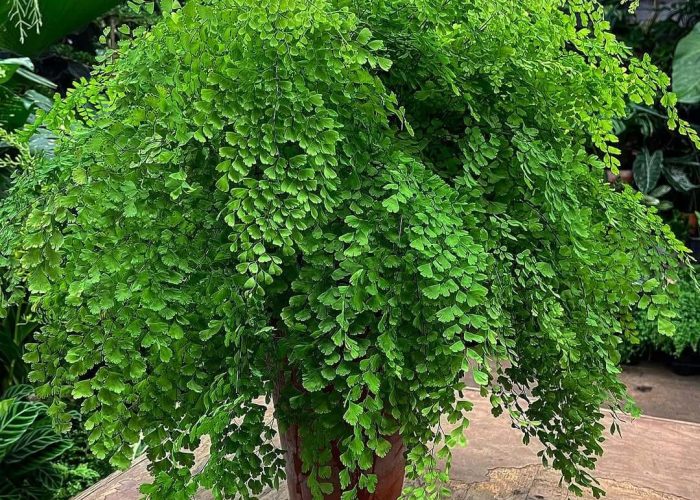
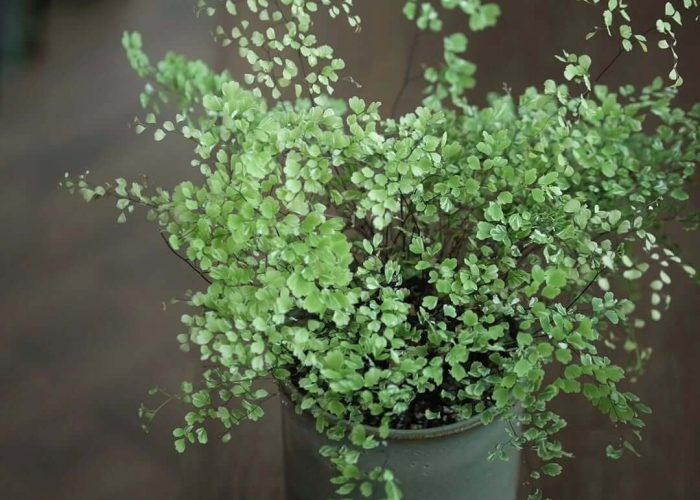
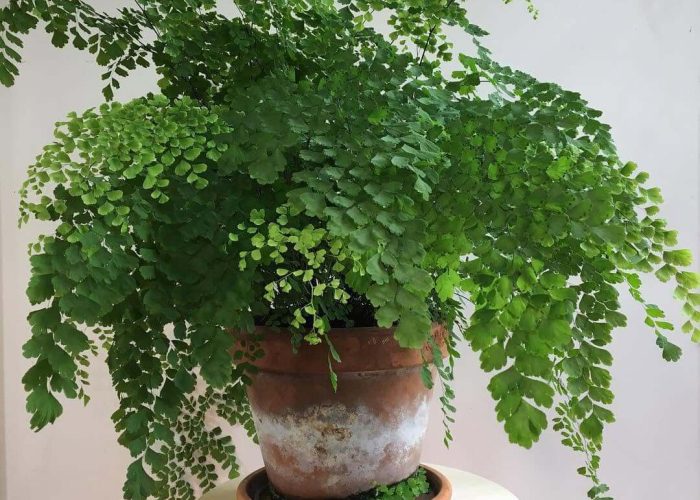
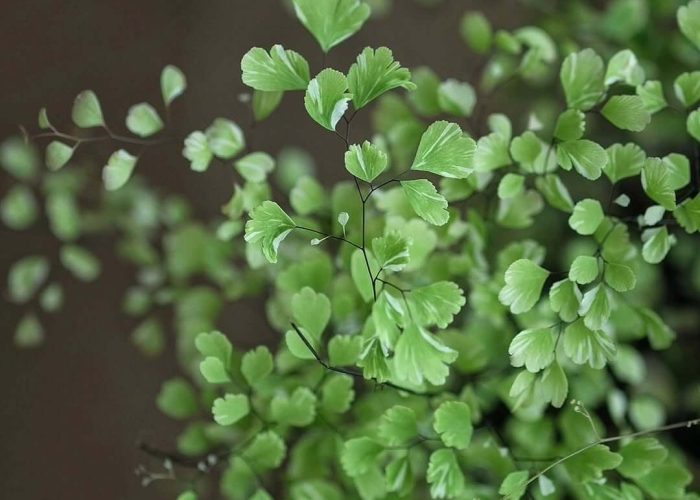
Maidenhair Fern Brown Leaves
Transform Your Garden into a Personal Paradise!
Add Your Heading Text Here
Maidenhair Fern Problem Guide
Maidenhair Fern Brown Leaves
Why Maidenhair Ferns Turn Brown, Get Brown Tips or Develop Crispy Edges
Maidenhair fern brown leaves are usually caused by dry soil, low humidity, harsh direct sun, dry indoor airflow, root stress or nutrient imbalance. Brown tips and brown edges often mean the fern is drying out too often, while pale, weak or yellowing growth can also point to a lack of balanced feeding.
Maidenhair ferns have very fine, moisture-sensitive fronds, so they react quickly when care conditions are not steady. If a maidenhair fern is going brown, check water, humidity, light, drainage and nutrition. Once the plant is stable, feeding with an NPK 16-4-14 indoor plant fertiliser can help correct nutrient imbalance and support fresh green growth.
Why Is My Maidenhair Fern Turning Brown?
A maidenhair fern turns brown when the fronds dry out, humidity is too low, sunlight is too harsh, roots are stressed, or the plant is affected by nutrient imbalance. Improve moisture, humidity and light first, then use an NPK 16-4-14 indoor plant fertiliser to support new healthy fronds.
Dry soil can quickly cause crispy brown fronds. Keep the mix lightly and evenly moist.
Dry indoor air can cause brown tips, brown edges and fronds that collapse.
Direct sun can scorch the delicate foliage and create dry brown patches.
Weak, pale or yellowing growth may need NPK 16-4-14 indoor plant fertiliser.
Why Maidenhair Fern Leaves Go Brown
Maidenhair fern leaves go brown because the plant is highly sensitive to moisture changes. The fronds are thin and delicate, so they dry much faster than the thicker leaves of many indoor plants. Once the potting mix dries out too far, the fronds may brown at the tips, crisp around the edges, or collapse completely.
Low humidity is another major cause. Even when the soil still feels slightly moist, dry air from heaters, air conditioners, fans or hot windows can pull moisture from the fronds. This is why maidenhair ferns often struggle in dry indoor rooms but perform better in bathrooms, kitchens and humid spaces with filtered light.
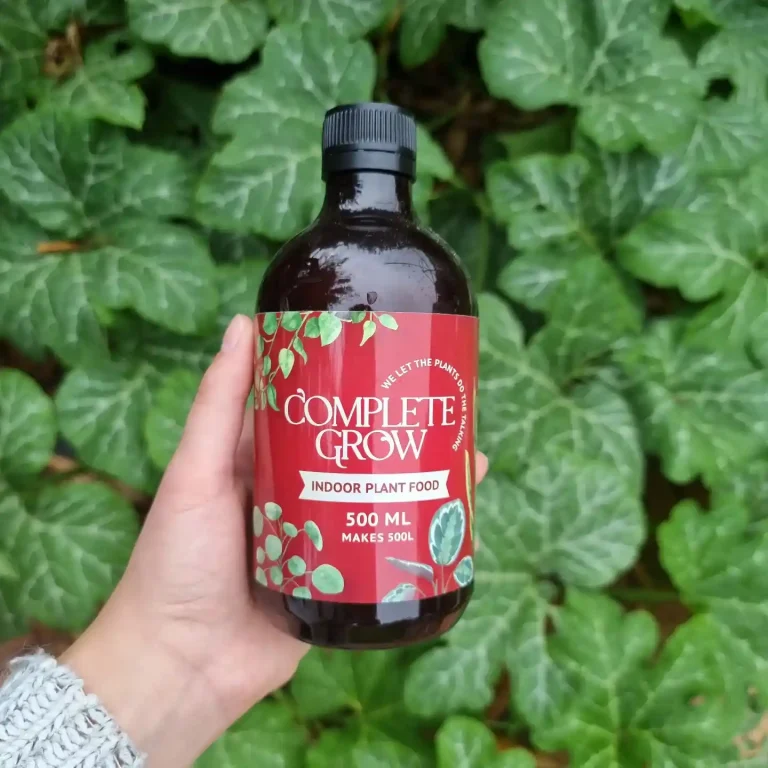
Browning can also come from nutrient imbalance, especially when the plant has not been fed during active growth or has been sitting in the same potting mix for a long time. If the fern is pale, weak, yellowing or slow to produce new fronds, use CompleteGrow Indoor Plant Food Concentrate, an NPK 16-4-14 indoor plant fertiliser, once watering and humidity are corrected.
Maidenhair Fern Brown Tips and Brown Edges
Brown tips and brown edges are the most common maidenhair fern problems. They usually appear when the plant has dried out slightly too often, even if it has not completely collapsed. The tips and edges of the fronds show stress first because they are the finest and most exposed parts of the plant.
- Dry air: Low humidity causes tips and edges to crisp.
- Underwatering: Dry potting mix can quickly brown delicate fronds.
- Hot sun: Direct sunlight can scorch the foliage.
- Dry airflow: Heaters, fans and air conditioners can dry the plant.
- Poor drainage: Waterlogged roots can cause yellowing, weak growth and brown patches.
- Nutrient imbalance: Lack of balanced feeding can cause pale, weak or yellowing fronds.
Brown tips will not turn green again, so the goal is to stop new damage. Move the fern into bright indirect light, keep the potting mix evenly moist, increase humidity and avoid dry airflow. If the plant looks pale or weak, feed lightly with an NPK 16-4-14 indoor plant fertiliser once the fern has stabilised.
Maidenhair Fern Brown Spots
Brown spots on maidenhair fern can appear after water stress, sun scorch, physical damage, poor airflow, root stress or nutrient imbalance. Small dry brown spots are often caused by delicate foliage drying out or being damaged by direct sun. Larger soft or spreading brown areas may suggest the potting mix is staying too wet or the roots are struggling.
Check where the brown spots are appearing. Spots on the side facing a window may suggest sun scorch. Spots with yellowing or weak growth may suggest root stress or nutrient imbalance. Dry spots across many fronds usually point to low humidity or repeated drying.
| Problem | Likely Cause | Best Fix |
|---|---|---|
| Brown tips | Low humidity, underwatering or dry airflow | Increase humidity and keep soil evenly moist. |
| Brown edges | Soil drying out, heat or harsh light | Move to filtered light and water before the mix fully dries. |
| Brown spots | Sun scorch, water stress, damage, poor airflow or root stress | Check light exposure, airflow, watering and drainage. |
| Pale or yellowing growth | Nutrient imbalance, low light or poor root health | Correct care conditions and use NPK 16-4-14 indoor plant fertiliser during active growth. |
| Brown fronds falling off | Severe drying, shock or root stress | Trim damaged fronds and stabilise moisture and humidity. |
How to Save a Maidenhair Fern That Is Going Brown
A browning maidenhair fern can recover if the roots and crown are still alive. The damaged fronds may not recover, but fresh fronds can grow from the base once the plant is placed back into stable conditions.
- Trim fully brown, crispy or dead fronds close to the base.
- Move the plant into bright indirect light.
- Water thoroughly if the potting mix has dried out, then let excess water drain.
- Keep the soil evenly moist after rehydrating.
- Increase humidity with a bathroom position, grouped plants or a humidifier.
- Keep the fern away from heaters, air conditioners, fans and hot windows.
- Use NPK 16-4-14 indoor plant fertiliser once the plant is stable and fresh growth begins.
If the plant has been dry for too long, it may need a full trim back. This can look drastic, but maidenhair ferns can regrow if the root system is still healthy. Once new fronds appear, keep care steady and correct any nutrient imbalance with gentle indoor plant fertiliser.
Fixing Nutrient Imbalance in Maidenhair Fern
Nutrient imbalance can contribute to pale, weak, yellowing or slow maidenhair fern growth. It may also make the plant slower to recover after browning caused by dry soil, low humidity or stress. Indoor ferns in pots gradually lose nutrients through watering, especially when they stay in the same potting mix for a long time.
To help fix nutrient imbalance, use CompleteGrow Indoor Plant Food Concentrate, an NPK 16-4-14 indoor plant fertiliser suited to leafy indoor plants like maidenhair fern. Its nitrogen supports fresh green fronds, while potassium helps overall plant strength and steadier indoor growth.
Apply fertiliser lightly during active growth and only to moist potting mix. Do not overfeed a dry, crispy or severely stressed fern. First correct watering, humidity, light and drainage, then use NPK 16-4-14 indoor plant fertiliser to support healthy new growth.
Maidenhair Fern Brown Leaves FAQ
Why is my maidenhair fern turning brown?
Maidenhair fern usually turns brown because of dry soil, low humidity, harsh direct sun, dry airflow, poor drainage, root stress or nutrient imbalance.
Why does my maidenhair fern have brown tips?
Brown tips are usually caused by low humidity, underwatering, dry indoor airflow, salt build-up, nutrient imbalance or the potting mix drying out too often.
Can nutrient imbalance cause maidenhair fern browning?
Yes. Nutrient imbalance can contribute to pale, weak, yellowing or poor-quality fronds, and it can make the plant slower to recover from browning stress.
What fertiliser fixes nutrient imbalance in maidenhair fern?
An NPK 16-4-14 indoor plant fertiliser is recommended for maidenhair fern because it supports green foliage, root function and stronger indoor growth.
Should I cut off brown maidenhair fern leaves?
Yes. Fully brown or crispy fronds can be trimmed close to the base. This helps the plant look cleaner and allows fresh growth to come through.
Can a brown maidenhair fern come back?
Yes, if the roots and crown are still alive. Trim dead growth, keep the soil evenly moist, increase humidity and feed gently once new fronds begin to emerge.
Recommended Products
- Quick View
- Select options This product has multiple variants. The options may be chosen on the product page
Indoor Plant Food Concentrate Fertiliser 100ml Makes 100 Litres
- Quick View
- Select options This product has multiple variants. The options may be chosen on the product page