
Parlour Palm Brown Leaves
Transform Your Garden into a Personal Paradise!
Add Your Heading Text Here
Parlour Palm Problem Guide
Parlour Palm Brown Tips and Leaves
Why Parlour Palm Leaves Turn Brown, Get Brown Tips or Develop Brown Spots
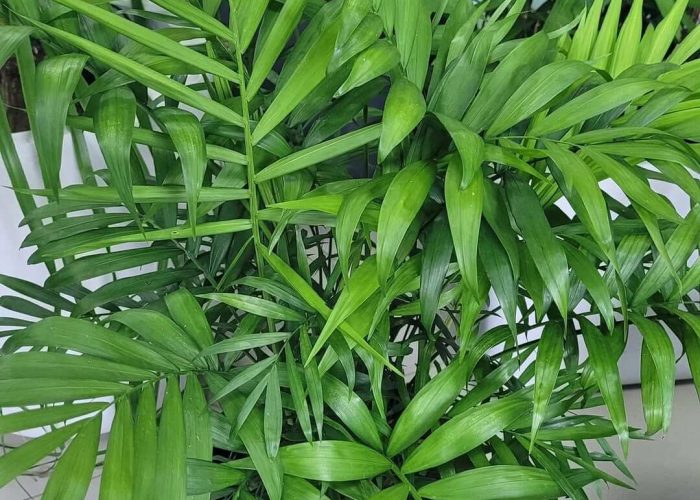
Parlour palm brown tips and brown leaves are usually caused by dry air, underwatering, overwatering, poor drainage, harsh direct sun, salt build-up or nutrient imbalance. Brown tips often point to dry air or inconsistent watering, while brown spots and browning leaves can also come from root stress, sun scorch or depleted potting mix.
Parlour palms are slow-growing indoor palms, so browning can take time to appear and time to correct. Once a leaf tip or frond turns brown, that tissue will not turn green again. The goal is to stop new browning by improving watering, light, humidity, drainage and gentle feeding.
Why Is My Parlour Palm Turning Brown?
A parlour palm turns brown when the fronds are stressed by dry air, inconsistent watering, soggy roots, harsh sun or nutrient imbalance. Move it into bright indirect light, water only when the top layer begins to dry, improve drainage and feed lightly with NPK 16-4-14 indoor plant fertiliser during active growth.
Usually caused by dry air, underwatering, inconsistent watering or salt build-up.
Often linked to root stress, overwatering, underwatering or poor drainage.
Can come from harsh direct sun, leaf damage, pests or stressed foliage.
Pale or weak fronds may need NPK 16-4-14 indoor plant fertiliser.
Why Parlour Palm Leaves Turn Brown
Parlour palm leaves turn brown when the plant is under stress and cannot maintain healthy green foliage. The most common cause is inconsistent moisture. If the soil dries out too often, the leaf tips can turn brown and crispy. If the soil stays wet for too long, the roots can become stressed and the fronds may yellow, brown or weaken.
Dry indoor air is another common reason for brown tips on parlour palm. Heaters, air conditioners, fans and hot windows can dry the frond tips faster than the roots can replace moisture. Parlour palms tolerate average indoor humidity, but very dry air can still cause visible tip burn.
Nutrient imbalance can also contribute to browning, especially when the plant has been in the same potting mix for a long time. If the palm has pale, weak or slow growth as well as browning, use CompleteGrow Indoor Plant Food Concentrate, an NPK 16-4-14 indoor plant fertiliser, once watering and light are corrected.
Parlour Palm Brown Tips
Brown tips on parlour palm are very common indoors. They usually happen when the plant experiences dry air, uneven watering, dry potting mix, fertiliser salt build-up or stress from indoor heating and cooling.
The brown tip itself will not recover, but the plant can still be healthy if the rest of the frond is green. Trim only the dry brown edge if needed, and focus on preventing new tip burn by keeping care conditions more stable.
Parlour Palm Brown Leaves and Brown Spots
Brown leaves are usually a stronger warning sign than brown tips. They can happen when the plant has been underwatered for too long, overwatered repeatedly, exposed to harsh direct sun, or grown in compacted soil with poor drainage.
Brown spots on parlour palm can also come from direct sun damage, physical leaf damage, pest stress or inconsistent watering. If the brown spots appear on the side facing a window, sun scorch may be the cause. If the spots appear with yellowing or soft growth, root stress is more likely.
| Symptom | Likely Cause | Best Fix |
|---|---|---|
| Brown tips | Dry air, underwatering, salt build-up or inconsistent watering | Improve watering consistency, reduce dry airflow and avoid overfeeding. |
| Brown leaves | Root stress, overwatering, underwatering or poor drainage | Check soil moisture and make sure the pot drains freely. |
| Brown spots | Sun scorch, leaf damage, pests or stressed foliage | Move away from direct sun and inspect the leaves closely. |
| Brown with yellowing | Overwatering, poor drainage or root stress | Let the top layer dry slightly and avoid soggy soil. |
| Pale weak fronds | Low light or nutrient imbalance | Move to bright indirect light and feed lightly during active growth. |
How to Stop a Parlour Palm Going Brown
To stop a parlour palm going brown, start by checking the potting mix. If it is dry and pulling away from the pot, the palm needs a more consistent watering routine. If it is wet and heavy, the plant may be overwatered or sitting in poor drainage.
- Move the plant into bright indirect light.
- Keep it away from harsh afternoon sun.
- Water when the top layer of potting mix begins to dry.
- Make sure the pot has drainage holes.
- Empty saucers and cover pots after watering.
- Keep the plant away from heaters, air conditioners and strong dry airflow.
- Trim fully brown or dead fronds close to the base.
- Feed lightly with NPK 16-4-14 indoor plant fertiliser during active growth if growth is pale or weak.
Support Recovery With Indoor Plant Fertiliser
If your parlour palm has pale, weak or slow growth along with browning, nutrient imbalance may be part of the problem. Indoor palms in pots gradually lose nutrients through watering, especially when they have been in the same mix for a long time.
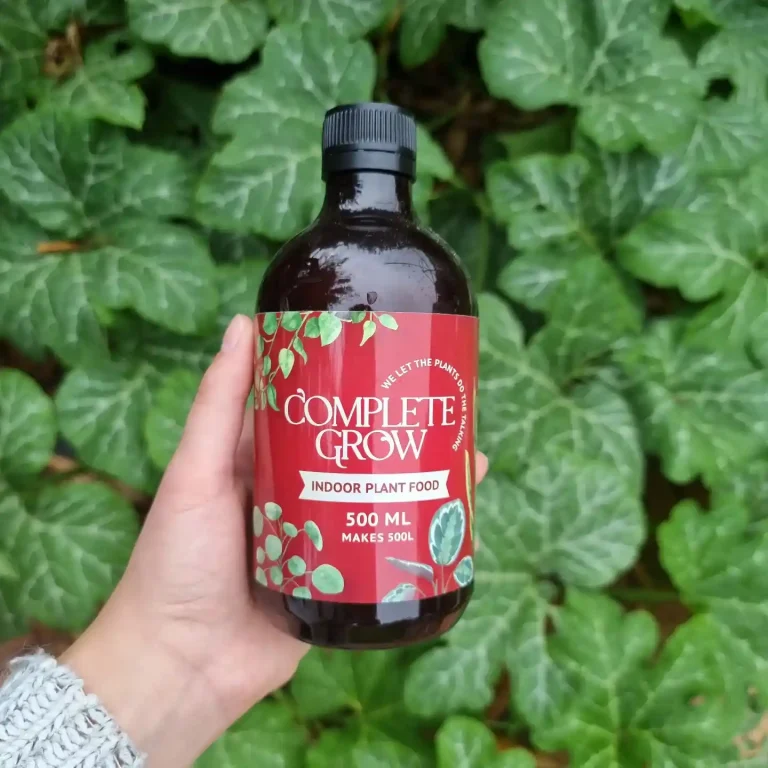
To support healthier green fronds, use CompleteGrow Indoor Plant Food Concentrate, an NPK 16-4-14 indoor plant fertiliser suited to leafy indoor plants like parlour palm.
Apply lightly during active growth and only to moist potting mix. Do not overfeed a stressed, waterlogged or low-light palm.
Parlour Palm Brown Tips and Leaves FAQ
Why does my parlour palm have brown tips?
Brown tips are usually caused by dry air, underwatering, inconsistent watering, salt build-up or indoor heating and cooling stress.
Why are my parlour palm leaves turning brown?
Parlour palm leaves turn brown because of watering stress, poor drainage, harsh direct sun, root stress, dry air or nutrient imbalance.
Should I cut off brown tips on parlour palm?
Yes, you can trim brown tips carefully with clean scissors. Do not cut too far into healthy green tissue.
Should I remove brown parlour palm leaves?
Fully brown or dead fronds can be removed close to the base. Keep mostly green fronds if they are still helping the plant grow.
Can nutrient imbalance cause parlour palm browning?
Yes. Nutrient imbalance can contribute to pale, weak or slow growth, which can make the palm less resilient and slower to recover from stress.
What fertiliser helps parlour palm recover?
An NPK 16-4-14 indoor plant fertiliser is recommended during active growth to support healthy green fronds and stronger indoor foliage.
Recommended Products
- Quick View
- Select options This product has multiple variants. The options may be chosen on the product page
Indoor Plant Food Concentrate Fertiliser 100ml Makes 100 Litres
- Quick View
- Select options This product has multiple variants. The options may be chosen on the product page