



No products in the cart.
Bloom Feeding Guide
What a Bloom Fertiliser Actually Does (And When to Switch)
A clear guide to what bloom fertiliser is really for, when to start using it, and why the right timing usually improves flowering and fruiting more than simply feeding harder.
Quick switch guide
1
Use a balanced feed while plants build roots and leaf structure.
2
Switch when buds form or first flowers appear.
3
Stay consistent through flowering and fruit set.
A bloom fertiliser helps plants shift from leafy growth into flowering and fruiting growth. That is its real job. It does not magically force flowers on its own, but it gives plants a more suitable nutrient profile as they move into bud formation, flowering, and fruit set.
Many gardens stay green and healthy-looking but still underperform at harvest time. Plants keep producing leaves, stems keep stretching, and growth looks active, yet flowering is patchy or fruit size is disappointing. In most cases, the issue is not a lack of fertiliser. It is feeding the wrong ratio for the stage.
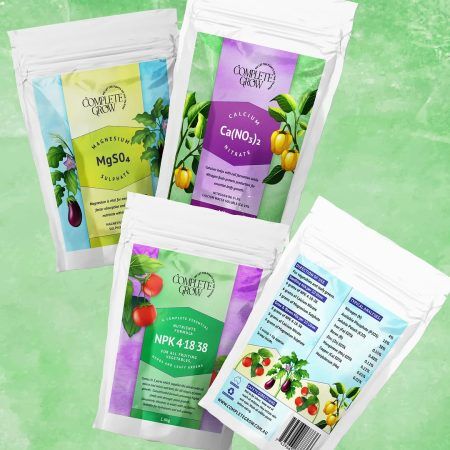
That is where bloom fertiliser becomes important. Instead of pushing excess leafy growth, it supports the reproductive stage of the plant. CompleteGrow’s Advanced Formula NPK 4-18-38 + Calcium & Magnesium is designed for this phase and works especially well once plants begin moving into bud, bloom, and early fruit development.
Flowering support Fruiting stage nutrition Calcium + magnesium included Ideal for tomatoes
1
It helps plants stop over-focusing on leaves
When nitrogen stays too high too late, plants often keep producing soft leafy growth instead of committing energy to flowers and fruit. A bloom fertiliser helps rebalance that pattern so the plant can transition properly into the next stage.
2
It supports stronger flower production
Bloom-stage nutrition matters before and during flowering. Bud formation, flowering consistency, and flower retention all improve when the plant has a steady nutrient supply matched to this stage rather than occasional feeding spikes.
3
It improves fruit set and fruit fill
After pollination, nutrient demand changes again. The plant now needs support for fruit set, sizing, and steady development. Bloom fertiliser helps carry the crop through this stage instead of stalling after the first flush of flowers.
4
It keeps bloom performance more stable
CompleteGrow’s 4-18-38 formula also includes calcium and magnesium, which helps support structure and leaf function while plants are flowering and fruiting. That extra support matters in high-demand crops and fast-growing conditions.
Best timing
Switch at bud formation or first flowers, not weeks after flowering has already started.
Best plant types
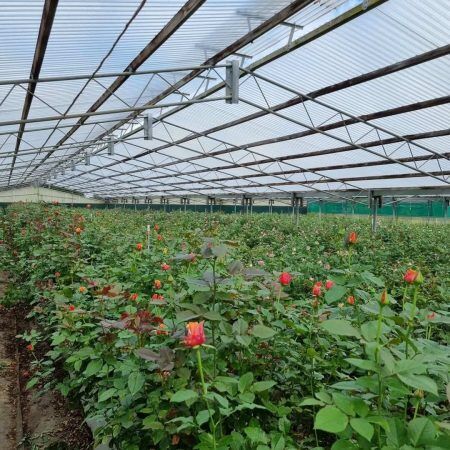
Tomatoes, strawberries, chillies, capsicum, cucumbers, berries, and flowering ornamentals.
Best approach
Match feeding to the growth stage instead of using one formula the whole season.
Simple takeaway:
A bloom fertiliser is not just “more fertiliser”. It is a stage-specific feeding strategy. The biggest gains usually come from switching at the right time, then feeding consistently through flowering and fruit development.
A bloom fertiliser is not just “more fertiliser”. It is a stage-specific feeding strategy. The biggest gains usually come from switching at the right time, then feeding consistently through flowering and fruit development.
When to Switch to a Bloom Fertiliser for the Best Results
The timing of the switch matters just as much as the formula itself. Switching too early can slow healthy plant development. Switching too late usually means flowering has already started under the wrong nutrient profile, which can reduce flower retention and fruit quality.
A reliable approach is to use a balanced feed while the plant is building its roots and canopy, then move to bloom nutrition when buds or the first flowers appear. This staged method works extremely well across most fruiting crops and flowering plants.
1
Early growth stage: build the plant first
This is the stage for roots, stems, and leaf mass. A balanced fertiliser is usually the best fit here because it helps establish the structure needed to support flowers later.
For this phase, All Purpose NPK 20-20-20 is a strong option because it supports even growth without locking the program into a bloom-heavy ratio too early.
Roots Leaves Canopy build
2
Pre-flower stage: buds form and growth starts to shift
This is the best switching window. The plant is no longer just growing leaves. It is preparing to flower, and nutrient demand begins changing quickly.
Moving to a bloom fertiliser at this point gives the plant the right support before flowering demand peaks. This is exactly where CompleteGrow Advanced Formula NPK 4-18-38 + Calcium & Magnesium fits in.
Bud sites First blooms Best time to switch
3
Flowering and fruit set: stay consistent
Once flowers open and fruit starts setting, consistency becomes the priority. Constantly changing products or dramatically increasing doses usually creates more problems than it solves.
Steady bloom feeding supports flower retention, fruit set, and early fruit development. This is especially important for crops like tomatoes where feeding inconsistency often shows up quickly.
Flower retention Fruit set Steady feeding
4
Fruit fill and finish: support quality, not just growth
As fruit develops, the plant is now using nutrients to size and finish the crop. This is where bloom nutrition helps keep fruit development more even and reduces the “all leaves, poor harvest” problem.
For more ratio guidance around fruiting plants, this article is a useful companion read: NPK for Fruit Trees: Best Fertiliser Ratios.
Fruit sizing Crop quality Harvest support
Tomatoes are a perfect example
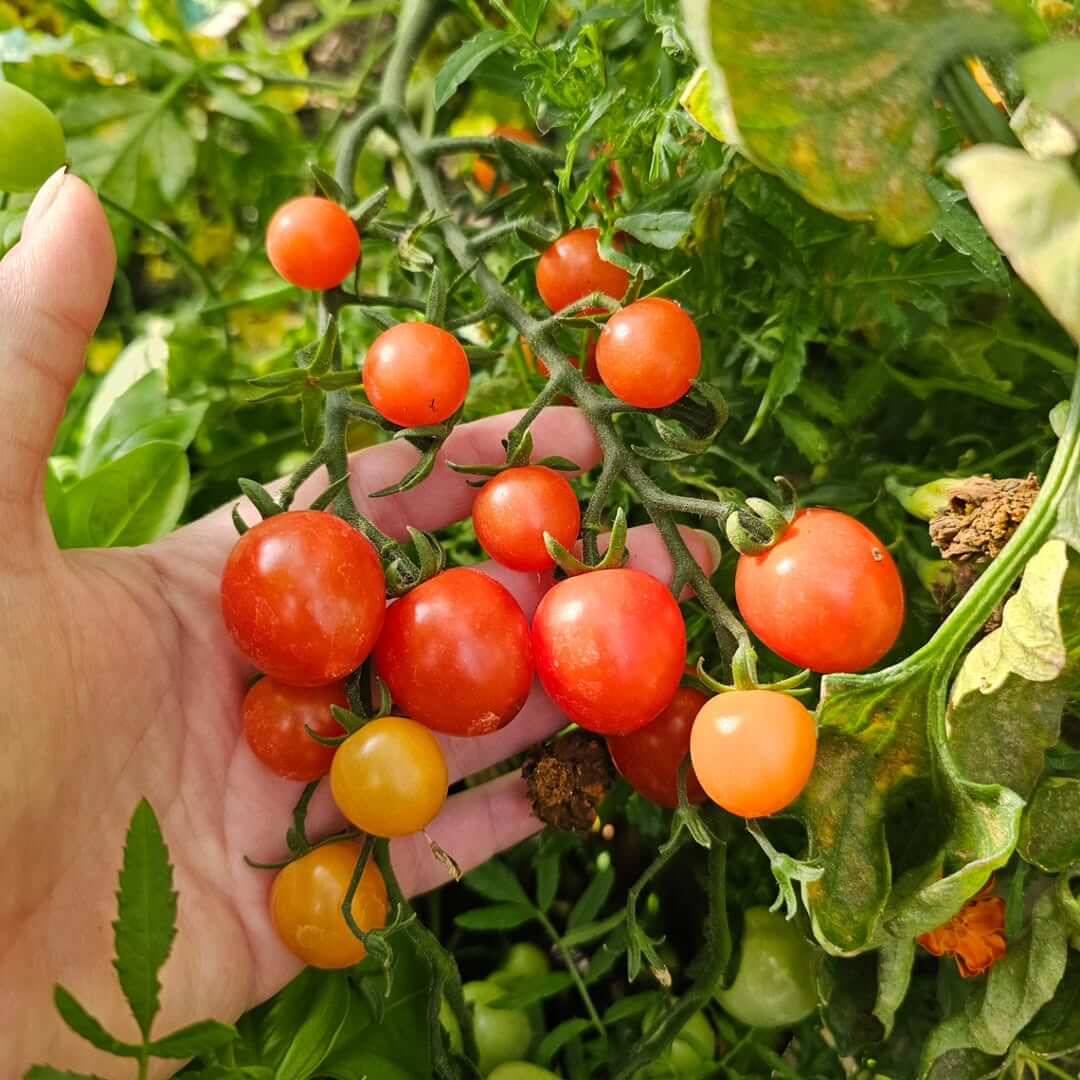
Tomatoes usually respond extremely well to a staged feeding approach. Balanced nutrition early, then a bloom fertiliser at flower set, tends to produce stronger flowering and better fruiting than staying on a single formula all season. For a crop-specific breakdown, see the tomato fertiliser guide.
Why this works better than “feeding harder”
Most flowering and fruiting issues are not solved by simply increasing dose. The better fix is usually matching nutrition to the plant’s current stage. Bloom fertiliser is a timing tool as much as a product choice.
Practical switching rule:
Use a balanced fertiliser while the plant is building leaves and structure. Switch to bloom fertiliser when buds or first flowers appear, then continue consistently through flowering and fruit set.
Use a balanced fertiliser while the plant is building leaves and structure. Switch to bloom fertiliser when buds or first flowers appear, then continue consistently through flowering and fruit set.
How to Use Bloom Fertiliser Properly and Avoid the Common Mistakes
Bloom fertiliser works best as part of a simple staged feeding plan. The strongest results usually come from doing the basics well: correct timing, steady feeding, and consistent watering. Most disappointing outcomes happen when the plant is switched too early, fed too heavily, or pushed through bloom with irregular watering.
A practical bloom formula for flowering and fruiting crops
CompleteGrow Advanced Formula NPK 4-18-38 + Calcium & Magnesium is designed for the bloom and fruiting stage, with a ratio built to support flowering, fruit set, and fruit development while still providing calcium and magnesium support for plant performance.
Why it suits bloom phase feeding
It shifts away from heavy vegetative-style feeding and supports the nutrient demand that increases once flowers and fruit start forming.
Why calcium + magnesium matter here
Flowering and fruiting plants still need structural and leaf-function support. Including calcium and magnesium helps keep growth steadier under higher demand.
Best use case
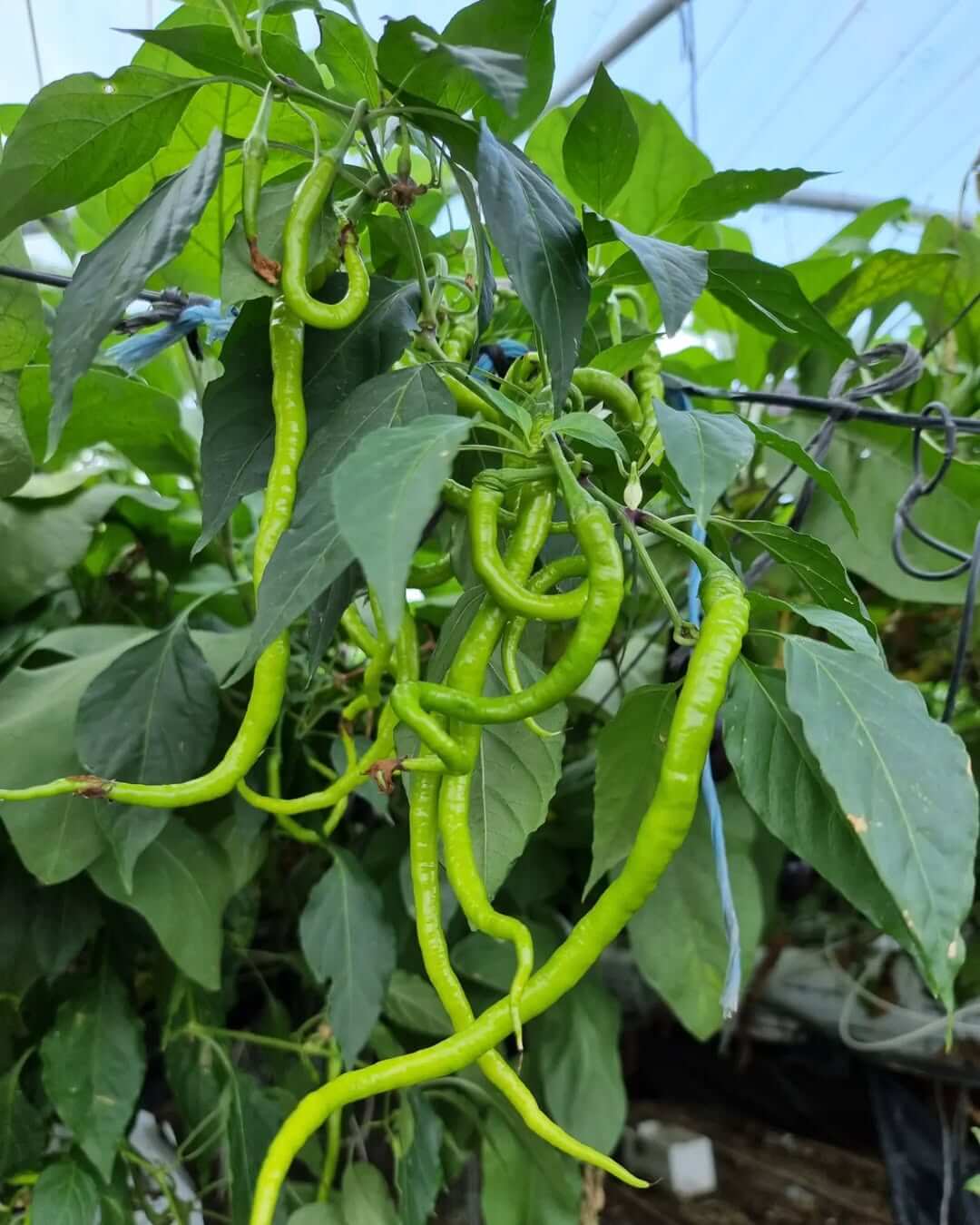
Tomatoes, strawberries, chillies, capsicum, cucumbers, and other flowering or fruiting crops once buds or first flowers appear.
Mistake 1: Switching too early
Bloom feeding before the plant builds enough leaf and root structure can limit performance later. The plant still needs a strong foundation first.
Mistake 2: Increasing the dose too quickly
Overfeeding during bloom often causes more stress than benefit. Consistent applications are usually better than chasing fast results with heavier mixes.
Mistake 3: Treating bloom fertiliser like a rescue product
Bloom fertiliser improves flowering and fruiting when used at the right stage. It is not a cure-all for poor watering, root damage, or severe plant stress.
A simple flow that works well in most gardens is: use a balanced feed during early growth, switch to bloom fertiliser as buds form, then stay consistent through flowering and fruit set. For many fruiting plants, this alone can noticeably improve results across the season.
Best routine in one line:
Build the plant first, switch at first buds, feed consistently through bloom and fruit set, and avoid over-correcting with stronger mixes.
Build the plant first, switch at first buds, feed consistently through bloom and fruit set, and avoid over-correcting with stronger mixes.
Bloom Fertiliser FAQ
What does a bloom fertiliser do?
A bloom fertiliser supports flowering, flower retention, fruit set, and fruit development by giving plants a nutrient ratio that suits the reproductive stage rather than leafy growth.
When should bloom fertiliser be used?
The best time is when buds begin forming or when the first flowers appear. That is usually the ideal transition point from a balanced growth feed.
Can bloom fertiliser be used on tomatoes?
Yes. Tomatoes are one of the best examples of a crop that benefits from bloom-stage feeding. Switching at flowering often improves fruit set and more even fruit development.
Should a balanced fertiliser still be used?
Yes, early in the season. Balanced fertiliser is usually the better choice during root and canopy development, then bloom fertiliser becomes the better option once flowering starts.
Why include calcium and magnesium in a bloom fertiliser?
Flowering and fruiting plants still need strong tissue development and healthy leaf function. Calcium and magnesium help support stability and performance while demand is high.
What is the easiest feeding strategy for home growers?
Use a balanced feed during early growth, switch to a bloom fertiliser at first buds or flowers, and keep watering and feeding consistent through the fruiting stage.
Sale! 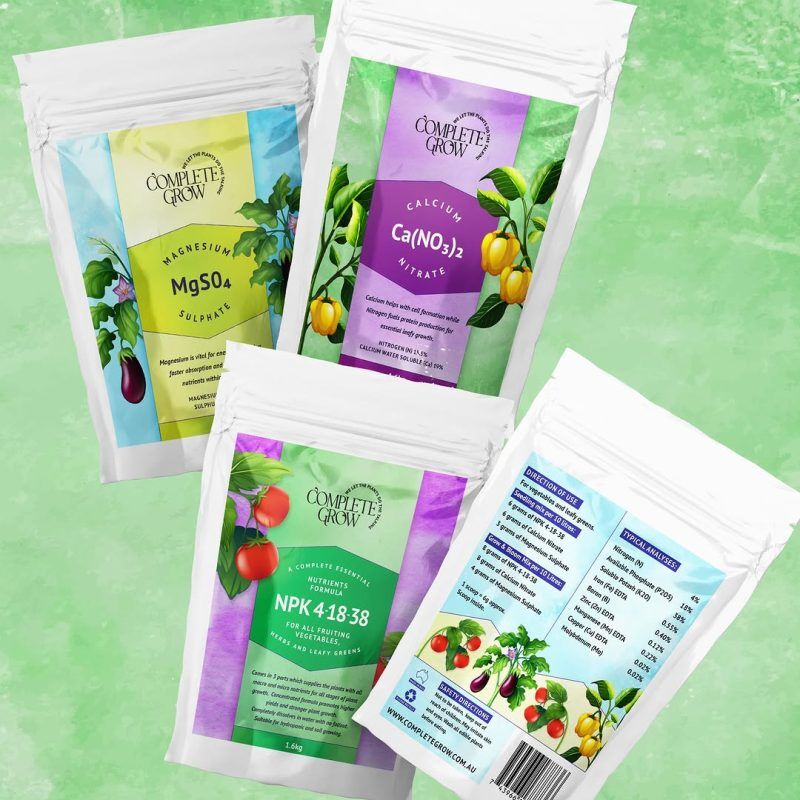


- Quick View
- Select options This product has multiple variants. The options may be chosen on the product page
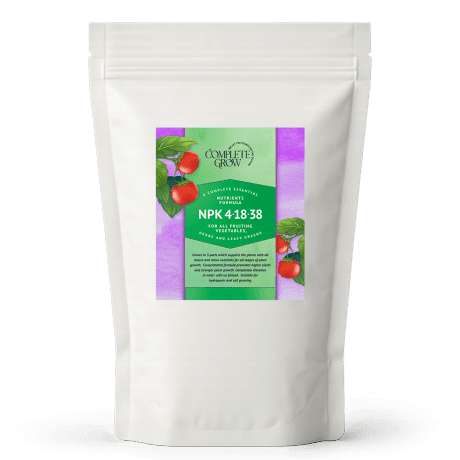
Advanced Formula – Boost Flowering & Fruiting – NPK 4-18-38 + Calcium & Magnesium
$39.90 – $387.00Price range: $39.90 through $387.00