
Mineral Fertiliser Does Not Deserve Its Bad Reputation
Organic fertiliser gets treated like the hero of gardening.
Mineral fertiliser gets treated like the villain.
That has never made much sense.
The truth is, mineral fertiliser is not some strange artificial substance that plants hate. It supplies the same essential nutrients plants already need to grow: nitrogen, phosphorus, potassium, calcium, magnesium, sulfur and trace elements.
A plant does not care whether its potassium started in compost, manure, seaweed or a mineral fertiliser. It only matters whether that nutrient is available in a form the plant can actually use.

Plants do not grow from labels. They grow from nutrients.
Organic Fertiliser Is Not Magic
Organic fertiliser sounds better because the word “organic” feels natural.
But “organic” does not automatically mean stronger growth, better flowering or healthier plants.
Organic fertilisers usually need to break down first. Soil microbes have to convert many of those nutrients into plant-available forms. That process depends on moisture, temperature, microbial activity and time.
If the soil is cold, dry, tired, compacted or low in biology, nutrient release can be slow and unpredictable.
That means the plant may be hungry even though you technically added fertiliser.
This is especially common in pots and potting mixes. A potted plant does not have a huge living soil system to draw from. It has a limited root zone, limited nutrients and limited space.
If nutrition is not supplied properly, growth suffers.
Mineral Fertiliser Is More Natural Than People Think
Soil itself is mineral.
A healthy soil is not just “organic matter”. In fact, a common ideal soil model is around 45% mineral matter, 5% organic matter and 50% pore space for air and water.
That means the mineral part of soil is usually far larger than the organic matter part.
Plants evolved growing in mineral soils. Their roots absorb mineral ions from the soil solution. Nitrogen, phosphorus, potassium, calcium, magnesium and trace elements are not foreign to plants. They are the building blocks of plant life.
Mineral fertiliser simply supplies those nutrients in a more available and controlled way.
That does not make it bad.
It makes it useful.
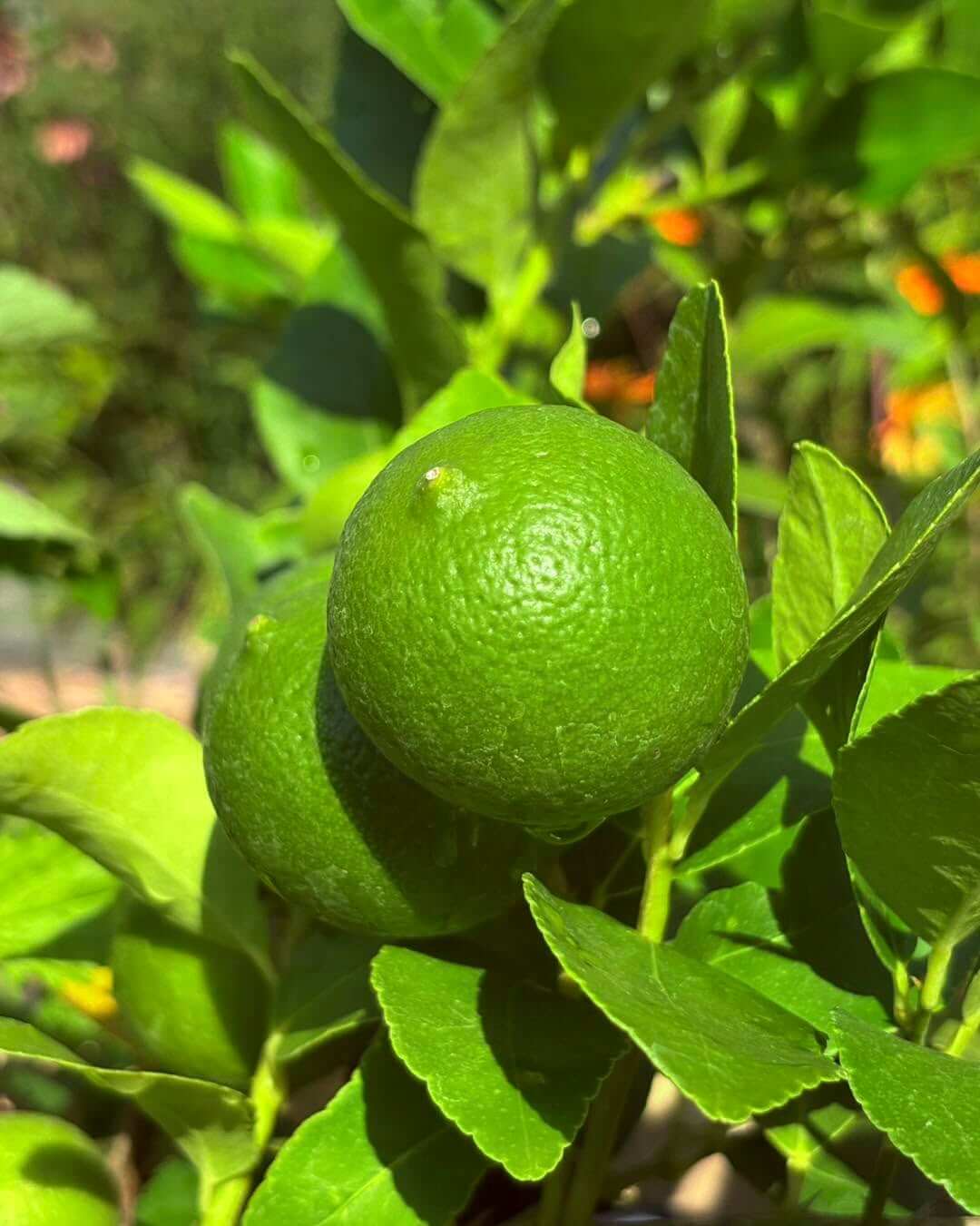
The soil under your plants is already built from mineral particles.
The Reality Behind the Labels
Organic fertiliser sounds softer, but mineral fertiliser often gives the grower more control.
| Claim | Organic Fertiliser Reality | Mineral Fertiliser Reality |
|---|---|---|
| “Natural” | Can be natural, but still variable, slow and inconsistent. | Supplies the same essential nutrients plants absorb from soil. |
| Speed | Often needs microbial breakdown before nutrients become available. | Designed to provide nutrients in available forms. |
| Control | Harder to know exactly what the plant receives and when. | Easier to measure, dose and repeat. |
| Strength | Often lower in nutrient concentration. | More concentrated and efficient for targeted feeding. |
| Best use | Improving soil structure and supporting soil biology. | Feeding plants with accurate mineral nutrition. |
| Pots | Can be unreliable because pots have limited biology and root space. | Reliable because nutrition is supplied directly to the plant’s limited root zone. |
| Commercial growing | Useful in some systems, but harder to rely on alone at scale. | Used widely because consistency, yield and timing matter. |
Growers use mineral fertiliser because consistency matters.
The Problem With the “Natural Is Always Better” Mindset
Natural does not always mean better.
Manure is natural, but it can be inconsistent.
Compost is natural, but it can be low in nutrients.
Blood and bone is natural, but it does not always provide the balance your plant actually needs.
Seaweed is natural, but it is not a complete fertiliser on its own.
Organic inputs can be useful, but they are not automatically better plant food.
The biggest issue is control.
With many organic fertilisers, you often do not know exactly how much nutrition the plant is getting or when it will become available. That might be fine for general soil improvement, but it is not ideal when a plant is actively growing, flowering, fruiting or showing deficiency symptoms.
Organic is often soil support
Compost and organic matter can improve structure, moisture holding and microbial activity. That is useful, but it is not the same as precise feeding.
Mineral is plant nutrition
Mineral fertiliser gives plants the nutrients they need in a more measurable and available form, especially when growth needs to be corrected quickly.
A yellowing citrus tree does not need a vague promise of nutrition later.
A hungry tomato plant does not need guesswork.
A potted indoor plant does not need a product that may or may not release enough nutrients depending on conditions.
It needs available nutrition.
Mineral Fertiliser Gives Plants What They Need
Mineral fertiliser is about precision.
You can choose the right nutrient balance for the plant.
You can apply the correct strength.
You can feed when the plant actually needs it.
That is why mineral fertilisers are used so widely by farmers, nurseries, hydroponic growers and commercial producers. Commercial growers cannot rely on hope. They need repeatable results.
They need plants to grow consistently.
They need deficiencies corrected quickly.
They need flowering and fruiting supported properly.
They need nutrition that can be measured.
That is where mineral fertiliser performs.
Organic Fertiliser Can Help Soil. But It Is Not Always Better Fertiliser.
Organic matter is useful.
Compost, mulch and manure can help improve soil structure, moisture holding and microbial activity. That matters, especially in garden beds.
But soil improvement and plant feeding are not exactly the same thing.
That is the difference.
A gardener can use compost to improve soil and still use mineral fertiliser to supply proper nutrition. Those two ideas do not fight each other. In many gardens, they work well together.
The mistake is thinking organic fertiliser is always better simply because it sounds more natural.

In pots, the plant only has what you give it.
Why Mineral Fertiliser Gets Blamed Unfairly
Mineral fertiliser usually gets criticised because people imagine it as harsh, artificial or damaging.
But the problem is not mineral fertiliser itself.
The problem is misuse.
- Too much fertiliser can cause issues.
- Poor application can cause nutrient runoff.
- Feeding without understanding plant needs can waste product.
- Using the wrong formula can give the wrong growth response.
But that applies to organic fertiliser too. Overusing manure, compost or organic blends can also overload soil with nutrients, salts or phosphorus.
Any fertiliser can be used badly.
That does not make fertiliser bad.
It means it should be used correctly.
A quality mineral fertiliser, applied at the right rate, gives plants the nutrients they need without the guesswork.
CompleteGrow’s View
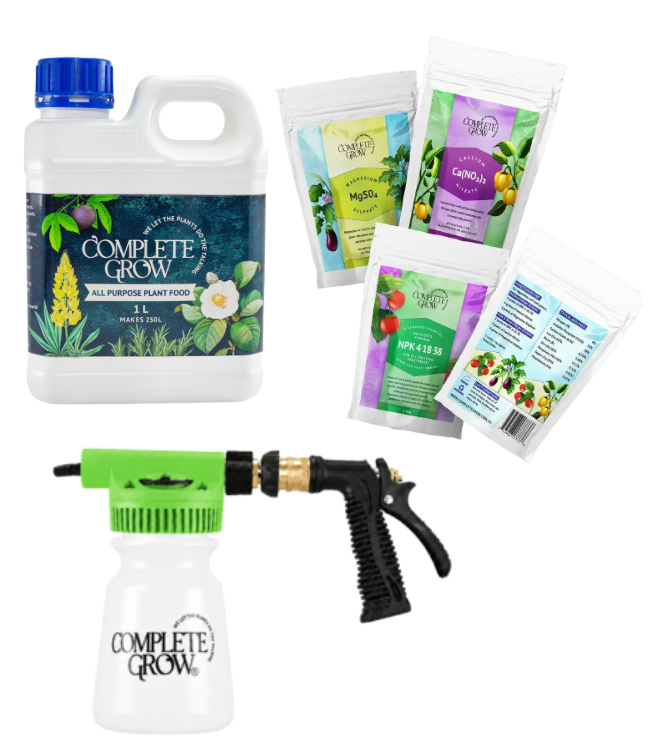
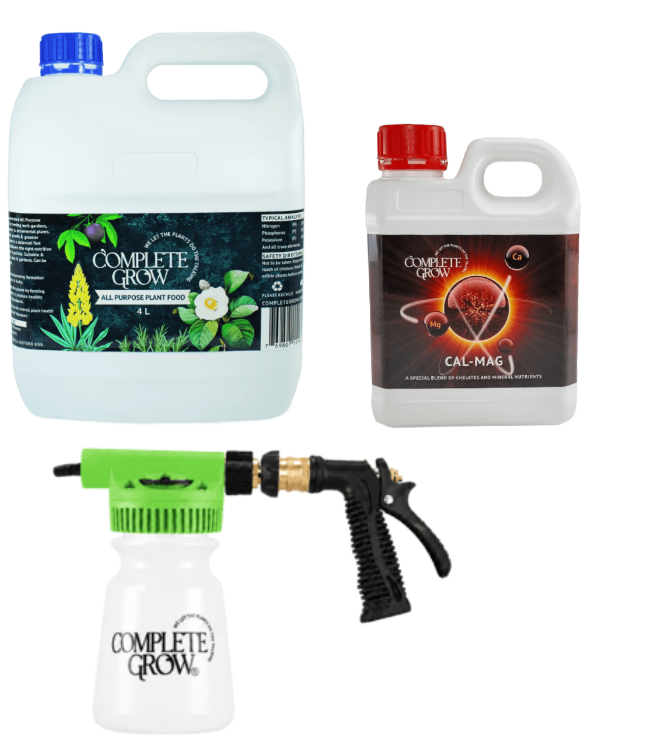
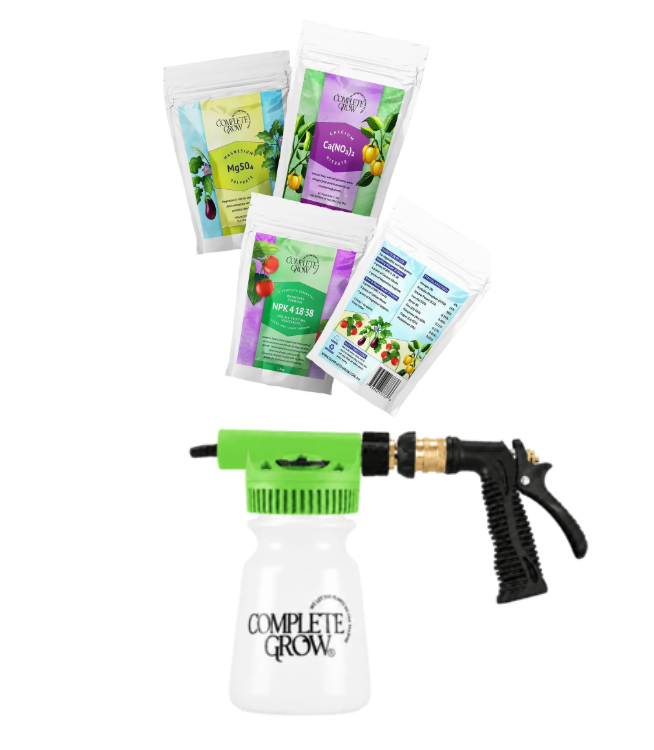
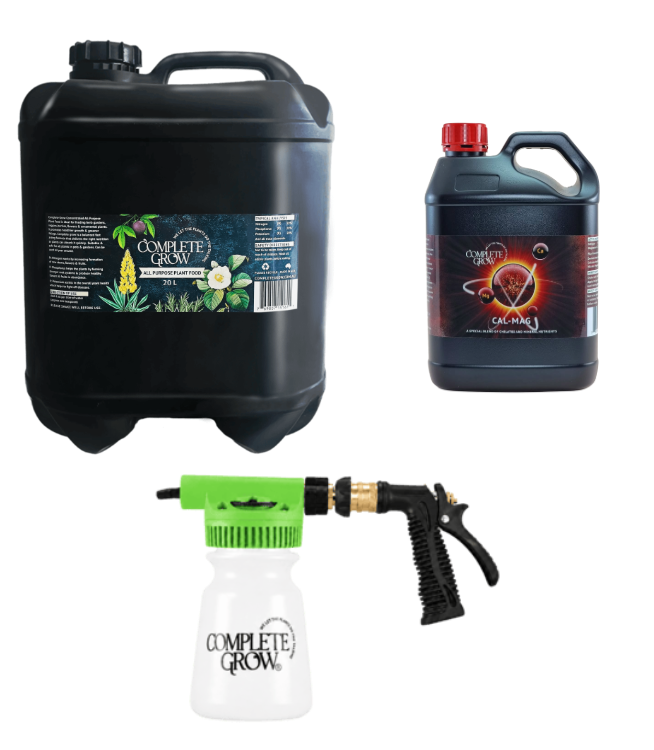
At CompleteGrow, we do not believe mineral fertiliser deserves its bad reputation.
Plants need nutrients.
Mineral fertiliser delivers those nutrients clearly, efficiently and reliably.
It is not about choosing “chemical” over “natural”. It is about understanding what plants actually absorb and how they grow best.
For home gardeners, that means better control, stronger growth, healthier colour, improved flowering, better fruiting and fewer confusing deficiency problems.
The Bottom Line
Organic fertiliser is not useless.
But it is not magic.
And mineral fertiliser is not the enemy.
Mineral nutrients are part of nature. Soil is mineral. Plant nutrition is mineral. And the nutrients inside a good mineral fertiliser are the same essential nutrients plants rely on to grow.
So the next time someone says mineral fertiliser is “unnatural”, remember this:
CompleteGrow gives your plants nutrients they can actually use.
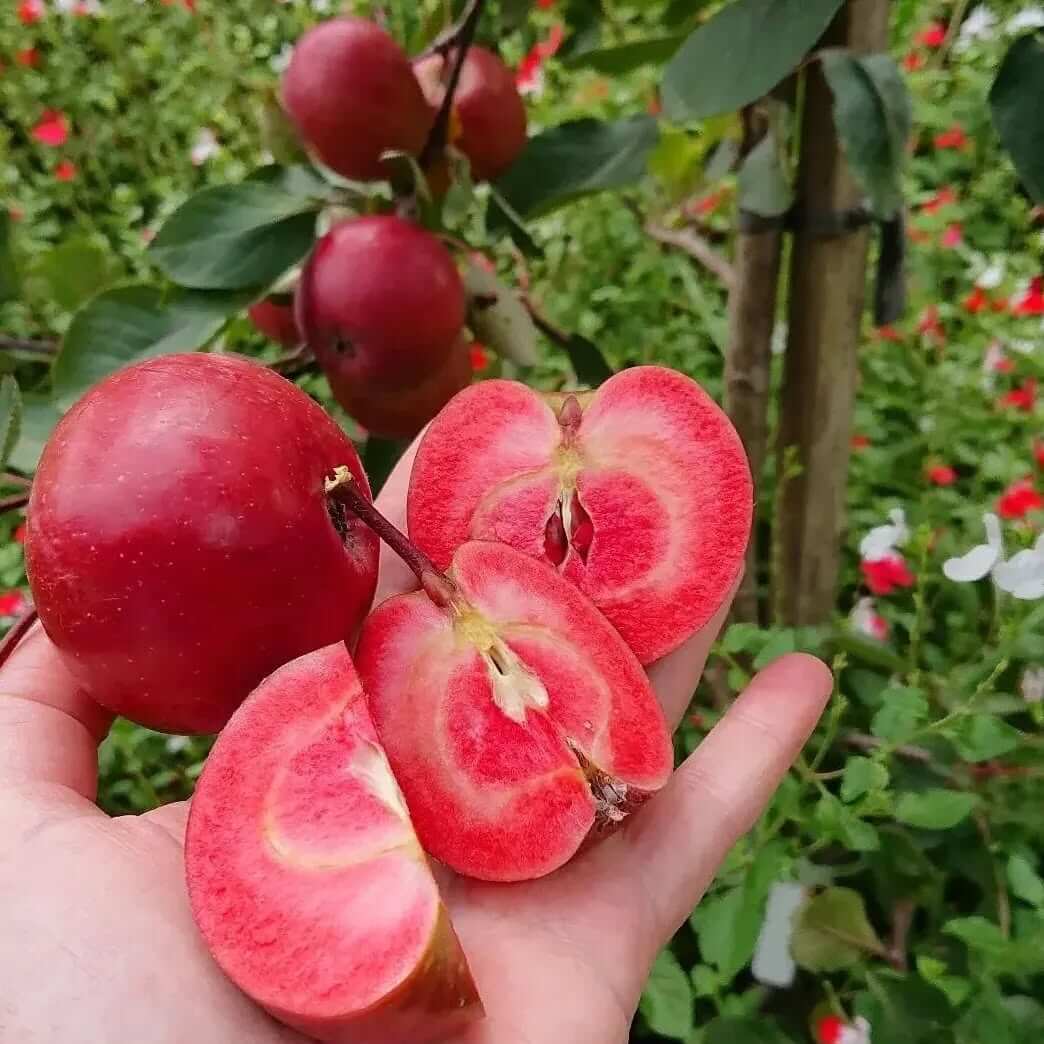
Feed your plants with nutrients they can actually use.
Feed your plants with nutrients they can actually use.
CompleteGrow mineral fertilisers are made for gardeners who want stronger growth, better colour, healthier plants and more reliable results without the guesswork.
Shop CompleteGrow Fertilisers