
Why Your Cactus Is Not Flowering
If your cactus is not flowering, the most common reasons are not enough light, no seasonal rest, wrong watering, immaturity, or the wrong fertiliser. Cacti can survive tough conditions, but flowering takes more than survival. The plant needs enough energy, the right season, and the correct care cycle.
Many cactus plants grow for years without blooming because they are kept warm, shaded, overwatered, or fed like regular leafy plants. The goal is to help the cactus grow strong without pushing soft growth.
A low nitrogen cactus fertiliser with higher phosphorus and potassium can support roots, strength and flowering during the active growing season.
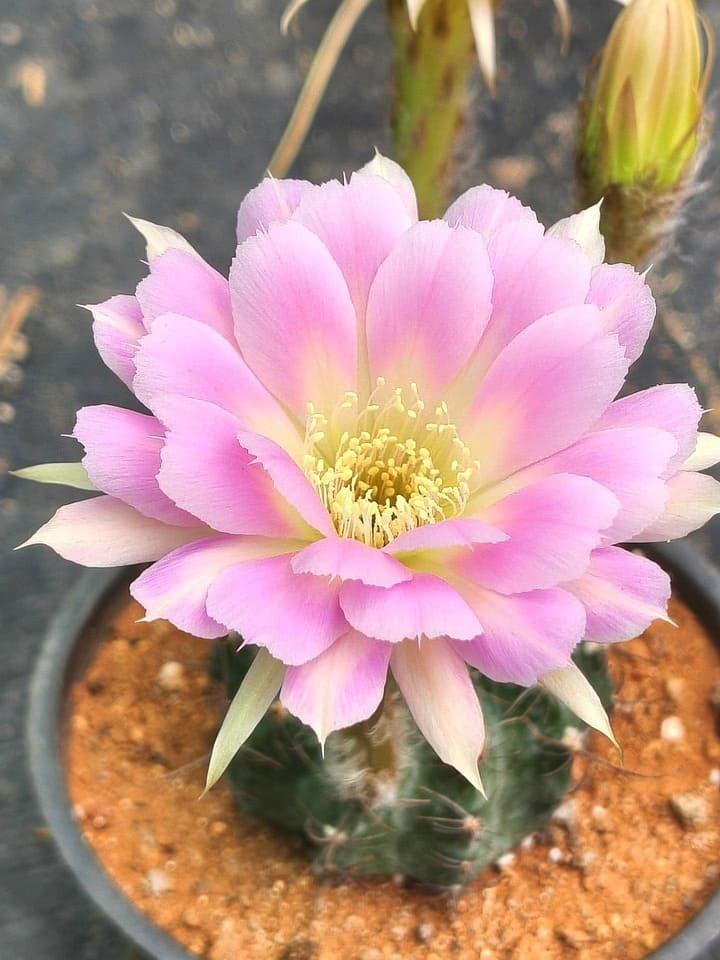
Flowering starts with strong light, seasonal rhythm and the right feeding routine.
Quick Answer: Why Is My Cactus Not Blooming?
Your cactus may not be blooming because it is not receiving the right combination of light, maturity, seasonal rest, watering and nutrition.
Cactus flowers are usually produced when the plant has enough stored energy and the season tells it that conditions are right. If the plant is kept in low light, watered too often, fed too heavily, or kept warm all year, it may keep surviving but never flower.
The most common reasons include:
- Not enough bright light or direct sun
- No cool or dry seasonal rest period
- The cactus is still too young to flower
- Too much nitrogen fertiliser
- Overwatering or poor drainage
- Repotting stress or oversized pots
- Wrong season for that cactus variety
- Indoor conditions that are too warm and too dark
1. Your Cactus Is Not Getting Enough Light
Low light is one of the biggest reasons a cactus will not flower. A cactus can stay alive in a bright room but still not receive enough energy to produce blooms.
Indoors, place desert cacti close to the brightest window available. Outdoors, many cactus plants perform best with strong morning sun, bright filtered light, or direct sun depending on the variety and climate.
If the plant has been indoors or shaded for a long time, increase light gradually. Sudden harsh sun can scorch cactus stems, especially in hot Australian conditions.
2. Your Cactus Has Not Had a Seasonal Rest
Many cactus varieties need a seasonal rhythm. They grow during warmer months and slow down during cooler months. This rest period helps the plant prepare for the next growth and flowering cycle.
If a cactus is kept warm, watered heavily and fed all year, it may never receive the seasonal signal it needs to bloom.
In cooler months, reduce watering and stop or reduce fertilising. Keep the plant bright, dry and protected from frost.

Use low nitrogen with higher phosphorus and potassium
CompleteGrow Cactus & Succulent Plant Food uses a 2-7-7 NPK ratio made for cactus, succulents, jade and aloe.
The low nitrogen helps avoid overfeeding soft growth, while the higher phosphorus and potassium support roots, flowering, structure and plant resilience.
View Cactus FertiliserWhy a Cactus Will Not Flower
Use this table to diagnose the most likely reason your cactus is not blooming.
| Cause | What It Looks Like | What to Do |
|---|---|---|
| Not enough light | No flowers, weak growth, leaning or stretching toward a window. | Move into brighter light gradually and rotate the pot regularly. |
| No rest period | The plant grows slowly all year but never forms buds. | Reduce watering and feeding in cooler months while keeping the plant bright. |
| Too much nitrogen | Soft growth, stretched stems, healthy-looking plant but no blooms. | Switch to a low-nitrogen cactus fertiliser such as CompleteGrow 2-7-7. |
| Overwatering | Soft base, yellowing, weak roots, no flowering and possible rot. | Let the mix dry properly and use a free-draining cactus mix. |
| Too young | Healthy cactus but no flowers despite good care. | Be patient. Some cactus varieties need maturity before flowering. |
| Repotting stress | Plant stops blooming after repotting or moving position. | Allow time to settle and avoid oversized pots that hold too much moisture. |
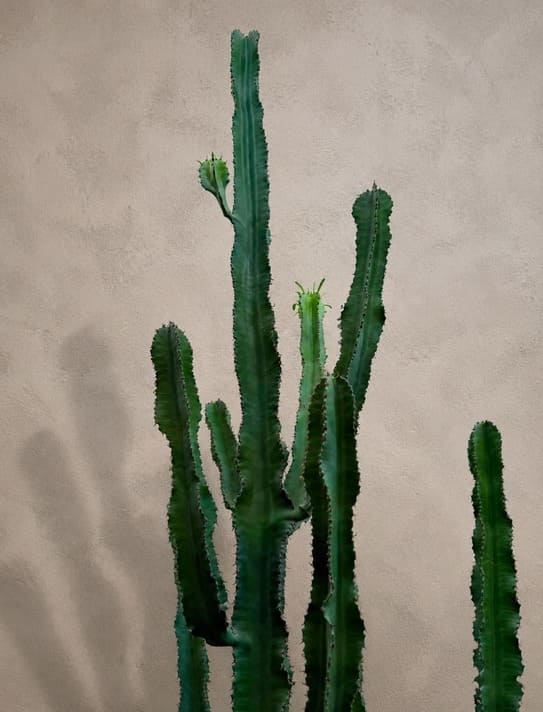
A cactus needs enough light and strength before it can reliably bloom.
3. Your Cactus Is Getting Too Much Nitrogen
Nitrogen supports growth, but too much nitrogen can push the wrong type of growth for cactus plants. Instead of supporting compact strength and flowering, high nitrogen can encourage softer growth.
This is why regular all-purpose fertiliser is not always the best choice for cactus. Many general fertilisers are designed for faster-growing leafy plants, not slow-growing dry-climate plants.
A cactus that receives too much nitrogen may look like it is growing, but it can fail to flower because the feeding balance is wrong.
4. Your Cactus Is Being Watered Too Often
Overwatering is another common reason cactus plants fail to flower. Wet roots can weaken the plant, reduce oxygen around the root system, and increase the risk of rot.
A cactus under root stress will prioritise survival, not flowering. Always let the potting mix dry before watering again.
The pot should have drainage holes, and the mix should be gritty and free draining. Fertiliser helps feed the plant, but drainage protects the roots.
5. Your Cactus May Be Too Young to Flower
Some cactus plants simply need time. Depending on the variety, age and growing conditions, a cactus may need several years before it is mature enough to produce flowers.
This is common with slow-growing cactus varieties. If the plant is healthy, compact and growing steadily, lack of flowers may simply be a maturity issue.
Keep the care routine consistent. Strong light, controlled watering and the right fertiliser will help the plant build the strength it needs for future blooms.
6. The Pot May Be Too Large
Oversized pots can hold too much moisture around cactus roots. This can slow growth, increase rot risk and delay flowering.
Cacti usually prefer a pot that fits the root system without leaving too much wet mix around it. Repot only when needed and choose a free-draining cactus mix.
Best Fertiliser Routine to Help Cactus Flower
The best fertiliser routine for flowering cactus plants is simple: feed lightly during active growth, use low nitrogen, and reduce feeding when the plant is resting.
CompleteGrow Cactus & Succulent Plant Food can be used in two simple ways:
- Every watering: use half a cap per 10 litres of water.
- Once or twice monthly: use one full cap per 10 litres of water.
Do not feed heavily when the cactus is in low light, waterlogged, stressed, recently repotted, or not actively growing.
CompleteGrow Recommendation
If your cactus is not flowering, first fix the growing conditions: stronger light, better drainage, correct watering and a seasonal rest period.
Once those basics are right, CompleteGrow Cactus & Succulent Plant Food Fertiliser Concentrate can support the plant during active growth.
Its low-nitrogen 2-7-7 formula provides higher phosphorus and potassium to support roots, flowering, plant strength and compact growth. It is made for cactus, succulents, jade, aloe and other dry-climate potted plants that need controlled feeding rather than heavy all-purpose fertiliser.
FAQs: Why Your Cactus Is Not Flowering
Why is my cactus healthy but not flowering?
A cactus can look healthy but still not flower if it is not receiving enough light, has no seasonal rest, is too young, or is being fed with the wrong fertiliser.
How do I get my cactus to flower?
Give it brighter light, water only when the mix dries, reduce watering and fertiliser in cooler months, and feed during active growth with a low-nitrogen cactus fertiliser.
Can fertiliser help a cactus bloom?
Yes, but only if the basics are right. Fertiliser supports flowering, but it will not fix low light, overwatering or lack of seasonal rest.
What fertiliser is best for cactus flowers?
A low-nitrogen fertiliser with higher phosphorus and potassium is best. CompleteGrow Cactus & Succulent Plant Food uses a 2-7-7 NPK ratio to support roots, flowering and compact plant strength.
Should I fertilise cactus in winter?
Usually no, or only very lightly. Most cactus plants need less fertiliser in winter because growth slows. Feed mainly during active growth.
Can too much nitrogen stop cactus flowering?
Too much nitrogen can push soft growth instead of supporting compact growth and flowers. A low-nitrogen cactus fertiliser is usually a better choice.
How long does it take for cactus to flower?
It depends on the variety, age and conditions. Some cactus plants flower young, while others need years of maturity before blooming.
Do indoor cactus plants flower?
Yes, but indoor cactus plants need very bright light and the right seasonal care. Low indoor light is one of the most common reasons they do not bloom.
More Cactus and Succulent Guides
Keep building a better cactus and succulent care routine with these related guides.
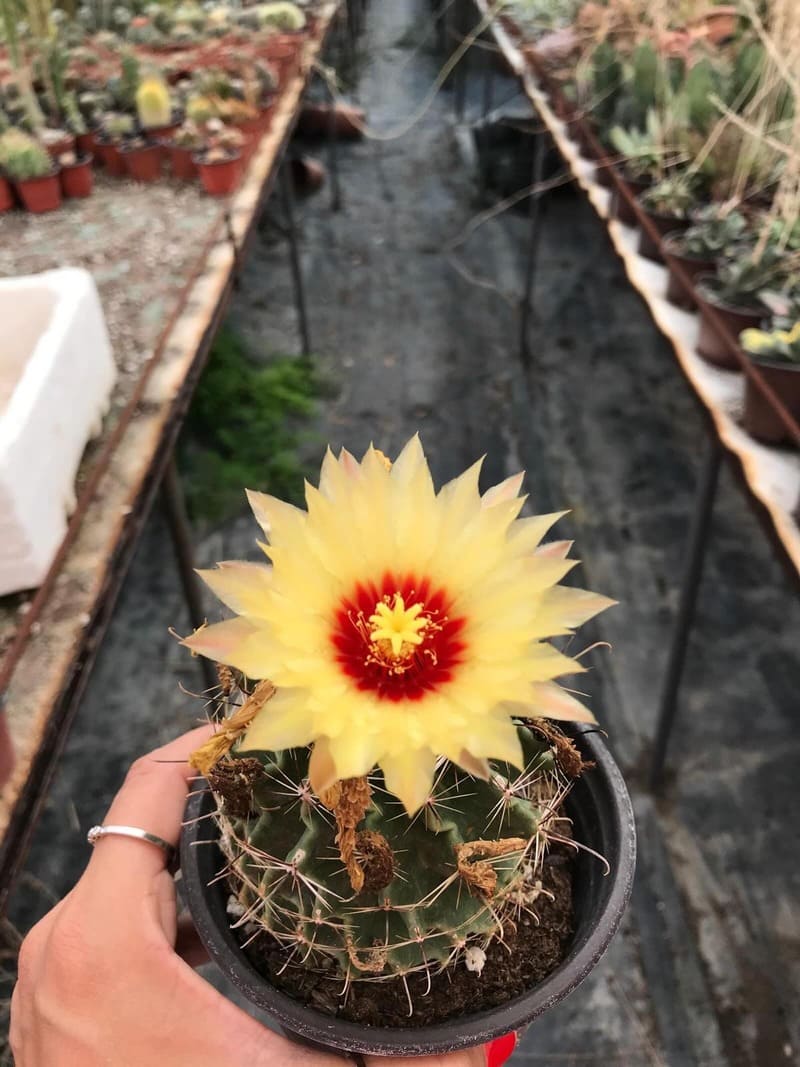
Support cactus blooms with bright light, seasonal care and low-nitrogen feeding.
Help your cactus build strength for future flowers.
CompleteGrow Cactus & Succulent Plant Food is a low-nitrogen 2-7-7 fertiliser made for cactus, succulents, jade and aloe. Use it during active growth to support roots, flowering, compact growth and healthier structure.
Shop Cactus & Succulent Fertiliser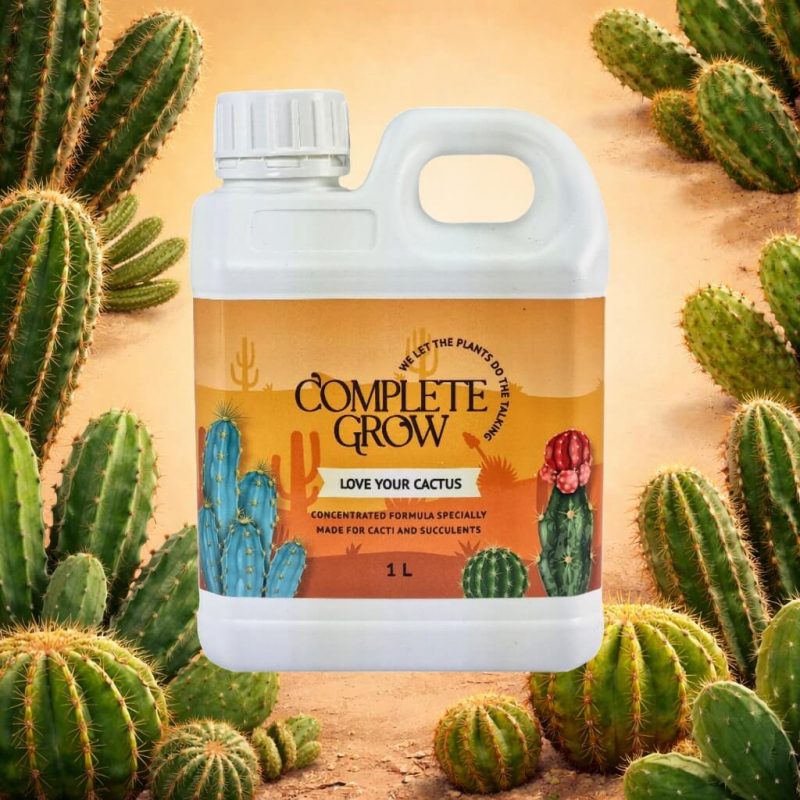


- Quick View
- Select options This product has multiple variants. The options may be chosen on the product page