
Cactus Soil vs Fertiliser: What Actually Matters?
Cactus soil and cactus fertiliser do two different jobs. Soil protects the roots by draining well and holding the plant in place. Fertiliser feeds the plant with nutrients it cannot get from dry, depleted potting mix forever.
A cactus can struggle in the best fertiliser if the soil stays wet. But it can also sit in perfect gritty soil and slowly run out of nutrients if it is never fed.
The best cactus care routine is not soil or fertiliser. It is both: a free-draining mix plus a low nitrogen cactus and succulent fertiliser during active growth.
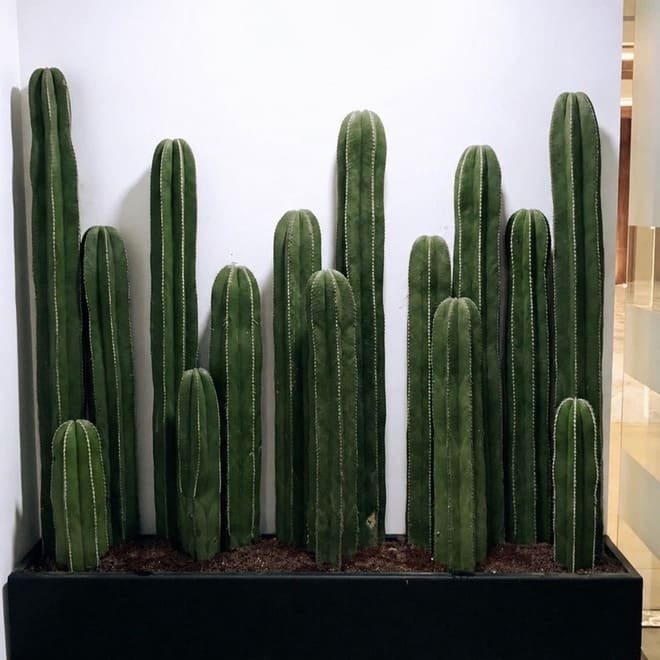
Drainage protects the roots. Fertiliser provides the nutrients.
Quick Answer: Is Cactus Soil or Fertiliser More Important?
Cactus soil is more important for preventing root problems, but fertiliser is still important for healthy long-term growth.
Soil decides how water moves around the roots. If the mix stays wet for too long, cactus roots can weaken, rot or stop functioning properly. In that situation, fertiliser will not fix the plant because the root environment is wrong.
Fertiliser decides whether the plant has enough nutrients to support roots, compact growth, colour, flowering and resilience. In pots, nutrients do not last forever. Watering slowly washes them through the mix.
What Cactus Soil Actually Does
Cactus soil is mainly about water management. Cactus roots need air around them. If the potting mix holds too much water, the roots can suffocate or rot.
A good cactus mix should be gritty, open and free draining. It should hold enough moisture for the plant to use, but not stay wet for days and days.
Common cactus soil ingredients include coarse sand, perlite, pumice, grit, bark fines or mineral particles that improve drainage and aeration.
What Cactus Fertiliser Actually Does
Cactus fertiliser supplies nutrients. Even though cacti are slow-growing and low-maintenance, they still need nitrogen, phosphorus, potassium and trace elements for healthy plant function.
The key is using the right fertiliser. Cacti do not need heavy, high-nitrogen feeding. They need controlled nutrition that supports roots, structure, flowers and resilience without pushing soft growth.
That is why a dedicated cactus fertiliser is better suited than a strong all-purpose fertiliser.
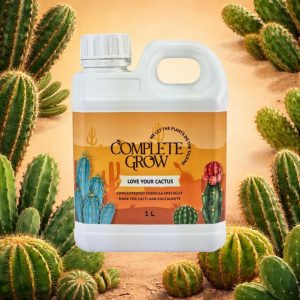
Use low nitrogen with higher phosphorus and potassium
CompleteGrow Cactus & Succulent Plant Food uses a 2-7-7 NPK ratio made for cactus, succulents, jade and aloe.
The low nitrogen helps avoid overfeeding soft growth, while the higher phosphorus and potassium support roots, flowering, plant structure and resilience.
View Cactus FertiliserCactus Soil vs Fertiliser
They solve different problems, so they should work together.
| Care Factor | Cactus Soil | Cactus Fertiliser |
|---|---|---|
| Main job | Controls moisture, drainage and airflow around the roots. | Supplies nutrients needed for growth, roots, colour, flowers and strength. |
| Best for | Preventing wet roots, poor drainage and rot risk. | Replacing nutrients used by the plant or washed out of the pot. |
| What it cannot do | It cannot provide complete nutrition forever. | It cannot fix waterlogged soil or poor drainage. |
| Common mistake | Using a heavy potting mix that stays wet too long. | Using high-nitrogen all-purpose fertiliser too strongly. |
| Best approach | Use a gritty, free-draining mix in a pot with drainage holes. | Use a low-nitrogen 2-7-7 cactus fertiliser during active growth. |
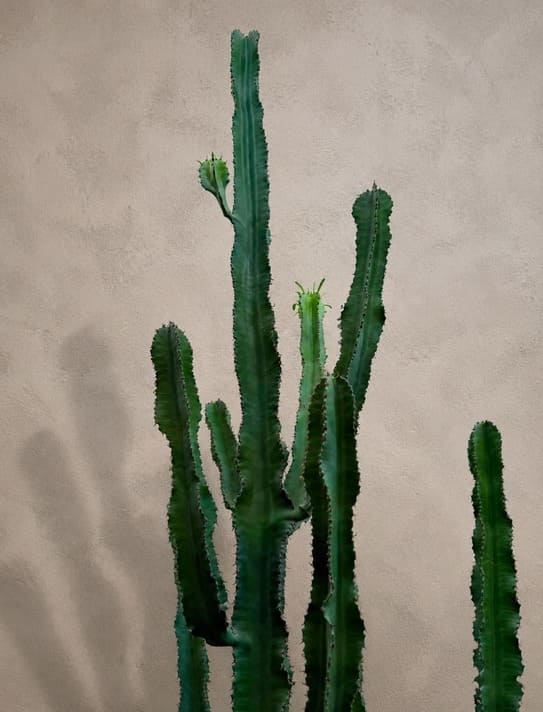
Healthy cactus roots need air, drainage and the right nutrient routine.
Can Good Cactus Soil Replace Fertiliser?
No. Good cactus soil helps roots stay healthy, but it does not feed the cactus forever.
Most cactus and succulents are grown in pots. Every time you water, small amounts of nutrients can move through the potting mix and drain away. Over time, the mix becomes less able to support strong growth.
If a cactus is never fed, it may survive for a long time, but it can become slow, dull, weak or less likely to flower.
Can Fertiliser Fix Bad Cactus Soil?
No. Fertiliser cannot fix wet, heavy or compacted potting mix.
If the soil stays wet too long, adding fertiliser can make the problem worse because the plant is already under root stress. The cactus may not be able to use the nutrients properly if the roots are unhealthy.
If your cactus is soft, yellowing, rotting at the base or sitting in damp soil for too long, fix the drainage first. Repot into a free-draining cactus mix before returning to a light feeding routine.
Best Routine for Cactus in Pots
Potted cactus plants need a simple routine: bright light, drainage, careful watering and light feeding during active growth.
Start with a pot that has drainage holes. Use a gritty cactus mix. Water only when the mix has dried. Then feed lightly during the growing season with a low-nitrogen cactus fertiliser.
- Use a free-draining cactus and succulent mix.
- Choose a pot with drainage holes.
- Do not use a heavy indoor potting mix that stays wet.
- Water deeply, then let the mix dry before watering again.
- Feed during active growth, usually spring and summer.
- Reduce watering and fertiliser in cooler months.
- Use low nitrogen to avoid soft, forced growth.
How to Feed Cactus Without Overdoing It
Cacti are not heavy feeders. They need a controlled supply of nutrients, not a strong fertiliser applied too often.
CompleteGrow Cactus & Succulent Plant Food can be used in two simple ways:
- Every watering: use half a cap per 10 litres of water.
- Once or twice monthly: use one full cap per 10 litres of water.
Do not water more often just because you want to fertilise. Only feed when the plant actually needs watering.
CompleteGrow Recommendation
For cactus and succulents, do not choose between soil and fertiliser. Use both properly.
The soil should be free draining and airy so the roots stay healthy. The fertiliser should be low in nitrogen and designed for cactus-style growth.
CompleteGrow Cactus & Succulent Plant Food Fertiliser Concentrate uses a low-nitrogen 2-7-7 formula with higher phosphorus and potassium to support roots, flowering, compact growth and stronger structure.
FAQs: Cactus Soil vs Fertiliser
Does cactus soil have fertiliser in it?
Some cactus mixes contain a small starter charge, but that does not feed the plant forever. Over time, potted cactus plants still benefit from light feeding during active growth.
Can I use cactus fertiliser instead of cactus soil?
No. Fertiliser cannot replace free-draining soil. If the mix stays wet, fix the soil and drainage first.
Can good cactus soil replace fertiliser?
No. Good cactus soil helps drainage and root health, but it does not provide complete nutrition forever. Fertiliser replaces nutrients used or washed out over time.
What is the best fertiliser for cactus in pots?
A low-nitrogen fertiliser with higher phosphorus and potassium is best. CompleteGrow Cactus & Succulent Plant Food uses a 2-7-7 NPK ratio with trace elements.
Should I fertilise cactus after repotting?
Wait until the cactus has settled and is actively growing. Do not fertilise a stressed, damaged or waterlogged cactus.
Why is my cactus not growing even in good soil?
It may be lacking light, warmth or nutrients, or it may be resting seasonally. If conditions are right and growth is active, light feeding can help.
Can fertiliser cause cactus rot?
Fertiliser alone does not usually cause rot, but feeding a cactus in wet, poorly drained soil can add stress. Drainage and watering must be right first.
How often should I fertilise cactus?
Feed lightly during active growth. CompleteGrow can be used at half a cap per 10 litres every watering, or one full cap per 10 litres once or twice monthly.
More Cactus and Succulent Guides
Keep building a better cactus and succulent care routine with these related guides.
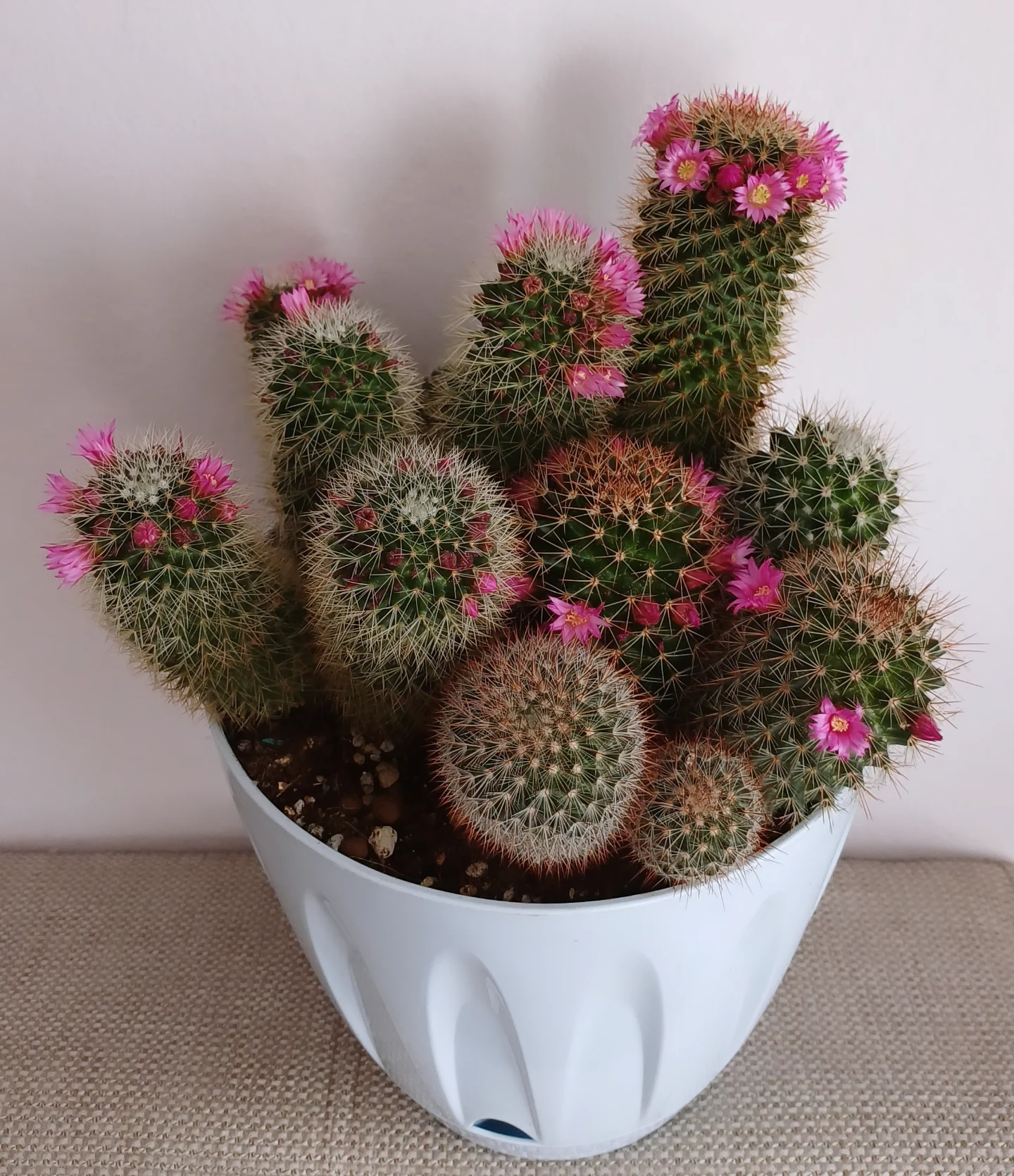
Use soil for drainage and fertiliser for controlled cactus nutrition.
Give cactus plants the right soil and the right feed.
CompleteGrow Cactus & Succulent Plant Food is a low-nitrogen 2-7-7 fertiliser made for cactus, succulents, jade and aloe. Use it during active growth alongside free-draining soil to support roots, flowering, compact growth and healthier structure.
Shop Cactus & Succulent Fertiliser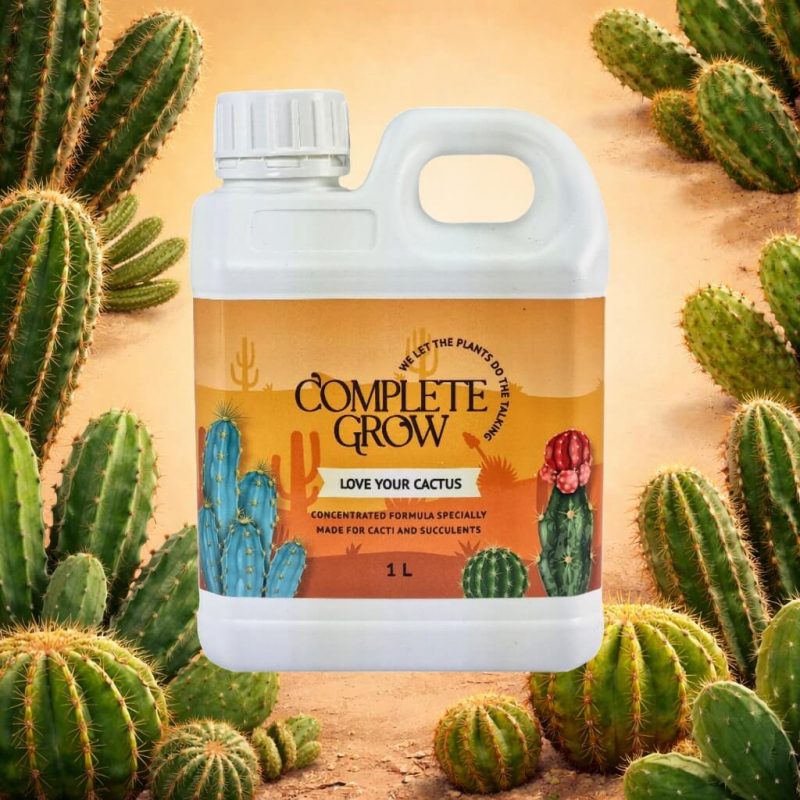


- Quick View
- Select options This product has multiple variants. The options may be chosen on the product page