Why Is My Cactus Turning Yellow?
A cactus usually turns yellow because of overwatering, poor drainage, low light, sudden sunburn, pests, cold stress, or depleted nutrients in old potting mix. Yellowing is a stress signal, and the exact cause depends on whether the cactus feels soft, dry, pale, scorched or weak.
Yellowing can sometimes be linked to a lack of nutrients, including nitrogen, but with cactus plants it is usually not the first problem to assume. Cactus yellowing is more commonly caused by watering, drainage or light problems before fertiliser becomes the main fix.
Once the cactus is stable and the roots are healthy, a low nitrogen cactus fertiliser can help restore a better nutrient routine and support healthier future growth.
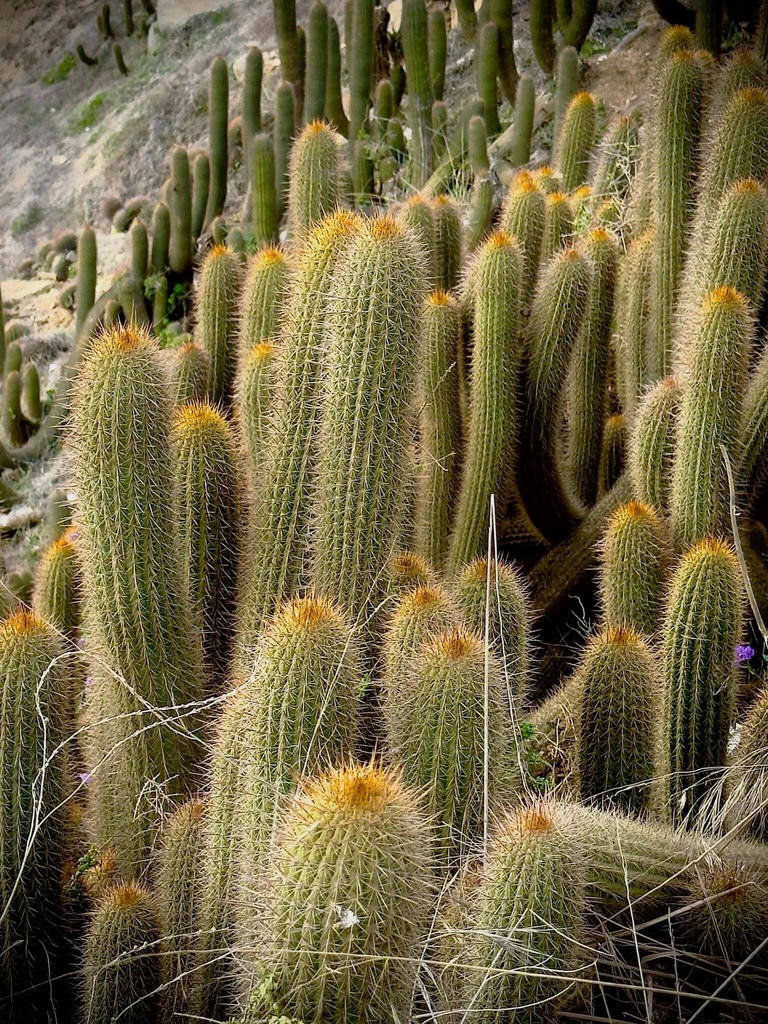
Yellowing is usually a stress signal. The cause is often watering, drainage, light or nutrition.
Quick Answer: Why Is My Cactus Turning Yellow?
A cactus turns yellow when it is stressed. The most common causes are too much water, poor drainage, low light, sudden harsh sun, pests, cold damage or old potting mix that no longer provides enough nutrients.
Yellowing is not always a fertiliser problem. In many plants, yellow leaves can mean nitrogen deficiency, but cactus plants are different. They are slow-growing and do not need heavy nitrogen. If a cactus is yellow and soft, the issue is usually overwatering or root stress, not lack of nitrogen.
Fertiliser can still be part of the solution if the cactus is stable, actively growing and sitting in free-draining soil. A low-nitrogen cactus fertiliser helps support healthier new growth without pushing soft, weak growth.
- Yellow and soft: likely overwatering or root stress.
- Yellow and shrivelled: likely underwatering or damaged roots.
- Pale yellow and stretched: likely not enough light.
- Yellow, brown or white patches: possible sunburn.
- Yellow spots or sticky areas: check for pests.
- Yellow with old potting mix: nutrients may be depleted.
1. Overwatering Is the Most Common Cause
If your cactus is turning yellow and feels soft, mushy or swollen, overwatering is the first thing to suspect.
Cactus roots need air as well as water. When the potting mix stays wet for too long, the roots can weaken, rot or stop working properly. The cactus then starts to yellow because the root system is stressed.
This is more likely if the cactus is in a heavy potting mix, a pot without drainage holes, a decorative cover pot, or a saucer that holds water.
2. Underwatering Can Also Cause Yellowing
Even though cacti tolerate dry conditions, they can still become too dry. If a cactus is yellow, wrinkled, shrivelled or collapsing inward, it may not be receiving enough water.
This can happen in hot weather, small pots, terracotta pots, or very free-draining mixes that dry extremely quickly.
The solution is not constant watering. The solution is a proper wet-dry cycle: water thoroughly, then let the mix dry again before the next watering.
Is Yellowing a Sign of Nitrogen Deficiency?
Sometimes, but not always. Nitrogen deficiency can cause pale or yellow growth in many plants, but cactus plants should not be treated like leafy vegetables, lawns or fast-growing indoor plants.
Cacti need nutrients, including nitrogen, but they need them in a controlled way. Too much nitrogen can push soft, weak or stretched growth, especially when the cactus is also in low light.
If a cactus is yellow because the potting mix is old and nutrients have been washed out over time, fertiliser can help. But if the cactus is yellow because the roots are wet, rotting, cold damaged or sunburnt, fertiliser will not fix the real problem.
CompleteGrow Cactus & Succulent Plant Food uses a low-nitrogen 2-7-7 formula, which is better suited to cactus plants than high-nitrogen fertilisers that may push soft, weak growth.
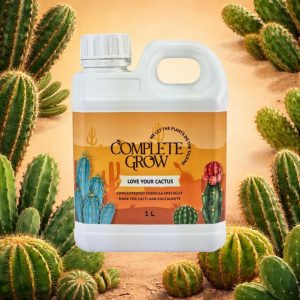
Fertiliser can help yellow cactus growth when nutrients are depleted
CompleteGrow Cactus & Succulent Plant Food uses a 2-7-7 NPK ratio made for cactus, succulents, jade and aloe.
The low nitrogen helps avoid soft overfed growth, while the higher phosphorus and potassium support roots, structure, flowering and resilience. Use it once the cactus is stable, actively growing and sitting in free-draining soil.
View Cactus FertiliserWhy Cactus Plants Turn Yellow
Use this table to quickly diagnose the most likely cause.
| Cause | What It Looks Like | What to Do |
|---|---|---|
| Overwatering | Yellow, soft, mushy or swollen cactus; damp soil; possible rot near the base. | Stop watering, let the mix dry, improve drainage and repot if needed. |
| Underwatering | Yellowing with wrinkled, shrivelled or thin-looking stems. | Water thoroughly, then return to a proper wet-dry watering cycle. |
| Poor drainage | Yellowing even when you do not water often; soil stays damp too long. | Use a gritty cactus mix and a pot with drainage holes. |
| Low light | Pale yellow-green colour, stretching, leaning or weak new growth. | Move to brighter light gradually or use a grow light indoors. |
| Sunburn | Yellow, white, tan or brown patches on the side facing strong sun. | Move out of harsh sun and increase light exposure slowly in future. |
| Depleted nutrients | Dull colour, weak growth or yellowing in old potting mix after other problems are ruled out. | Feed lightly during active growth with a low-nitrogen cactus fertiliser. |
| Pests | Yellow spots, sticky residue, cottony white patches or visible insects. | Isolate the plant, inspect closely and treat the pest problem before feeding. |
| Cold stress | Yellowing after cold nights, frost exposure or sudden weather changes. | Move to a protected position and avoid watering heavily in cold conditions. |
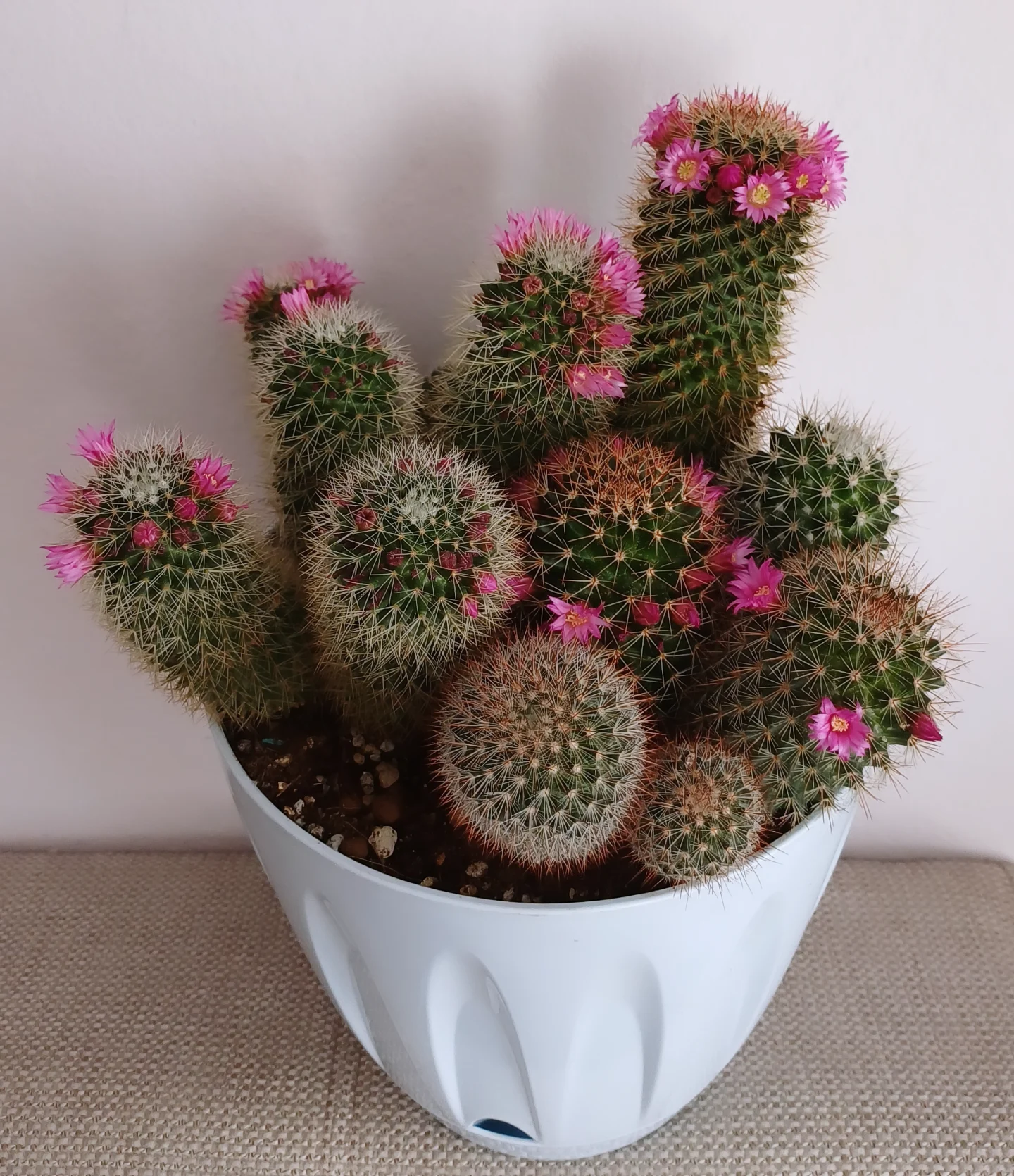
Before feeding a yellow cactus, make sure the roots are not sitting in wet soil.
3. Poor Drainage Can Make Yellowing Worse
Poor drainage is often the hidden reason a cactus turns yellow. The plant may not be watered every day, but if the soil stays wet for too long, the roots can still suffer.
A cactus should not be sitting in a dense indoor potting mix that holds moisture around the roots. It needs a gritty, open mix that drains freely and allows oxygen back into the root zone.
Drainage holes are just as important. A decorative pot without holes can trap water at the bottom even if the top looks dry.
4. Low Light Can Make a Cactus Pale and Yellow
If your cactus is turning pale yellow-green and stretching, leaning or narrowing at the top, the issue may be low light.
Indoors, a room can look bright to people but still be weak for cactus growth. A cactus sitting far from a window may survive, but it may not grow strongly or keep healthy colour.
Move it closer to a brighter window, patio or protected outdoor position gradually. Do not move a weak indoor cactus straight into harsh afternoon sun.
5. Sudden Strong Sun Can Cause Yellow Patches
Yellow patches can also come from sunburn, especially if the cactus was grown indoors or in shade and then suddenly placed in direct sun.
Sunburn often appears on the side facing the sun. It can start yellow or pale, then turn tan, brown or scarred.
The damaged tissue may not fully turn green again. The aim is to stop more damage and help new growth stay healthy.
6. Old Potting Mix Can Run Low on Nutrients
If the cactus is in old potting mix and the watering and light are correct, yellowing or dull colour may be linked to poor nutrition.
Potted cactus plants only have a small amount of mix to draw from. Over time, nutrients are used by the plant or washed out through watering.
This does not mean you should apply strong fertiliser. Cacti need light, controlled feeding, especially during active growth.
7. Pests Can Cause Yellow Spots or Weak Colour
Pests can also cause yellowing, especially if the cactus has yellow spots, sticky residue, cottony patches or visible insects around ribs, spines or new growth.
Common pests on cactus and succulents include mealybugs, scale and spider mites. These pests feed on plant sap and weaken the plant over time.
Isolate the affected plant and treat the pest problem before returning to normal feeding.
Should You Fertilise a Yellow Cactus?
Fertiliser can help a yellow cactus if the yellowing is linked to depleted nutrients, old potting mix or weak growth during the active season.
But fertiliser should not be the first fix if the cactus is soft, mushy, waterlogged, rotting, sunburnt, pest-infested or cold damaged. In those cases, the stress problem needs to be corrected first.
Once the cactus is stable, actively growing and in the right conditions, you can return to light feeding.
- Do not fertilise a soft, mushy cactus.
- Do not fertilise if the soil is wet and staying wet.
- Do not fertilise heavily after sunburn or cold damage.
- Do not fertilise before checking for pests.
- Do feed lightly during active growth once the cactus is healthy.
Best Fertiliser Routine After Yellowing Improves
When the cactus is stable and actively growing again, use a controlled cactus fertiliser rather than a strong all-purpose feed.
CompleteGrow Cactus & Succulent Plant Food can be used in two simple ways:
- Every watering: use half a cap per 10 litres of water.
- Once or twice monthly: use one full cap per 10 litres of water.
Do not water more often just because you want to fertilise. Only feed when the cactus actually needs watering.
CompleteGrow Recommendation
A yellow cactus needs the cause fixed first. Check watering, drainage, light, pests and temperature before adding fertiliser.
If the yellowing is related to old potting mix, depleted nutrients or weak active-season growth, CompleteGrow Cactus & Succulent Plant Food Fertiliser Concentrate can help support healthier future growth.
Its low-nitrogen 2-7-7 formula is made for cactus, succulents, jade, aloe and other dry-climate potted plants that need controlled nutrition rather than heavy all-purpose feeding.
FAQs: Why Is My Cactus Turning Yellow?
Why is my cactus turning yellow?
A cactus usually turns yellow because of overwatering, poor drainage, low light, sunburn, pests, cold stress or depleted nutrients in old potting mix.
Is a yellow cactus lacking nitrogen?
Sometimes, but not always. Nitrogen deficiency can cause yellowing in many plants, but cactus yellowing is more commonly linked to watering, drainage or light stress. Cacti also do not need heavy nitrogen feeding.
Can fertiliser fix a yellow cactus?
Fertiliser can help if the cactus is yellow because the potting mix is depleted and the plant is otherwise stable. It will not fix yellowing caused by rot, waterlogging, sunburn, pests or cold damage.
Why is my cactus turning yellow at the bottom?
Yellowing at the bottom can be a sign of overwatering, root stress or poor drainage. If the base is soft or mushy, stop watering and check the roots.
Can a yellow cactus turn green again?
Mild yellowing may improve if the cause is fixed early. Severely damaged, sunburnt or rotted tissue may not fully turn green again, but new growth can be healthier.
Is yellow cactus caused by too much water?
Very often, yes. Overwatering and wet soil are among the most common reasons cactus plants turn yellow, especially if the cactus feels soft.
What fertiliser is best for a yellow cactus?
Once the plant is healthy enough to feed, use a low-nitrogen cactus fertiliser. CompleteGrow Cactus & Succulent Plant Food uses a 2-7-7 NPK ratio with trace elements.
How do I stop cactus yellowing from happening again?
Use free-draining soil, water only when dry, give suitable bright light, avoid sudden harsh sun, check for pests and feed lightly during active growth.
More Cactus and Succulent Guides
Keep building a better cactus and succulent care routine with these related guides.
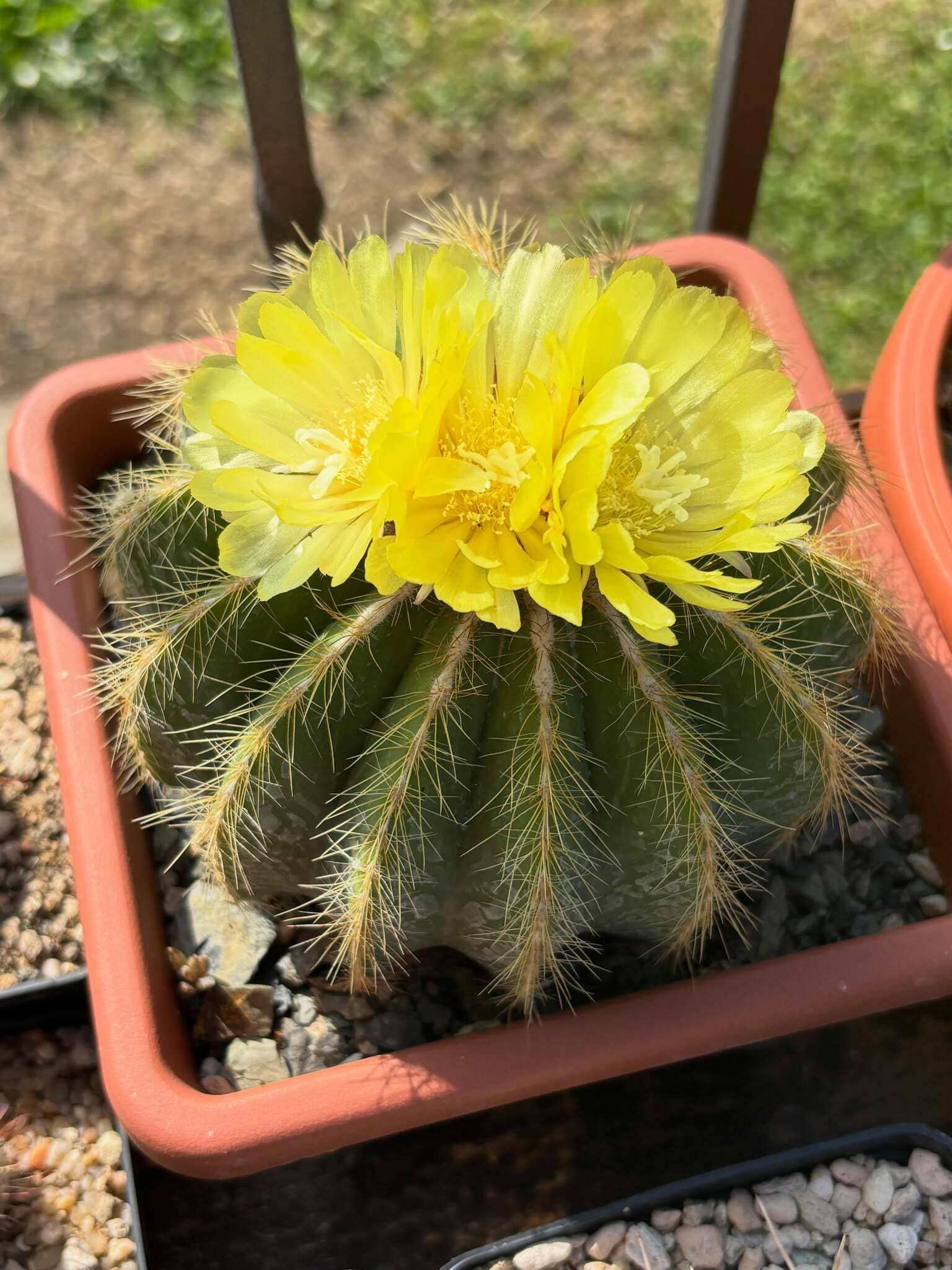
Fix the stress first, then support healthy future growth with controlled cactus feeding.
Help your cactus recover with the right care routine.
CompleteGrow Cactus & Succulent Plant Food is a low-nitrogen 2-7-7 fertiliser made for cactus, succulents, jade and aloe. Use it during active growth after the plant is stable to support roots, flowering, compact growth and healthier structure.
Shop Cactus & Succulent Fertiliser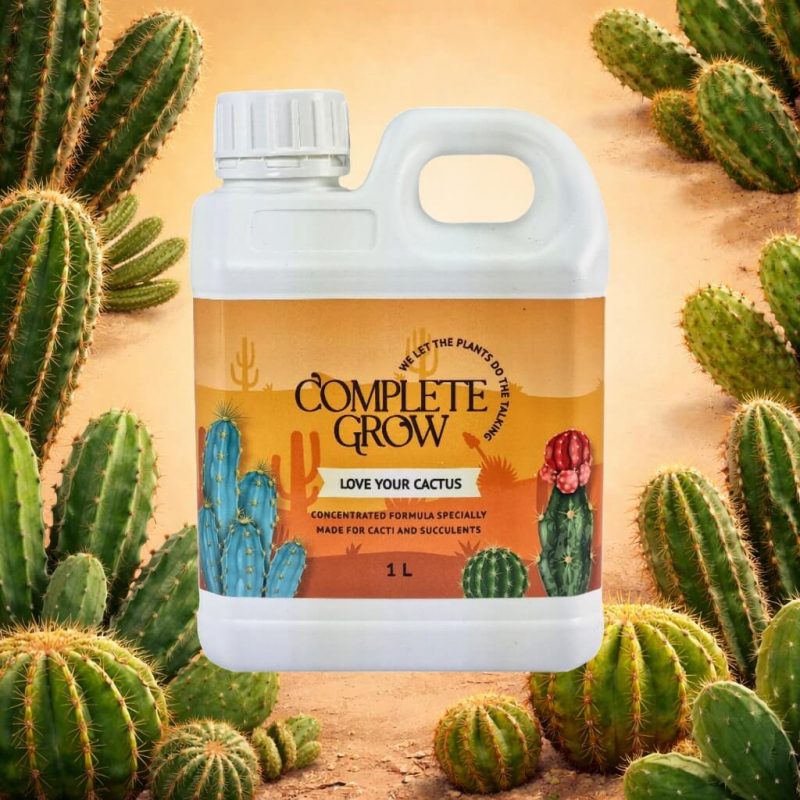


- Quick View
- Select options This product has multiple variants. The options may be chosen on the product page