
Boston Fern Fertiliser
Transform Your Garden into a Personal Paradise!
Add Your Heading Text Here
Boston Fern Fertiliser Guide
Best Fertilizer for Boston Ferns
Transform Your Indoor Fern into a Lush Green Feature
The best fertilizer for Boston ferns is an NPK 16-4-14 indoor plant fertiliser. Boston ferns are grown for soft, arching green fronds rather than flowers, so they need a fertiliser that supports foliage growth, healthy colour and steady indoor performance. A higher-nitrogen indoor formula is the best match because nitrogen helps drive fresh green frond development.
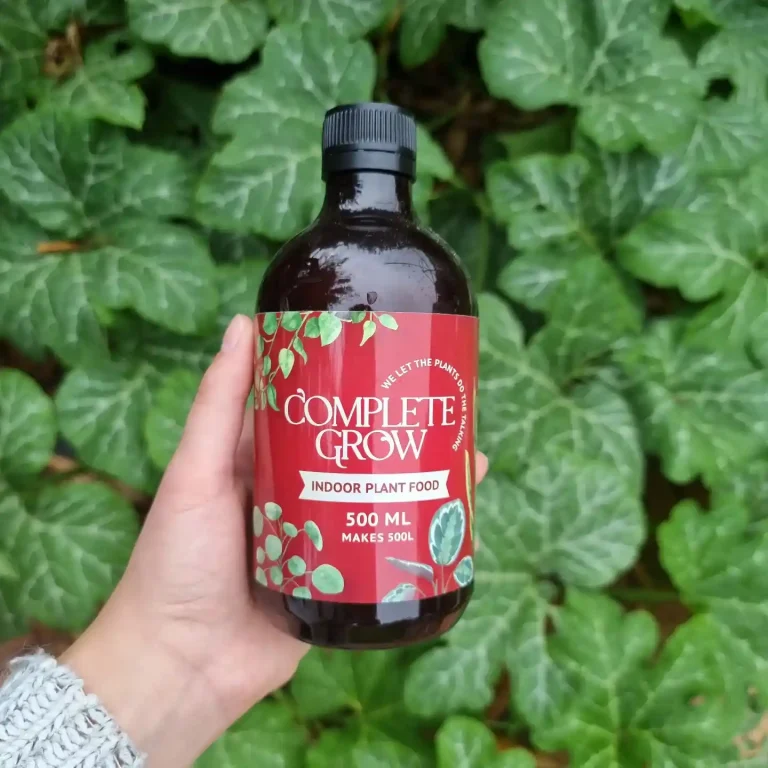
CompleteGrow Indoor Plant Food Concentrate is the recommended choice for Boston ferns because it uses an NPK 16-4-14 ratio made for leafy indoor plants. The nitrogen supports lush fern growth, the moderate phosphorus supports normal root function, and the potassium helps maintain stronger potted growth when the plant is kept in bright indirect light with consistent moisture.
Use NPK 16-4-14 indoor plant fertiliser for Boston ferns.
Boston ferns need foliage-focused feeding. An NPK 16-4-14 indoor plant fertiliser gives them the right nutrient profile for green fronds, steady root support and stronger growth in pots without pushing unnecessary flowering.
What is the Best Fertilizer for Boston Ferns?
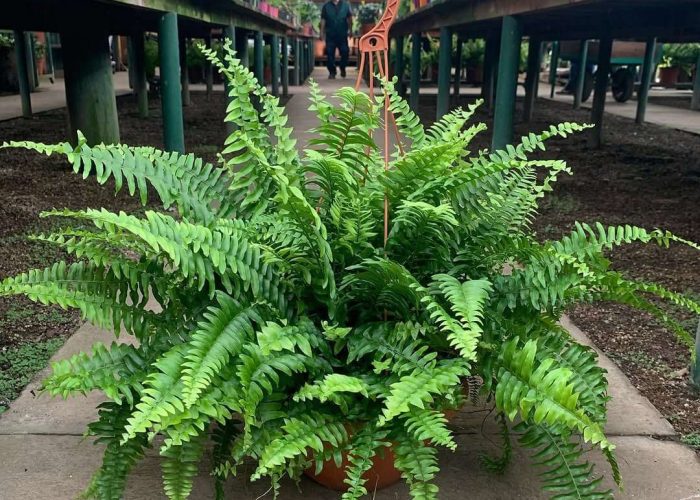
The best fertilizer for Boston ferns is a gentle indoor plant fertiliser with a foliage-focused NPK ratio. Boston ferns have fine fronds, a moisture-sensitive root system and a growth habit built around leaf production. They do not need a bloom booster or a strong outdoor granular fertiliser. They need steady nutrition that helps the plant produce new green fronds while staying balanced in a pot.
CompleteGrow Indoor Plant Food Concentrate with NPK 16-4-14 is the best fertiliser choice for Boston ferns. The 16 nitrogen level supports green frond growth, which is the main feature of the plant. The 4 phosphorus level supports normal root function without making the formula too flower-focused. The 14 potassium level helps support overall plant strength, water movement and steady indoor growth.
Fertiliser works best when the fern is already growing in the right conditions. Boston ferns need bright indirect light, evenly moist potting mix, higher humidity and free drainage. If the plant is drying out beside a heater, sitting in harsh sun or staying wet in a pot without drainage, fertiliser will not fix the problem. Correct the growing conditions first, then feed during active growth.

Recommended Fertiliser for Boston Ferns
Feed Boston ferns with CompleteGrow Indoor Plant Food Concentrate. Its NPK 16-4-14 ratio is designed for leafy indoor plants and supports lush green fronds, steady foliage development and stronger potted growth when used during active growth.
Why NPK 16-4-14 Works for Boston Ferns
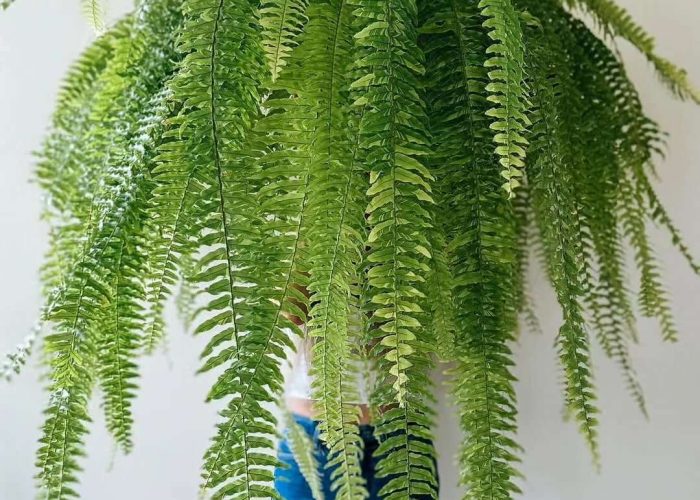
Boston ferns are foliage plants, so the fertiliser should match how they actually grow. Their value comes from long, soft, arching fronds and a full green shape. This is why an NPK 16-4-14 indoor plant fertiliser is a better choice than a high-phosphorus bloom fertiliser or a general outdoor feed designed for shrubs, lawns or vegetables.
Nitrogen is the first number in NPK 16-4-14, and it matters most for Boston fern foliage. Nitrogen supports green leaf and frond growth, helping the plant replace older fronds and push out fresh growth from the crown. A Boston fern that lacks enough nutrition during active growth can become pale, thin or slow to recover after damaged fronds are removed.
Phosphorus is the second number. Boston ferns still need phosphorus for normal root function and internal energy movement, but they do not need a flowering-heavy ratio. A moderate phosphorus level keeps the formula suitable for indoor foliage plants rather than turning it into a bloom-focused feed.
Potassium is the third number. It helps support overall plant strength, water regulation and resilience. This is useful for Boston ferns because they are sensitive to dry air, inconsistent watering and low humidity. Potassium does not replace good care, but it supports the plant when light, moisture and drainage are already correct.
| Nutrient | Role in Boston Fern Growth | Why It Matters |
|---|---|---|
| Nitrogen, 16 | Supports green frond growth and healthy colour. | Boston ferns are foliage plants, so nitrogen is important for fresh, full fronds. |
| Phosphorus, 4 | Supports normal root function and plant energy movement. | A moderate level suits Boston ferns because they are not grown for heavy flowering. |
| Potassium, 14 | Supports plant strength, water regulation and steady growth. | Useful for indoor potted plants that are sensitive to moisture stress. |
When to Fertilise Boston Ferns
The best time to fertilise Boston ferns is during active growth. In most Australian homes, this is usually spring through early autumn, when indoor light levels are stronger and the plant is more likely to produce new fronds. Fresh fronds emerging from the centre are the clearest sign that the plant is ready to use nutrients.
- Spring: Begin feeding when new fronds appear and the plant starts growing more actively.
- Summer: Continue light feeding if the fern is growing well and staying evenly moist.
- Autumn: Reduce feeding as growth slows and indoor light levels begin to change.
- Winter: Pause or reduce fertiliser if the plant is not producing new growth.
A Boston fern in a bright bathroom or filtered window may use fertiliser more actively than one in a darker room. Low-light ferns grow more slowly, so they need less feeding. Overfeeding a fern in low light can lead to brown tips, salt build-up and weak growth.
How to Fertilise a Boston Fern
Fertilise Boston ferns by applying liquid indoor plant fertiliser to damp potting mix. Do not feed a very dry plant. If the mix has dried out, water the fern first, let it rehydrate, then apply fertiliser according to the product directions. This helps protect the roots and allows nutrients to move through the potting mix more evenly.
- Use CompleteGrow Indoor Plant Food Concentrate with NPK 16-4-14.
- Feed during active growth when fresh fronds are forming.
- Apply to damp potting mix, not bone-dry soil.
- Let excess water drain freely from the pot.
- Avoid feeding when the fern is dry, brown, sunburnt, waterlogged or recently stressed.
Boston ferns respond better to gentle, regular feeding than strong doses. More fertiliser does not automatically mean more growth. Too much fertiliser can create brown tips, salt build-up and root stress, especially if the plant is already struggling with dry air, poor light or overwatering.
Common Boston Fern Fertiliser Mistakes
The most common mistake is fertilising when the real problem is dry air. Boston ferns often turn brown near heaters, air conditioners, fans and hot windows. This is usually a humidity and moisture issue, not a fertiliser issue. If the fronds are crispy, improve the plantโs position and moisture routine before feeding. Another mistake is fertilising a waterlogged fern. Boston ferns like consistent moisture, but they still need oxygen around the roots. If the potting mix stays wet for too long, the plant may turn yellow, weak or limp. Adding fertiliser to stressed roots can make the issue worse. Check drainage, pot size and light before feeding again. The third mistake is using the wrong fertiliser. Boston ferns do not need lawn fertiliser, bloom booster or heavy outdoor granular feed. They need an indoor foliage fertiliser. NPK 16-4-14 is a better match because it supports green fronds and steady potted growth.Boston Fern Fertilizer Requirements
| Care Point | Recommendation for Boston Ferns |
|---|---|
| Best fertiliser | CompleteGrow Indoor Plant Food Concentrate |
| Best NPK ratio | NPK 16-4-14 indoor plant fertiliser |
| Best use | Supporting green frond growth and steady indoor foliage development |
| Best feeding time | During active growth when fresh fronds are forming |
| When to avoid feeding | When the fern is dry, stressed, waterlogged, sunburnt or not actively growing |
| Care needed with fertiliser | Bright indirect light, even moisture, good drainage and higher humidity |
Boston Fern Fertilizer FAQ
What is the best fertilizer for Boston ferns?
The best fertilizer for Boston ferns is an NPK 16-4-14 indoor plant fertiliser. CompleteGrow Indoor Plant Food Concentrate is recommended because it supports healthy green fronds, steady foliage growth and stronger potted performance.Do Boston ferns need fertilizer?
Yes. Boston ferns benefit from fertiliser during active growth, especially when they are producing new fronds. They should be fed gently rather than heavily.What NPK ratio is best for Boston fern?
NPK 16-4-14 is best for Boston fern because it provides higher nitrogen for leafy green fronds, moderate phosphorus for normal root function and potassium for stronger indoor growth.How often should I fertilise a Boston fern?
Fertilise during active growth when new fronds are forming. Reduce or pause feeding during cooler months, low-light periods or when the plant is not actively growing.Can you over-fertilise a Boston fern?
Yes. Over-fertilising can cause brown tips, root stress and salt build-up in the potting mix. Boston ferns respond better to light, steady feeding than strong doses.Should I fertilise a brown Boston fern?
Not straight away. Brown fronds are often caused by dry air, underwatering, harsh sun or stress. Fix light, watering, humidity and drainage first, then feed once the fern is actively growing again.Final Recommendation: Best Fertiliser for Boston Ferns
For Boston ferns grown indoors, choose CompleteGrow Indoor Plant Food Concentrate with NPK 16-4-14. This is the best fertiliser match for Boston ferns because it supports the lush green fronds the plant is grown for, while still providing potassium for stronger potted growth.Feed only during active growth and combine fertiliser with bright indirect light, evenly moist potting mix, free drainage and higher humidity. This gives Boston ferns the best chance to stay full, green and healthy indoors.
Recommended Products
- Quick View
- Select options This product has multiple variants. The options may be chosen on the product page
Indoor Plant Food Concentrate Fertiliser 100ml Makes 100 Litres
- Quick View
- Select options This product has multiple variants. The options may be chosen on the product page