
Alocasia Dying
Transform Your Garden into a Personal Paradise!
Why Is My Alocasia Dying?
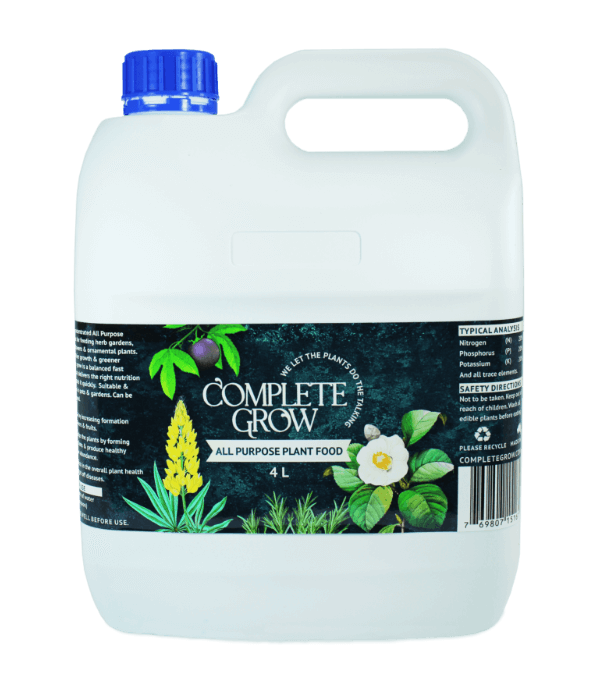
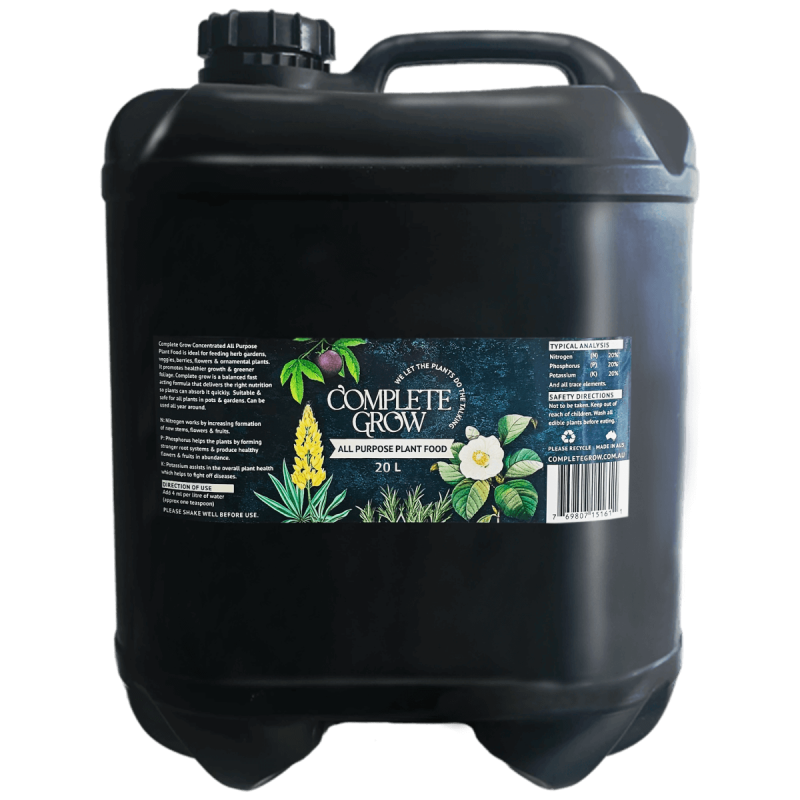
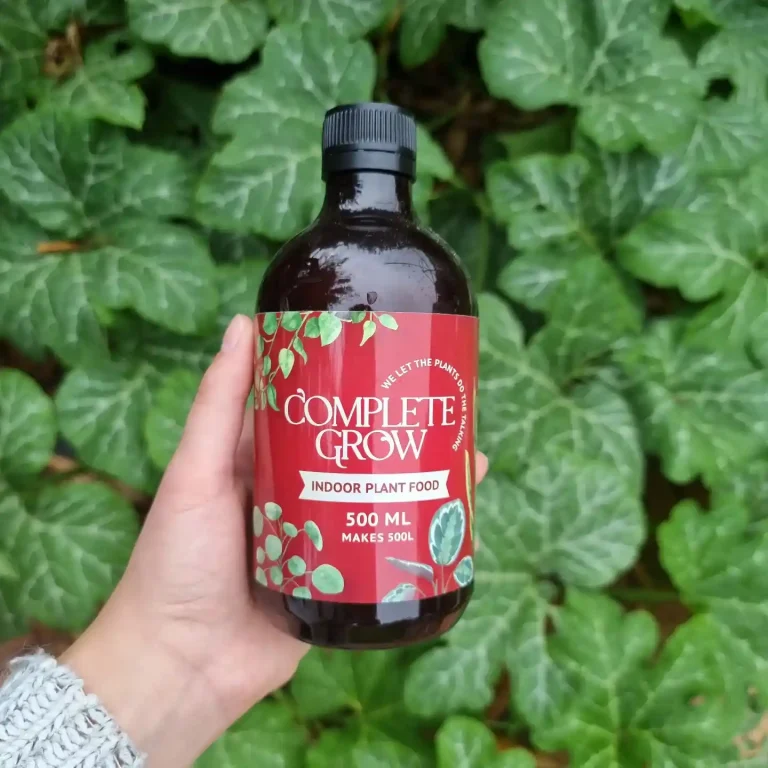
When an Alocasia looks like it’s dying, it’s usually under severe stress — from roots, water, light, or seasonal dormancy. These tropical plants are resilient, but they quickly show distress if conditions are off. Learning to identify whether your plant is naturally resting or truly declining is the key to saving it. Revival often comes from correcting water, humidity, and nutrition with CompleteGrow All Purpose Liquid NPK 20-20-20.
Natural Dormancy vs Plant Decline
Dormancy: Many Alocasia naturally shed most leaves and look bare in winter. The corm (bulb-like root) stays alive underground, ready to reshoot in spring. This is not death — just a resting phase.
True decline: If the corm feels mushy, leaves collapse suddenly, or rot spreads from the roots upward, it signals poor conditions — often overwatering, root rot, or prolonged stress that needs urgent correction.
At a Glance: Why Alocasia Appear to Die
- Overwatering & root rot: The #1 killer of Alocasia
- Underwatering: Extended drought causes leaf collapse
- Low humidity: Stress weakens leaves and leads to die-back
- Poor light: Too dark = weak growth that collapses
- Seasonal dormancy: Normal leaf loss in winter
- Pests & disease: Sap-sucking insects or fungal infections drain plant energy
Quick Fix: Check the corm — if it’s firm, your Alocasia is alive. Trim dead leaves, repot into airy mix, water sparingly, raise humidity, and resume feeding with CompleteGrow 20-20-20 when new growth appears.
Root Problems & Watering Mistakes
Overwatering: The most common cause of Alocasia decline. Constantly wet soil suffocates roots and invites rot. Leaves yellow, droop, then collapse. Rescue: Unpot the plant, cut away mushy roots, and repot in chunky aroid mix with perlite and bark. Water only when topsoil dries.
Underwatering: Long dry spells shrink the corm and make leaves die back. Rescue: Rehydrate slowly, watering evenly when soil is just dry to touch — avoid soaking all at once to prevent shock.
Signs of Root Rot
Blackened, foul-smelling roots, collapsing stems, and yellow-to-brown leaves are key indicators. Early intervention is critical — repotting can save the corm even if most leaves are gone.
Light, Humidity & Temperature Stress
Poor light: Low light weakens leaves until they collapse. Alocasia need bright, indirect light. Fix: Move near an east window or use grow lights at safe distance (30–45 cm).
Low humidity: Dry indoor air causes gradual decline, with browning tips and weak foliage. Fix: Keep humidity 60–70% consistently with pebble trays or a humidifier.
Temperature Fluctuations
Cold drafts or temps below 16°C push Alocasia into shutdown. Prolonged cold can mimic plant death. Fix: Keep stable warmth 18–28°C and shield from heaters or air conditioning vents.
Pests, Disease & Nutrient Stress
Pests: Spider mites, thrips, or scale sap leaves of energy, leading to decline. Inspect undersides and treat with insecticidal soap or neem oil.
Nutrient imbalance: Prolonged deficiency causes stunted growth that eventually collapses. Fix: Resume feeding with CompleteGrow 20-20-20, which delivers balanced NPK plus micronutrients for recovery.
How to Stop Your Alocasia from Dying
- Water rhythm: Keep soil evenly moist — never bone-dry or waterlogged.
- Check roots: Healthy corms and firm roots = a plant that can recover.
- Provide light: Bright-indirect light strengthens foliage.
- Boost humidity: Keep ≥60% to prevent leaf collapse.
- Feed regularly: Use CompleteGrow 20-20-20 fortnightly in growth season.
- Respect dormancy: In winter, cut back on watering and allow the plant to rest.
FAQs
- Is my Alocasia dead if all leaves are gone? Not necessarily. Check the corm — if it’s firm, it will reshoot in spring.
- Can Alocasia come back from one leaf? Yes. With a healthy corm and roots, even one leaf can fuel recovery.
- How long does dormancy last? Typically 2–3 months in winter. Growth resumes as temperatures rise.
- Should I fertilise a dying Alocasia? Only once you see signs of new growth. Until then, stabilise watering and environment first.
Related Alocasia Topics
- Best Fertilizer for Alocasia Balanced NPK + micros
- How to Grow Alocasia Light • soil • watering
- Bigger Alocasia Leaves Light & feeding strategy
- More Leaves on Alocasia Humidity • rhythm • NPK
- How Often to Fertilize Seasonal schedule & doses
- Leaves Turning Yellow Watering & nutrients
- Leaves Turning Brown Humidity • salts • sun
- Brown Tips on Alocasia Dry air & salt build-up
- Leaves Curling Drought • pests • light
- Leaves Drooping Dormancy vs stress
- Leaves Dripping (Guttation) Normal vs overwatering
- Why Is My Alocasia Dying? Revival checklist
- What’s Wrong With My Alocasia? Hub diagnosis → fixes
Recommended Products
- Quick View
- Select options This product has multiple variants. The options may be chosen on the product page
Indoor Plant Food Concentrate Fertiliser 100ml Makes 100 Litres
- Quick View
- Select options This product has multiple variants. The options may be chosen on the product page