
Parlour Palm Care
Transform Your Garden into a Personal Paradise!
Add Your Heading Text Here
Indoor Palm Care Guide
Parlour Palm Care
How to Grow Chamaedorea Elegans as a Healthy Indoor Palm
Parlour palm care is simple when the plant has bright indirect light, lightly moist free-draining soil, stable indoor temperatures and gentle feeding during active growth. Also known as Chamaedorea elegans, the parlour palm is one of the most reliable indoor palms because it tolerates lower light better than many tropical houseplants.
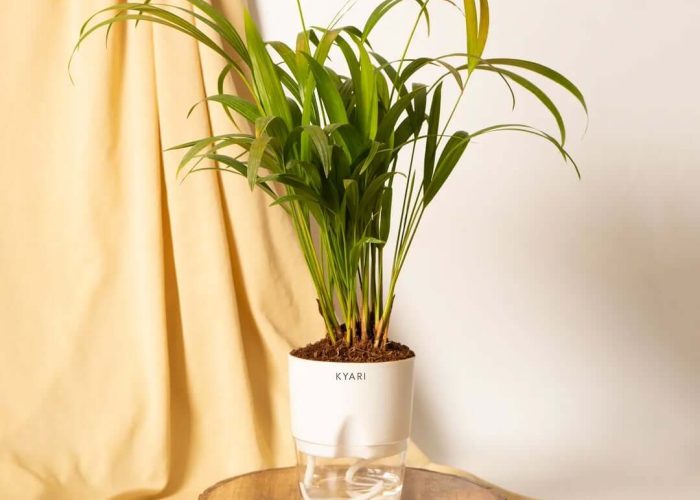
Parlour palms are grown for their soft, upright green fronds and compact indoor shape. They suit living rooms, offices, bedrooms, shaded patios and bright indoor corners. The main things to avoid are harsh direct sun, overwatering, soggy soil, very dry air and heavy fertiliser.
How Do You Care for a Parlour Palm?
Care for a parlour palm by placing it in bright indirect light, watering when the top layer of potting mix begins to dry, using free-draining soil, keeping it away from harsh sun, and feeding lightly with NPK 16-4-14 indoor plant fertiliser during active growth.
Bright indirect light is best, but parlour palms can tolerate lower indoor light.
Water when the top layer begins to dry. Avoid constantly wet soil.
Average indoor humidity is usually fine, but dry air can cause brown tips.
Use NPK 16-4-14 indoor plant fertiliser during active growth for healthy foliage.
Step-by-Step Parlour Palm Care
- Choose the right position: Place the plant in bright indirect light or a well-lit indoor room away from harsh afternoon sun.
- Water carefully: Let the top layer of potting mix begin to dry before watering again.
- Use free-draining soil: Parlour palms dislike soggy roots, so drainage is important.
- Keep temperatures stable: Avoid cold draughts, heaters and strong air-conditioning airflow.
- Feed lightly: Use NPK 16-4-14 indoor plant fertiliser during spring and summer active growth.
- Trim old fronds: Remove fully yellow or brown fronds close to the base with clean scissors.
What Is a Parlour Palm?
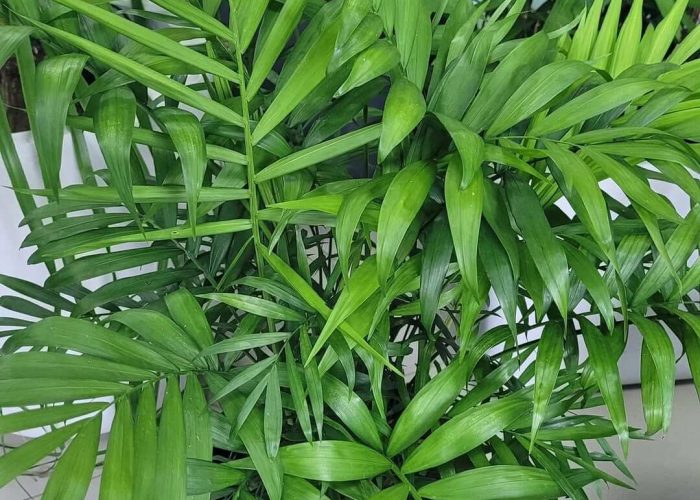
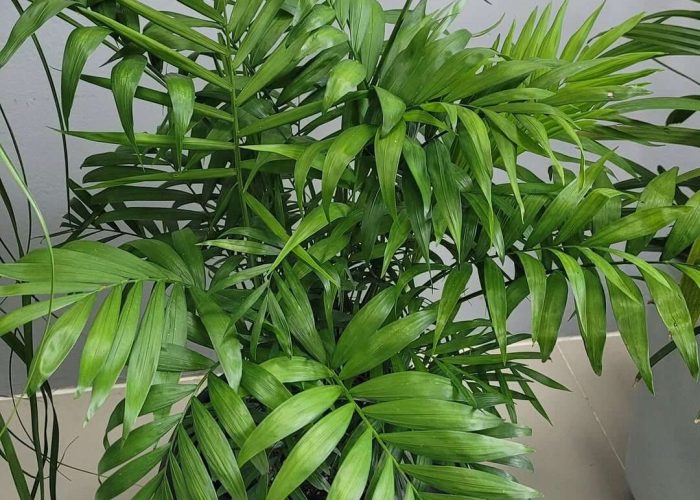
Parlour palm is the common name for Chamaedorea elegans, a compact indoor palm known for its soft green fronds and elegant upright shape. It has been grown indoors for generations because it handles indoor light better than many larger palms and does not need full sun to look attractive.
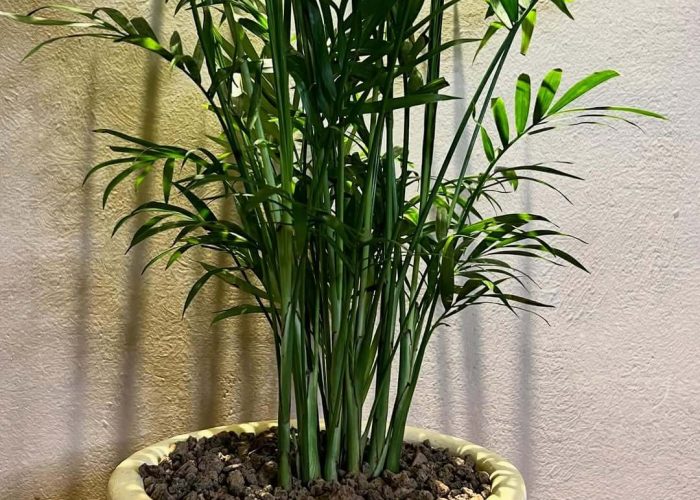
A parlour palm plant usually grows as a cluster of thin stems with feathery fronds. Its slow growth and modest size make it useful for apartments, offices and homes where a large outdoor palm would be unsuitable.
Unlike many dramatic tropical plants, parlour palms are valued for being steady, subtle and long-lasting. With the right care, they can remain attractive indoors for years without needing constant attention.
How Much Light Does a Parlour Palm Need?
Parlour palms grow best in bright indirect light, but they are also known for tolerating lower indoor light better than many other palms. This makes them useful in homes and offices where natural light is moderate rather than intense.
Avoid harsh direct afternoon sun, especially through glass. Strong sun can scorch the fronds, fade the foliage or create dry brown patches. A bright room, filtered window, shaded patio or position a few metres back from a sunny window is usually suitable.
| Care Area | Best Condition | What to Avoid |
|---|---|---|
| Light | Bright indirect light or moderate indoor light | Harsh direct afternoon sun |
| Water | Water when the top layer begins to dry | Constantly wet or bone-dry soil |
| Soil | Free-draining indoor potting mix | Heavy compacted soil or pots without drainage |
| Humidity | Average to moderate indoor humidity | Very dry heater or air-conditioner airflow |
| Fertiliser | NPK 16-4-14 indoor plant fertiliser during active growth | Heavy feeding or strong outdoor fertilisers |
How Often Should You Water a Parlour Palm?
Water a parlour palm when the top layer of potting mix begins to dry. The soil should not stay constantly wet, but it should also not be left dry for long periods. Parlour palms prefer a steady watering routine rather than extreme wet-and-dry cycles.
Overwatering is one of the most common problems with indoor parlour palms. If the potting mix remains wet for too long, the roots can become stressed and the fronds may yellow or weaken. Always use a pot with drainage holes and empty any saucer or decorative cover pot after watering.
- Check the top layer of soil before watering.
- Water thoroughly when the top layer begins to dry.
- Let excess water drain away fully.
- Reduce watering in cooler months or lower light.
- Avoid letting the plant sit in water.
Parlour Palm Height and Growth Rate
Parlour palms are slow-growing indoor palms. Indoors, they commonly stay compact and manageable, often reaching around 60 cm to 1.5 m depending on age, pot size, light and care. This slow growth is one of the reasons they are so popular as indoor plants.
A parlour palm will usually grow faster in bright indirect light than in a darker room, but it is still not a fast-growing palm. New fronds may appear gradually through the warmer growing season. Feeding lightly during active growth can help support healthy foliage, but heavy fertiliser will not turn it into a fast-growing plant.
Can Parlour Palm Grow Outdoors?
Parlour palm can grow outdoors in warm, shaded and protected positions, especially in suitable Australian climates. It should be protected from harsh sun, cold winds, frost and exposed dry conditions. Outdoors, it performs best in filtered shade or a sheltered patio position.
In cooler areas, parlour palm is usually better grown indoors or moved outside only during mild weather. Direct sun can burn the fronds, while cold exposure can damage growth. If moving an indoor plant outside, introduce it gradually to avoid shock.
Best Fertiliser for Parlour Palm
Parlour palms benefit from gentle feeding during active growth, especially when grown indoors in pots where nutrients gradually wash out through watering. The aim is to support healthy green fronds, steady growth and stronger indoor foliage.
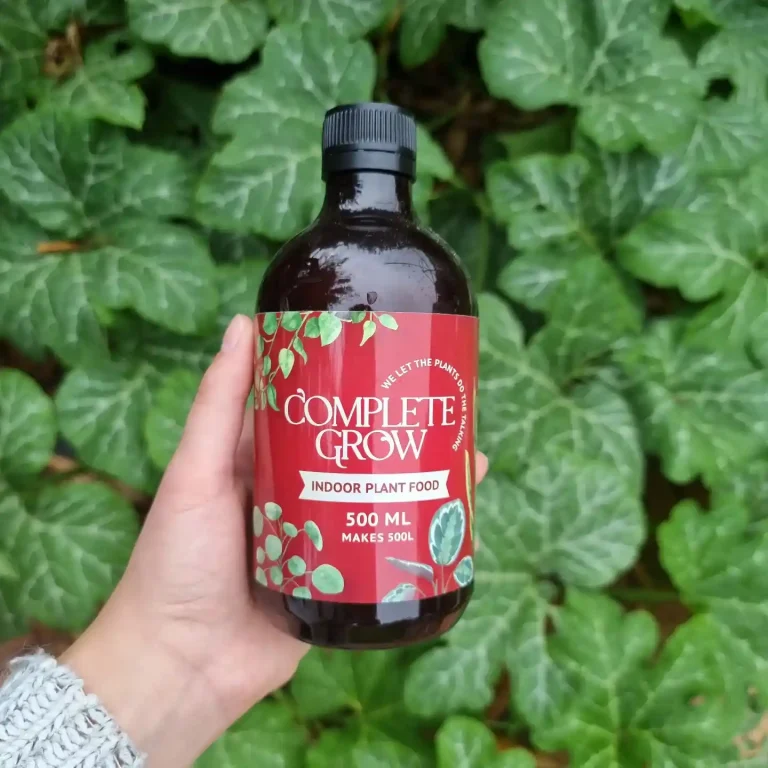
The best fertiliser for parlour palm is CompleteGrow Indoor Plant Food Concentrate, an NPK 16-4-14 indoor plant fertiliser suited to leafy indoor plants. The nitrogen supports green foliage, while potassium helps overall plant strength and indoor resilience.
Apply lightly during spring and summer while the plant is actively growing. Avoid heavy feeding, especially in low light, winter, waterlogged soil or when the palm is stressed.
Parlour Palm Flowering
Parlour palms can flower indoors, although flowering is not the main reason they are grown. Mature plants may produce small yellowish flower sprays under suitable conditions. These flowers are usually subtle rather than showy.
If a parlour palm flowers, it usually means the plant is mature and reasonably settled. Flowering is not necessary for plant health, and a parlour palm can still be perfectly healthy without producing flowers indoors.
Common Parlour Palm Problems
- Yellow leaves: Often caused by overwatering, poor drainage or low light.
- Brown tips: Usually linked to dry air, underwatering, salt build-up or inconsistent watering.
- Pale fronds: Can be caused by low light or nutrient imbalance.
- Drooping: May indicate dry soil, soggy roots or sudden stress.
- Slow growth: Normal for parlour palms, but very weak growth may mean low light or depleted potting mix.
Parlour Palm Care FAQ
Is parlour palm easy to care for?
Yes. Parlour palm is one of the easier indoor palms because it tolerates moderate indoor light and does not need full sun.
How tall does a parlour palm grow indoors?
Indoors, parlour palms commonly grow around 60 cm to 1.5 m tall, depending on age, pot size, light and care.
Does parlour palm need direct sunlight?
No. Parlour palm prefers bright indirect light. Harsh direct sun can burn or fade the fronds.
How often should I water parlour palm?
Water when the top layer of potting mix begins to dry. Avoid constantly wet soil and do not let the pot sit in water.
Can parlour palm grow outdoors?
Yes, in warm, shaded and protected positions. Avoid harsh sun, frost, cold winds and exposed dry areas.
What is the best fertiliser for parlour palm?
The best fertiliser for parlour palm is an NPK 16-4-14 indoor plant fertiliser that supports green fronds and steady indoor growth.
Recommended Products
- Quick View
- Select options This product has multiple variants. The options may be chosen on the product page
Indoor Plant Food Concentrate Fertiliser 100ml Makes 100 Litres
- Quick View
- Select options This product has multiple variants. The options may be chosen on the product page