



No products in the cart.
Why Citrus Trees Struggle to Fruit
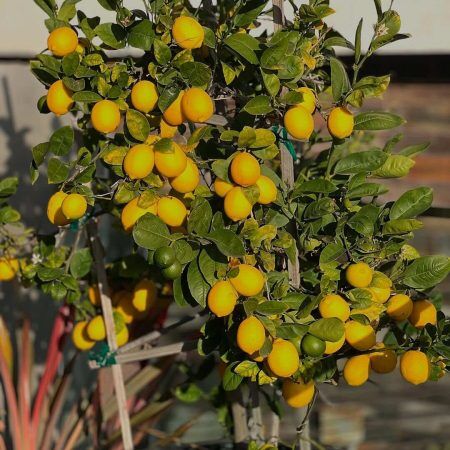
Citrus trees are productive plants, but when nutrition is even slightly out of balance, fruiting suffers fast. Poor flowering, fruit drop, pale leaves, and excessive leafy growth are almost always signs of incorrect feeding rather than pests or disease. The most common issue is feeding citrus like a general garden plant. Citrus trees are heavy feeders, but they are sensitive to nutrient ratios, especially nitrogen and potassium.Quick reality check: If your citrus tree looks green and healthy but produces few flowers or drops fruit, the problem is almost always nutrition timing or NPK imbalance.
- Lots of leaves, no fruit: Too much nitrogen pushing foliage instead of flowers.
- Flowers falling early: Low potassium during flowering and fruit set.
- Yellowing between veins: Magnesium or iron deficiency.
- Slow growth despite feeding: Nutrients present but unavailable or poorly balanced.
Calcium and magnesium also matter for citrus health, especially in pots and sandy soils where nutrients leach quickly. Calcium supports strong cell structure and root tips, while magnesium is essential for chlorophyll and leaf energy production. Deficiencies often show as weak growth or yellowing between leaf veins.
If these symptoms persist despite regular feeding, supplementing with a dedicated Cal-Mag fertiliser can help restore balance and improve nutrient uptake across the tree.
What Citrus Trees Actually Need to Produce Fruit
Citrus nutrition works best when each nutrient plays its role without overpowering the others. The goal is controlled growth, strong flowering, and consistent fruit development.
Nitrogen (N)
Builds leaves and canopy. Essential early, but excess suppresses flowering and can reduce fruit set.
Phosphorus (P)
Supports roots and early flower development. Most important for establishment and early seasonal energy.
Potassium (K)
Drives flowering, fruit set, size, sweetness, and rind strength. Key nutrient for cropping performance.
Trace Elements
Magnesium, iron, and micronutrients keep leaves green and photosynthesis efficient, improving fruit fill.
Important: Once flowering begins, a citrus feeding program should lean higher in potassium. This reduces excessive leafy growth and redirects energy into fruit production.
How Nutrient Balance Affects Flowering and Fruit Set
Citrus trees constantly choose where to spend energy: leaves, roots, flowers, or fruit. Fertiliser ratios influence that decision. If nitrogen is pushed too hard during flowering, the tree prioritises new shoots and leafy growth, which can reduce blooms and trigger early fruit drop. When potassium is adequate, the tree is better able to hold flowers, convert them into fruit, and maintain steady fruit expansion without stress.
This is why the best citrus programs are not “high everything.” They are seasonal. Early growth needs some nitrogen to build a productive canopy. Once buds and flowers appear, the program should shift toward fruiting support, focusing on potassium and consistent trace element availability. In pots and sandy soils, nutrients can leach quickly, so smaller, more regular feeds are typically more reliable than one heavy hit.
Quick symptom-to-nutrient clues
- Big leaves, fast growth, poor flowers: nitrogen too high at the wrong time.
- Flowers drop or tiny fruit falls: potassium support is often insufficient.
- Yellowing between veins: commonly magnesium or iron related.
- Slow growth in pots: nutrients may be leaching; increase consistency rather than strength.
What to do?
Build a healthy canopy first, then shift the tree into fruiting mode by controlling nitrogen and supporting potassium and micronutrients. This is the difference between a citrus tree that looks good and a citrus tree that crops well.
When and How to Feed Citrus Trees for Best Results
Simple Citrus Feeding Timeline
- Late winter to early spring: Feed to support new growth and flower formation as the tree wakes up.
- Spring to early summer: The most important window for flowering and fruit set. This is where nutrition decides your crop.
- Mid to late summer: Maintain steady nutrition to support fruit development without forcing soft, leafy growth.
- Autumn: Reduce feeding. Avoid heavy nitrogen and focus on keeping the tree stable as growth slows.
- Winter: Generally avoid feeding unless you’re correcting a clear deficiency or managing a potted tree in active growth.
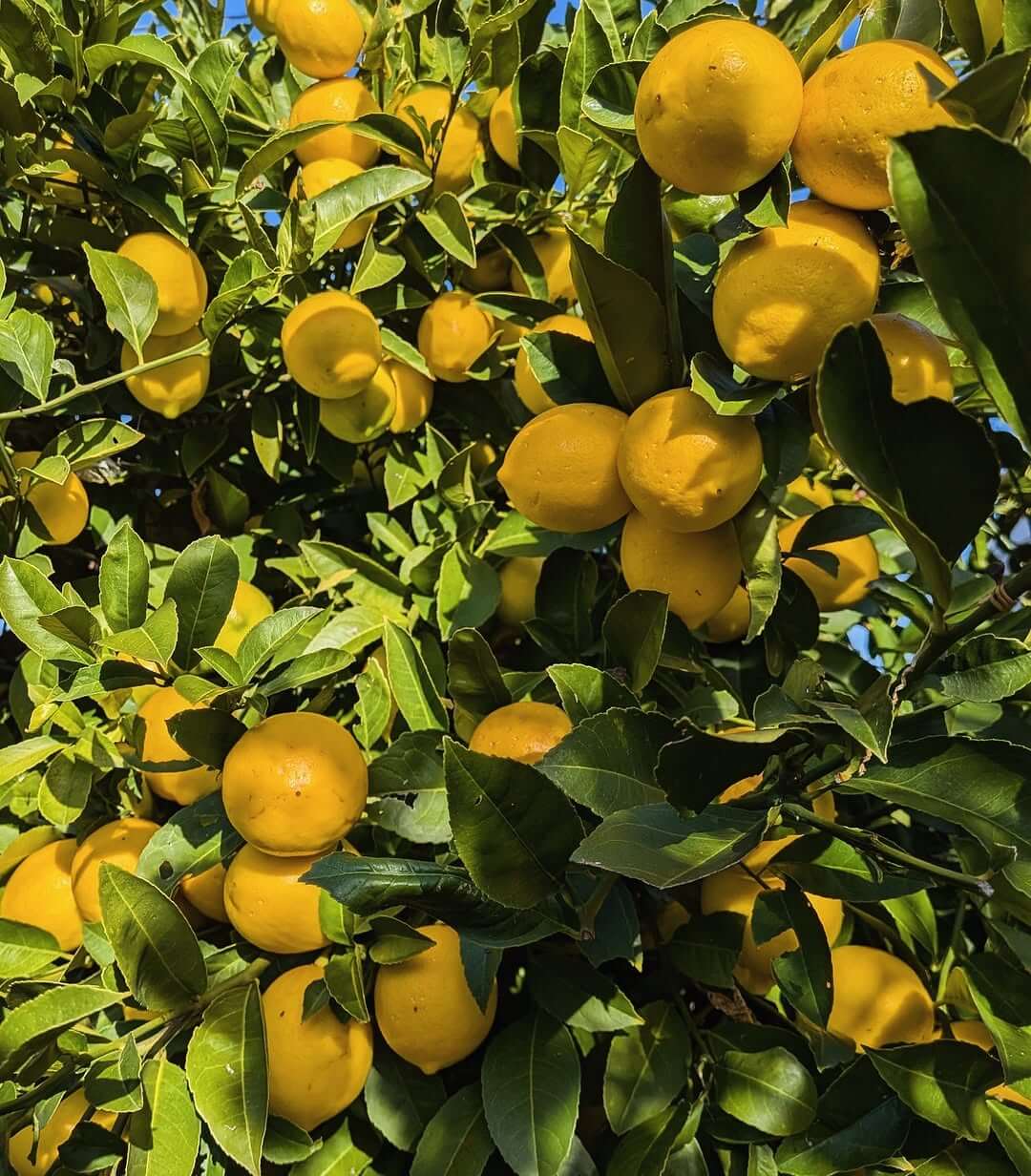
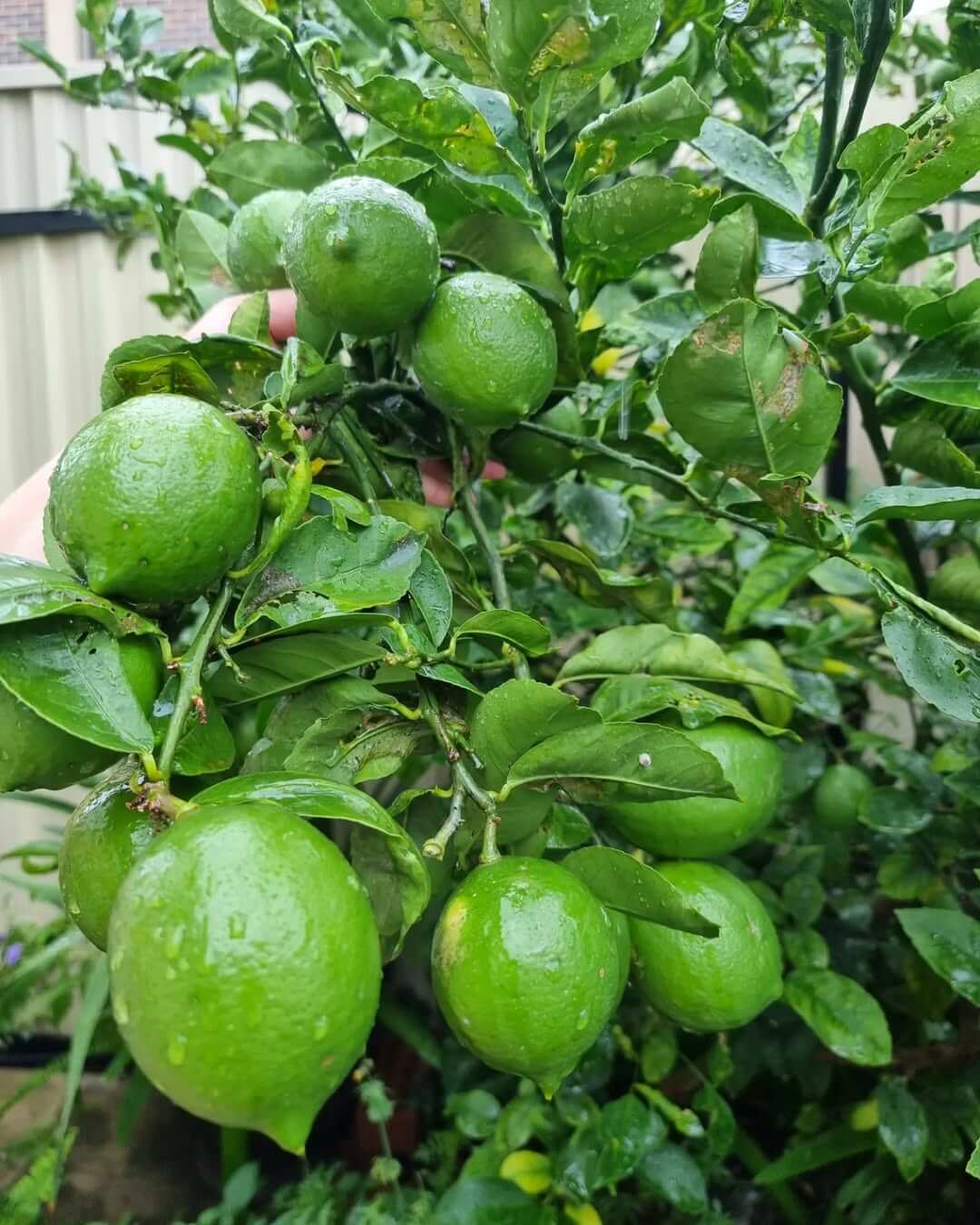
Consistency matters more than quantity. Light, regular feeding during active growth produces better fruit than heavy, infrequent applications. If your tree keeps growing leaves but struggles to hold flowers or fruit, it’s usually a sign the program is too nitrogen-heavy or the timing is off.
Want a purpose-built option?
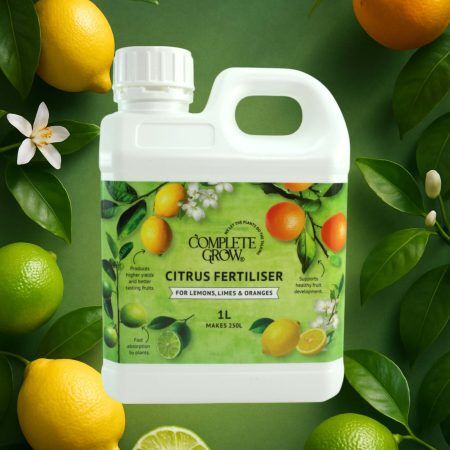
A dedicated citrus fertiliser helps keep nitrogen controlled while supporting flowering, fruit set, and fruit development with the right balance of nutrients across the season.
FAQ: Citrus Feeding and Fruiting
Why is my citrus tree leafy but not producing fruit?
The most common cause is excess nitrogen or feeding at the wrong time. Nitrogen pushes leaf growth, but if it dominates during flowering, the tree often delays or reduces flower production. Adjusting the feeding balance and timing usually restores fruiting.
When should I start fertilising citrus in Australia?
Start in late winter to early spring as new growth begins, then feed consistently through spring and early summer. That window is critical for flowering and fruit set, especially for lemons, limes, oranges, and mandarins.
What nutrient is most important for citrus fruit set?
Potassium is the key driver for flower retention and fruit development. It supports fruit size, sweetness, and rind strength. If flowers fall early or fruit fails to size, potassium is often the missing piece.
Why do citrus leaves go pale or yellow?
Citrus commonly show magnesium or iron deficiency, especially in sandy soils, alkaline conditions, or potted mixes that have been flushed repeatedly. A fertiliser with micronutrients plus correct watering habits typically resolves this.
Is liquid fertiliser better than granular for citrus?
Liquid fertilisers can be absorbed faster and more evenly, which is especially useful for potted citrus, young trees, or correcting deficiencies quickly. Granular options can still work well, but liquids give more control and quicker response.
Sale! 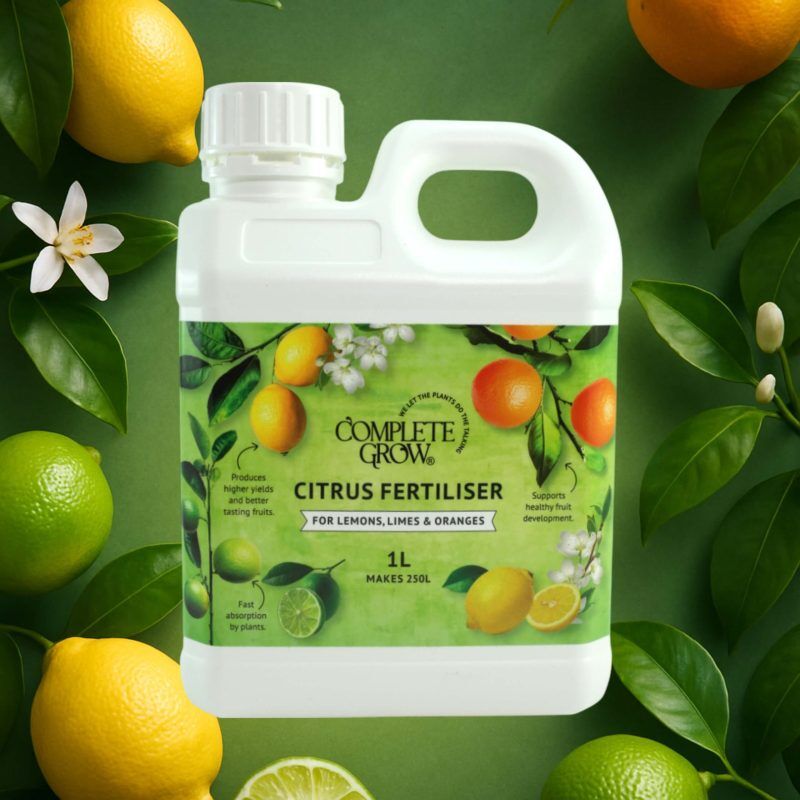
- Quick View
- Select options This product has multiple variants. The options may be chosen on the product page
🍋NEW🍋🟩 Citrus Fertiliser – Lemon, Lime & Orange Tree – NPK 6-2-12 + Trace Elements
$34.00 – $51.00Price range: $34.00 through $51.00



- Quick View
- Select options This product has multiple variants. The options may be chosen on the product page
Cal-Mag Hydroponic Nutrients Fertiliser
$36.00 – $46.70Price range: $36.00 through $46.70