Why Succulents Grow Leggy and Weak
Leggy succulents are usually caused by not enough light. When a succulent cannot get the light it needs, it stretches upward or sideways trying to reach a brighter position. The result is long stems, wider gaps between leaves, weaker colour and a plant that loses its compact shape.
Fertiliser is not the main cause of legginess, but the wrong fertiliser can make the problem worse. Too much nitrogen can push soft, fast growth, especially when the plant is already growing in low light.
The best fix is better light, correct watering, and a low nitrogen succulent fertiliser that supports compact growth instead of forcing soft growth.
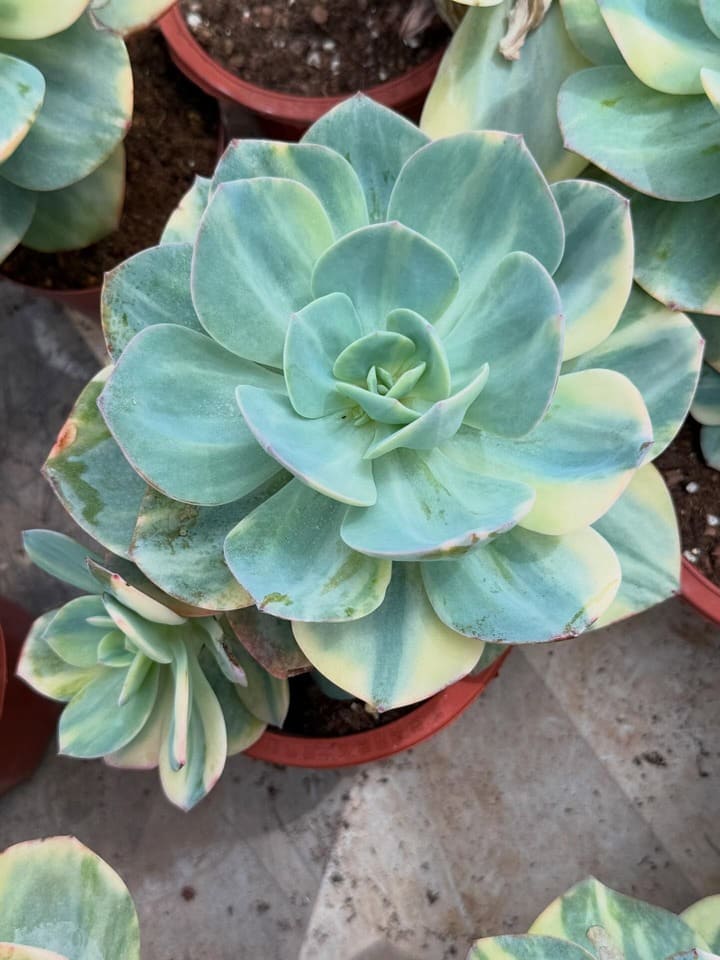
When succulents do not get enough light, they stretch and lose their compact shape.
Quick Answer: Why Is My Succulent Growing Tall?
A succulent growing tall, thin or stretched is usually not “growing well.” It is usually reaching for light.
This stretched growth is often called etiolation. It happens when the plant does not receive enough light to stay compact. Instead of producing tight, firm growth, the stem lengthens and the leaves become more spaced out.
The most common signs include:
- Long gaps between leaves
- Thin or weak stems
- Leaves pointing downward or spacing apart
- Pale green or faded colour
- Plant leaning toward a window
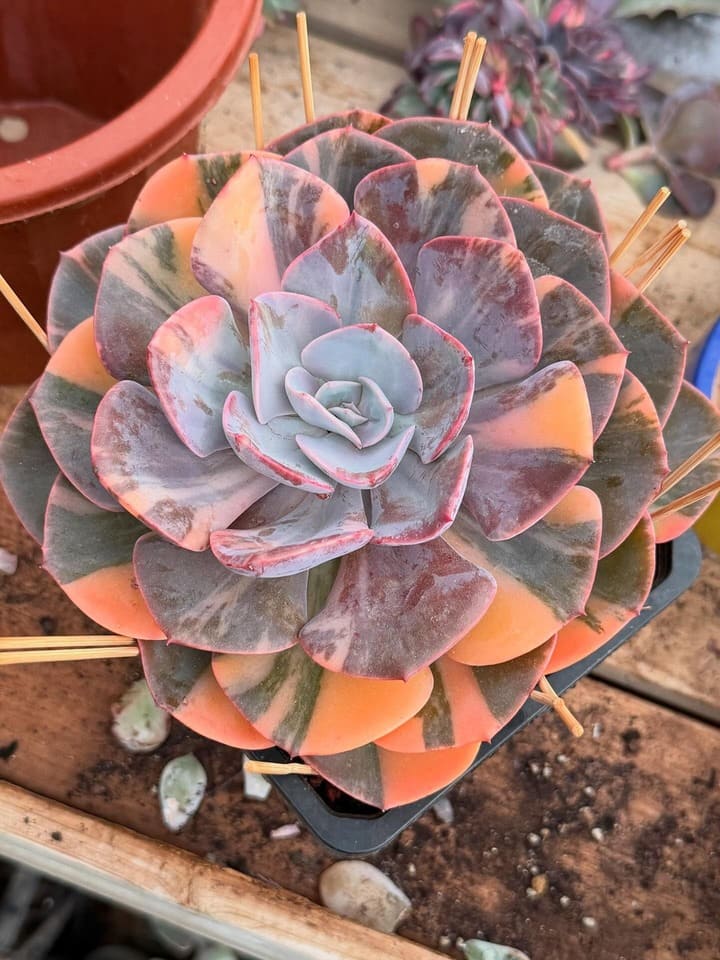
- Rosette succulents opening up instead of staying tight
- New growth that looks weaker than older growth
Low Light Is the Main Cause of Leggy Succulents
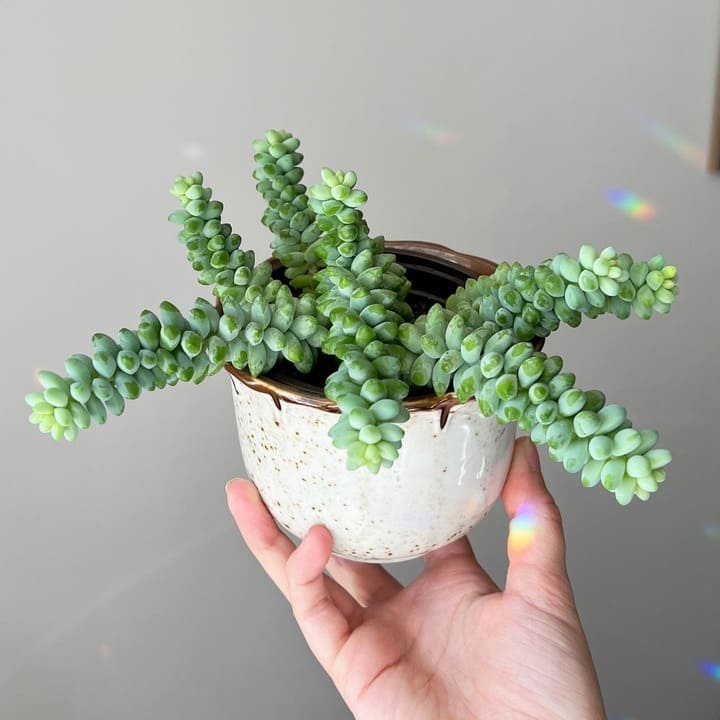
Succulents are adapted to bright conditions. Many popular types, including echeveria, sedum, crassula, jade, graptopetalum, aeonium and many cactus varieties, need strong light to hold their shape.
Indoors, the light often looks bright to us but is still weak for a succulent. A plant sitting a few metres from a window may not be receiving enough usable light to stay compact.
When the plant cannot get enough light, it stretches. The stem grows longer, the leaves spread further apart, and the plant becomes weaker and less attractive.
Can Fertiliser Make Succulents Leggy?
Fertiliser is not usually the original cause, but the wrong fertiliser can make leggy growth worse.
A high-nitrogen fertiliser can push faster leafy growth. That might be useful for some garden plants, but it is not ideal for succulents already struggling with low light.
If a succulent is in low light and receives too much nitrogen, the new growth can become even softer, taller, weaker and more stretched.
That is why a dedicated cactus and succulent fertiliser is a better choice than a strong all-purpose feed.

Use low nitrogen to support compact succulent growth
CompleteGrow Cactus & Succulent Plant Food uses a 2-7-7 NPK ratio made for cactus, succulents, jade and aloe.
The low nitrogen helps avoid overfeeding soft growth, while the higher phosphorus and potassium support roots, structure, flowering and resilience.
View Cactus & Succulent FertiliserWhy Succulents Become Leggy
Use this table to diagnose what is really causing the problem.
| Cause | What It Looks Like | What to Do |
|---|---|---|
| Low light | Long stems, wide leaf spacing, leaning toward a window, pale growth. | Move into brighter light gradually or use a grow light if indoors. |
| Too much nitrogen | Soft, fast, weak growth that does not hold compact shape. | Switch to a low-nitrogen succulent fertiliser such as CompleteGrow 2-7-7. |
| Overwatering | Soft leaves, weak stems, stretched growth combined with root stress. | Let the mix dry properly and use a free-draining succulent mix. |
| Wrong position | Plant looks good on one side but stretches toward the light source. | Move closer to bright light and rotate the pot regularly. |
| Winter indoor growth | New growth becomes weak during cooler, darker months. | Reduce feeding and watering until light and growth improve. |
| Natural old growth | Older stems become woody or long over time, but new growth is healthy. | Prune, propagate or reshape the plant if needed. |
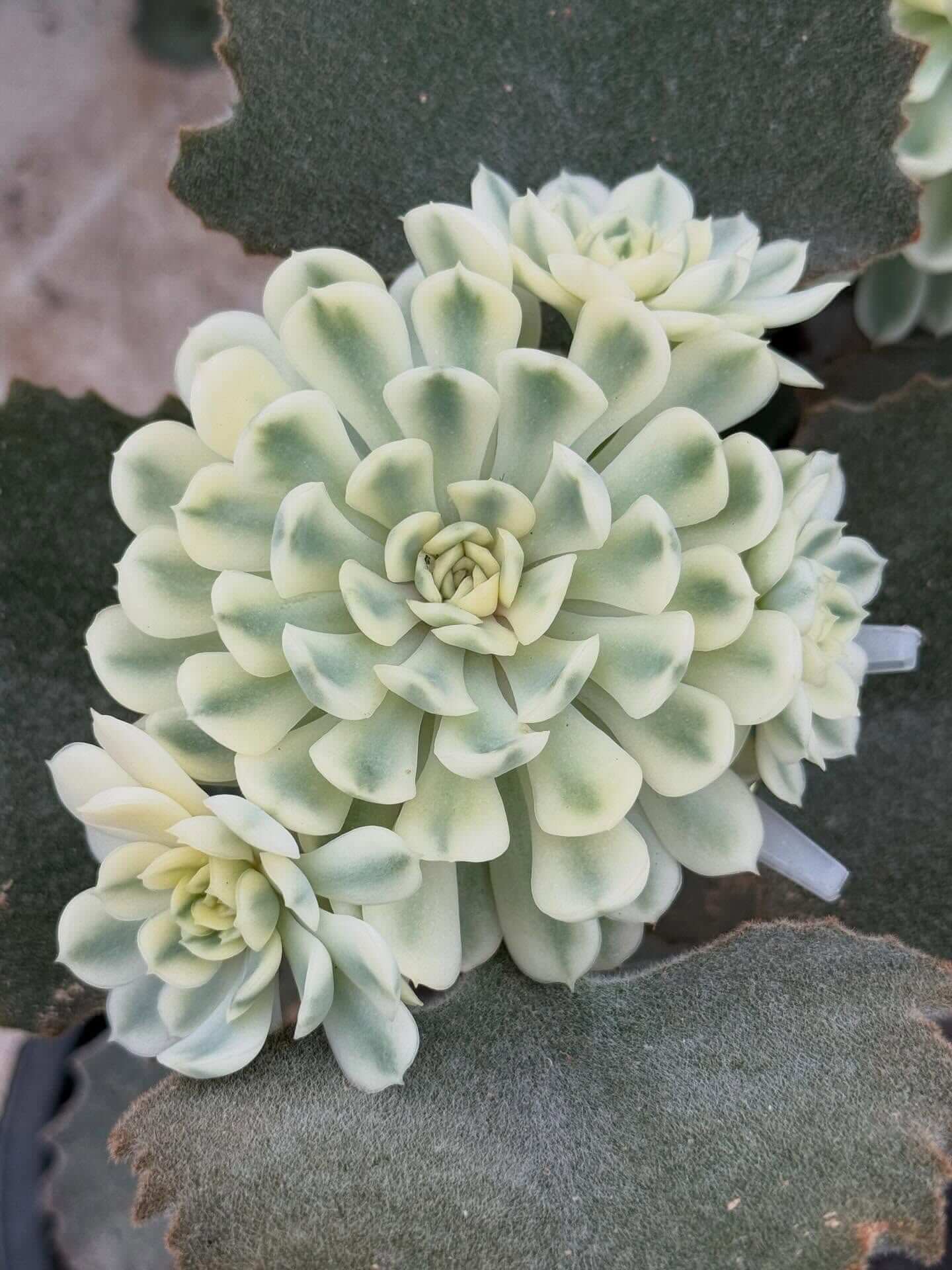
The first step is brighter light. Fertiliser works best after the plant is in the right position.
How to Fix a Leggy Succulent
Once a succulent has stretched, the old stretched stem will not shrink back to its original compact shape. The aim is to stop future stretching and encourage healthier new growth.
Start by improving the growing conditions:
- Move the plant closer to bright light gradually.
- Give outdoor succulents morning sun or bright filtered light before harsh afternoon sun.
- Rotate indoor pots so growth does not lean to one side.
- Reduce watering if the plant is in low light.
- Stop heavy fertilising, especially with high-nitrogen products.
- Feed lightly during active growth with a low-nitrogen succulent fertiliser.
Should You Cut Back a Leggy Succulent?
If the succulent is very stretched, pruning or propagation is often the best way to restore a better shape.
For many succulents, you can cut the top section, allow the cut end to dry and callus, then replant it into a free-draining succulent mix. The old base may also produce new shoots if it is healthy.
This is especially useful for rosette succulents like echeveria, graptopetalum and sedum, where the top of the plant still looks healthy but the lower stem has become long and bare.
What to Do After Pruning or Propagating
After cutting or propagating a succulent, do not rush the feeding. Let the plant settle, keep it in bright indirect light, and avoid keeping the mix wet.
Once new roots or new growth appear, you can return to light feeding with CompleteGrow Cactus & Succulent Plant Food during the active growing season.
- Use free-draining cactus and succulent mix.
- Let cuttings callus before planting.
- Keep new cuttings in bright indirect light.
- Water lightly once roots begin to form.
- Feed only after the plant has started growing again.
Best Fertiliser Routine for Leggy Succulents
The best fertiliser routine for leggy succulents is simple: fix the light first, then feed lightly with the right fertiliser.
CompleteGrow Cactus & Succulent Plant Food can be used in two simple ways:
- Every watering: use half a cap per 10 litres of water.
- Once or twice monthly: use one full cap per 10 litres of water.
Do not feed heavily in winter or when the plant is sitting in low light. If the plant is not actively growing, it does not need to be pushed with fertiliser.
CompleteGrow Recommendation
Leggy succulents are usually a light problem first, but nutrition still matters. Once the plant is in a brighter position, use a fertiliser that matches succulent growth.
CompleteGrow Cactus & Succulent Plant Food Fertiliser Concentrate uses a low-nitrogen 2-7-7 formula with higher phosphorus and potassium to support compact growth, healthy roots, flowering and stronger structure.
It is made for cactus, succulents, jade, aloe, echeveria, haworthia, crassula, sedum and other dry-climate potted plants that need controlled feeding rather than heavy all-purpose fertiliser.
FAQs: Why Succulents Grow Leggy
Why is my succulent growing tall and thin?
Your succulent is most likely not receiving enough light. It is stretching toward the brightest available light source, which causes long stems and wider gaps between leaves.
Can too much fertiliser make succulents leggy?
Too much fertiliser, especially too much nitrogen, can make soft stretched growth worse. Low light is usually the main cause, but high nitrogen can push weak growth when the plant is already struggling.
Can a leggy succulent go back to normal?
The stretched section will not shrink back. Better light will improve future growth, but very stretched plants may need pruning or propagation to restore a compact shape.
Should I fertilise a leggy succulent?
Do not use fertiliser as the main fix. First improve light and watering. Once the plant is stable and actively growing, feed lightly with a low nitrogen succulent fertiliser.
What fertiliser is best for leggy succulents?
A low-nitrogen cactus and succulent fertiliser is best. CompleteGrow uses a 2-7-7 NPK ratio to support compact growth, roots, flowering and plant strength without pushing soft excessive growth.
Do indoor succulents get leggy more easily?
Yes. Indoor succulents often receive less light than they need, especially if they are far from a window. A brighter window or grow light can help prevent stretching.
Should I cut the top off a leggy succulent?
If the plant is very stretched, cutting and propagating the healthy top can restore a better shape. Let the cutting callus before planting it in free-draining succulent mix.
How do I prevent succulents from growing leggy again?
Give brighter light, rotate pots, avoid overwatering, reduce feeding in low light, and use a low-nitrogen fertiliser during active growth.
More Cactus and Succulent Guides
Keep building a better succulent care routine with these related guides.
Support future growth with better light and a low-nitrogen succulent fertiliser.
Fix the light. Feed for compact growth.
CompleteGrow Cactus & Succulent Plant Food is a low-nitrogen 2-7-7 fertiliser made for cactus, succulents, jade and aloe. Use it during active growth to support compact shape, strong roots, flowering and healthier structure.
Shop Cactus & Succulent Fertiliser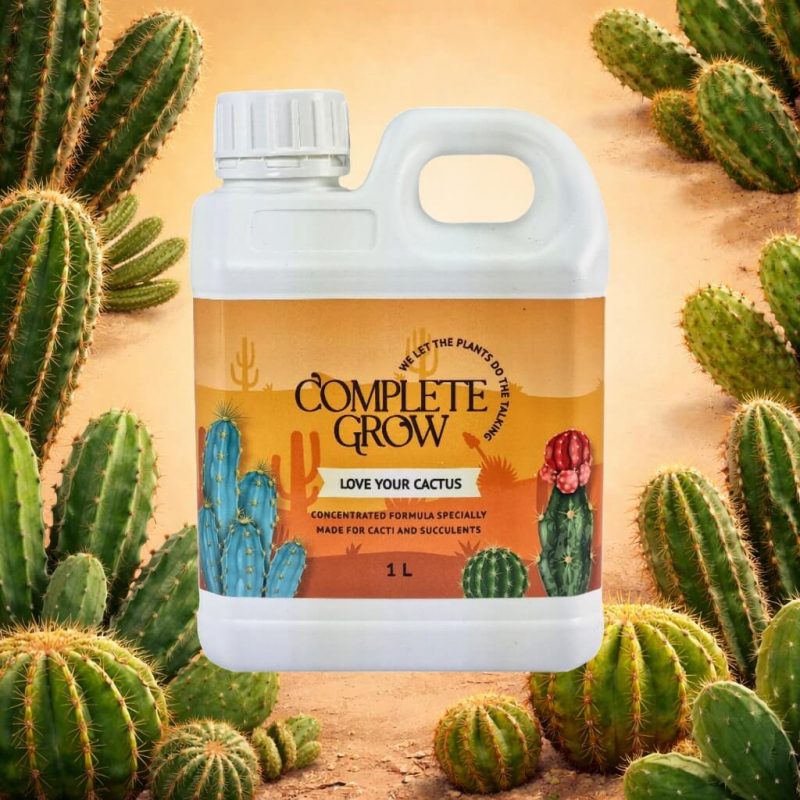


- Quick View
- Select options This product has multiple variants. The options may be chosen on the product page